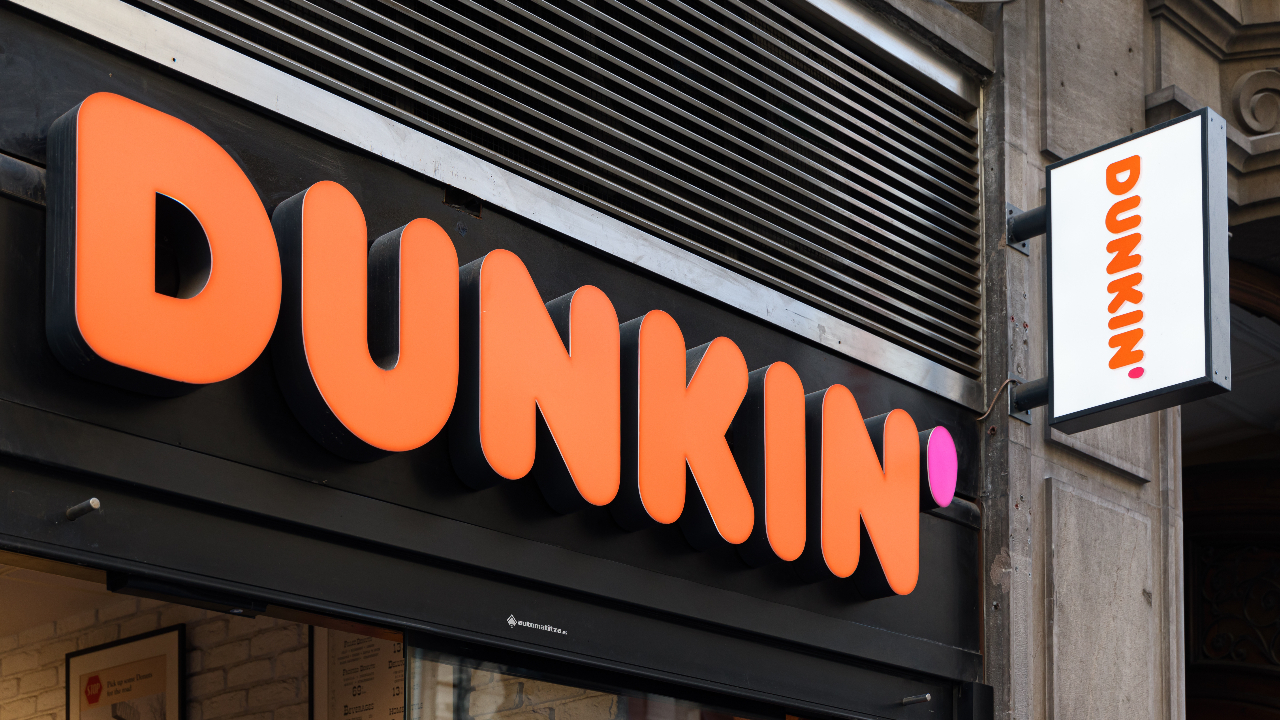
A battle for your daily coffee run is brewing in Canada.
U.S. café chain Dunkin’ is headed north of the border again with plans to blanket the country Tim Hortons has dominated for decades.
The rivalry will be fuelled this time by a master franchising agreement Canadian restaurant operator Foodtastic signed with Dunkin’ owner Inspire Brands.
The deal will see Foodtastic, which also runs Second Cup, Milestones and Freshii restaurants in Canada, partner with franchisees to open hundreds of Dunkin locations across the country.
In an email statement to OBJ this week about the possibility of locations in Ottawa, Peter Mammas, the founder and chief executive of Foodtastic, said, “No locations have been selected yet. Foodtastic is evaluating opportunities across Canada as part of its national rollout plan for Dunkin’. Although specific cities, provinces, and timelines have not been announced, the company is assessing markets nationwide based on real estate availability, local demand, franchise partner interest, and operational readiness. We recognize the strong local interest and will share updates on the first Canadian location and future rollout as development progresses.”
The first few Canadian locations will open around December or January, likely in Quebec or Ontario, but within 12 months the company hopes to be launching one per week and be on track for expansion in the Maritimes, said Mammas in an interview with The Canadian Press on Tuesday.
It was his daughter, away for university in Boston, who put the brand on his radar.
“I went through the whole gamut of products from the hot coffees to the espresso-based to the refreshers to the cold brews,” Mammas said.
“I tried their breakfast sandwiches and I kind of find that they’re a step above what’s being offered here in that category in Canada, so I thought it’d be a good move to bring Dunkin’ back.”
Mammas wouldn’t say what Foodtastic paid for Dunkin’s Canadian franchise rights, but he considers it an evolution of his company’s relationship with Inspire Brands, which is behind Sonic, Arby’s and Baskin Robbins. Foodtastic used another master franchise agreement with Inspire to bring sandwich shop Jimmy John’s to Canada in 2024.
While Jimmy John’s had a sizable following in the U.S., Dunkin’ is an even more prolific brand south of the border.
It was founded in 1950 and now has 14,200 restaurants selling coffee, doughnuts and breakfast sandwiches — menu items that put it squarely in Tim Hortons territory.
The chains duked it out before, when Dunkin’ had hundreds of Canadian locations, but the brand departed in 2018, after Quebec franchisees successfully sued the company for not sufficiently promoting the brand.
Mammas thinks this time will be different because Foodtastic is involved and has experience running dozens of chains, spanning both the quick-serve and full-service restaurants.
Foodtastic opens about 105 restaurants every year under banners as diverse as Pita Pit, Fionn MacCool’s and Noodlebox. Dunkin’ will accelerate that, taking Foodtastic to roughly 150 openings per year, Mammas said.
David Pullara, a business consultant and marketing instructor at York University’s Schulich School of Business, said the timing of Foodtastic’s Dunkin’ deal is interesting for several reasons.
For starters, it’s arriving during a period when Tim Hortons isn’t showing signs of weakness. In fact, last week it reported its 20th consecutive quarter of positive comparable sales and has seen growth from newer menu items like flatbread pizzas, carbonated fruit beverages and scrambled egg boxes and doughnuts it collaborated with actor Ryan Reynolds on.
Mammas isn’t intimidated. He feels Tims has “lost their identity” by moving too far away from its core products and not captivating younger customers like Dunkin’ has through buzzy partnerships with Ben Affleck and Sabrina Carpenter.
Pullara points out Canadians are also supporting local brands in hopes of countering some of the negative impacts of the ongoing tariff dispute.
“I’ve never seen a stronger buy Canadian effort in Canada ever in my lifetime and Dunkin’ is quintessentially American,” Pullara said.
Mammas, however, argues Foodtastic is Canadian and said it’s not like Tim Hortons is a purely domestic business anymore.
Private equity firms based outside Canada hold significant shares in Tim Hortons’ parent company Restaurant Brands International, but the chain originated in Canada and RBI trades on the Toronto Stock Exchange, so Tims still garners support from the buy Canadian movement.
That hasn’t stopped other brands from edging into its home market. European giant Pret a Manger came to Canada in recent years through an agreement with A&W, Columbus Cafe & Co. has taken over some Starbucks spots at Indigo Books & Music stores and Japanese brand % Arabica is slowly cropping up in the country.
“We’re a pretty saturated coffee market,” Pullara said. “It’s not like we’re in need of another coffee place.”
He thinks Dunkin’ will try to target the same “blue collar, average Joe” customer base Tim Hortons has with a menu full of similar-priced café staples.
Winning will take lots of locations and a big advertising budget that tells Canadians that Dunkin’ is back and convinces them to give the banner another try, he said.
This report by The Canadian Press was first published May 12, 2026.