Defsec Technologies said Thursday it has agreed to sell 673,006 common shares at a price of $3.74 a share to a select group of investors in a registered direct offering.
Already a Subscriber? Log in
Get Instant Access to This Article
Become an Ottawa Business Journal Insider and get immediate access to all of our Insider-only content and much more.
A Kanata-based defence and security company that provides software, anti-riot equipment and other technology to police services and the Department of National Defence is raising $2.5 million in a direct share offering.
Defsec Technologies said Thursday it has agreed to sell 673,006 common shares at a price of $3.74 a share to a select group of investors in a registered direct offering.
The company also announced it will issue unregistered warrants to purchase up to 673,006 common shares at an exercise price of $4.39 per share in a concurrent private placement. The warrants will expire five years after they are issued, which is expected to happen Friday.
Defsec says it expects proceeds from the offering to be about $2.5 million after fees and other expenses are deducted. The company said it intends to use the proceeds from the offering for working capital and general corporate purposes.
Defsec trades on the Nasdaq in the U.S. and the TSX Venture Exchange in Canada. The company, which was founded in 2017 and went public three years later, rebranded from its original name of Kwesst Micro Systems a year ago.
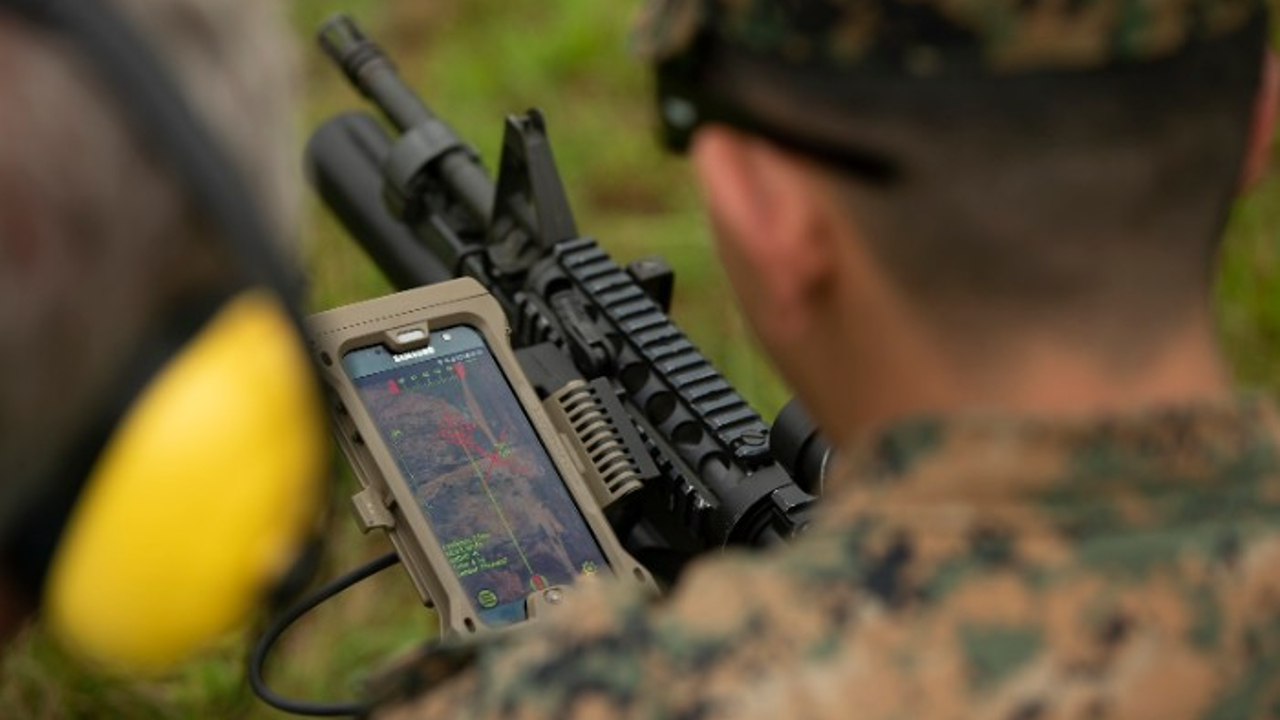
The firm specializes in three main product lines: systems that feed real-time information to soldiers in the field; measures that counteract deadly lasers and other space-age weaponry; and equipment such as high-tech anti-riot munitions designed to subdue aggressive protesters and other belligerents.
The company’s advisers include retired Gen. Rick Hillier, who served as chief of the Canadian defence staff from 2005-08. Hillier now serves on Defsec’s board of directors and chairs the firm’s strategic planning committee.
The U.S. Army uses the company’s proprietary battlefield laser-detection technology, dubbed Battlespace Laser Identification Sensor System or BLISS, at its Yuma Test Center in southwestern Arizona.
The system features miniature sensors that can be mounted on vehicles or worn on soldiers’ uniforms to alert operators to laser activity in the battlefield and help identify the source, intent and affiliation of detected emissions.
Before securing that deal, Defsec landed a five-year, multimillion-dollar contract in the spring of 2023 to perform software engineering services for DND. The firm also provides specialized software services to the Canadian Army through a subcontract with defence giant Thales Canada.
Defsec reported revenues of $2.1 million for the quarter ending March 31, up from $1.3 million a year earlier. The firm posted a net loss of $2 million, or $1.01 per share, compared with a loss of $1.5 million, or $6.16 per share, in the same period in 2025.
Over the past 12 months, the company’s stock price has plummeted 80 per cent from a high of almost $17 to around $3 as Defsec has issued hundreds of thousands of new shares to fund its operations.