Pokémon card craze has settled into a slow simmer, Ottawa vendors say

0

Getting rich fast is likely not in the cards for today’s Pokémon aficionados. Ottawa vendors of the much-hyped trading cards say supply is outstripping demand and prices have levelled off from what they were even just months ago.

“A couple months ago, it was a lot worse than what it is now, especially around Christmas time,” observes Jonathan Weir, a sales associate at Toys on Fire in Barrhaven. “There were – especially in Wal-Mart parking lots – adults having full-on fist fights over Pokémon cards. There were stores that stopped carrying them and there were a lot of people scalping the prices on Kijiji and secondary sources.”

Hype around the cards, which fluctuate in popularity, began around two years ago when popular social media influencers such as Logan Paul began buying up boxes of cards and intensifying the craze. Paul even became the holder of a Guinness world record for purchasing a PSA Grade 10 Pikachu Illustrator card for a purported $5,275,000.

“For (Paul), as one of those influencers, good or bad media doesn’t matter,” Weir explains. “It’s all good to him. If he spends a crazy number – even if the card isn’t worth it – people are still going to be talking about him and how he spent ‘this much money’, which naturally drives up the prices even if it wasn’t his intention.”

Unfortunately, expecting a return of that magnitude on cards that may be collecting dust in an attic is unrealistic. Weir says that, while the craze was intense last Christmas, stores are starting to get stock, meaning supply is starting to outstrip demand, even though supply chain issues are affecting availability.

However, Weir says there should be new Pokémon video games coming around Christmas 2022, which could drive up prices once again. And while prices for more common cards have stabilized, rarer cards continue to have higher worth. 

“There has been a small decrease in the price of more common rare cards, but there are cards like the Charizard card – any Charizard card – that have been slowly going up (in price).”

With people trying to capitalize on the overall rise in card prices, the market has become oversaturated, he adds. 

“Everyone wants to sell their cards, but it’s a lot more difficult because everyone wants to sell and not as many people are trying to buy,” Weir says.

John Koh, sales associate at Game Breakers on Baseline Road, says that while prices for cards have been stabilizing, the game is as popular as ever.

The Pokémon card craze “reached its peak around a year ago and it’s been kind of levelling out more and more as time passes,” Koh says. “It’s still very popular – out of all the games we sell, it’s probably the most popular.”

Koh says that since the start of the year, demand for even rare cards like the Charizard has tempered.

“It’s still the most popular Pokémon and it’s still generally one of the most valuable cards. In the latest Brilliant Stars set, the most valuable cards are Charizards,” he explains. “They have maintained their prices – in some ways they’ve even gone up, but I think we’re beyond the point where people are willing to pay anything to get a nice Charizard. A lot of the other rarer cards, in general, are a lot more reasonable.”

Koh says those other rarer cards were selling from $500 to $1,000 as recently as six months ago, provided they were graded 10.

He believes that, due to the Pokémon craze that began around two years ago, getting into collecting cards is much easier. 

“People were buying so many boxes and so many packs and cracking them open, which leads to another thing – and this has stayed true through the entire (pandemic) time – the normal cards, the base rarity cards, even if they are relatively rare, are cheaper than they have ever been and more available than they have ever been,” Koh says

Roll of the dice: One Ottawa restaurateur tells the story of her gamble in Vegas

0

Why would a restaurant in Ottawa open a second location in Vegas? That is a very good question. There are so many reasons why this seems like a bad idea: new country, new corporation, new currency, new suppliers … and of course, you need the right operator. It’s a gamble, but we had a few aces up our sleeves to tilt the odds in our favour. I’ll tell you the story and maybe, just maybe, it will all make sense.

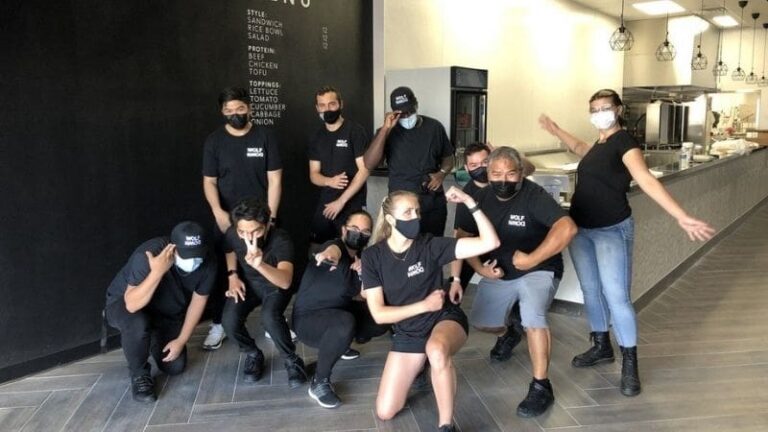
Wolf Down started in Ottawa because that’s where I live. This location has been profitable since Day 1. Easy game. Even COVID couldn’t stop us. So naturally, it was time to start thinking about location No. 2. But where? One of our investors gave me a simple piece of advice: “Go where you want to be.”

Well, if you know me, that’s an easy call. Besides being a restaurant owner, I’m also a poker player. My husband and I spend a lot of time playing in Vegas. So, when people ask why not somewhere closer to home, for us, Vegas is like a second home. Plus, three of our investors are German poker pros who also wanted to enjoy Wolf Down when in town for high-stakes tournaments and the World Series of Poker.

Joelle

Our network in Vegas also gave us a strategic advantage. We are connected to the biggest names in poker, famous DJs, influencers … In business, it’s all about who you know, and Vegas is where we have the most clout.

Plus, there’s no good döner in Vegas (trust me, I looked), so we could be the first to capture this market. There’s no real competition in our category, which admittedly is a bit of a double-edged sword since it also means few people even know what döner is, so there’s a lot of educating to do.

Most brands go to Vegas once they’ve made it. But you know that saying, “Fake it before you make it”? Well, that was pretty much my strategy. Why not reverse engineer this shit? When people hear we have a location in Vegas, they immediately assume we’re a big deal. Instant cred.

Finally, with locations on the East Coast in Canada and the West Coast in the U.S., we could attack our North American expansion from both sides. It would be more work now, but we’d be poised for rapid growth going forward. So you see, this plan that may seem irrational at first, was in fact very much calculated.

Years ago, I met Lisa, a real estate agent, owner of Sin City Cupcakes, and ex-Miss Nevada. I told her it would be fun to open a Wolf Down in Vegas. I wasn’t really serious, but not not serious either. She loved the idea and introduced me to her partner Cathey in commercial real estate. Can’t hurt to look, right? The first spot she showed me was in Chinatown, of all places. It’s similar to our Ottawa space, narrow with high ceilings, and felt familiar. It’s close to the Strip, in a popular plaza next to hot spots like Golden Tiki, Partage (French), Mas Por Favor (Mexican) and Shokku (Japanese). It was a quirky melting pot. I loved it. I asked my local friends, who confirmed this was a sick location.
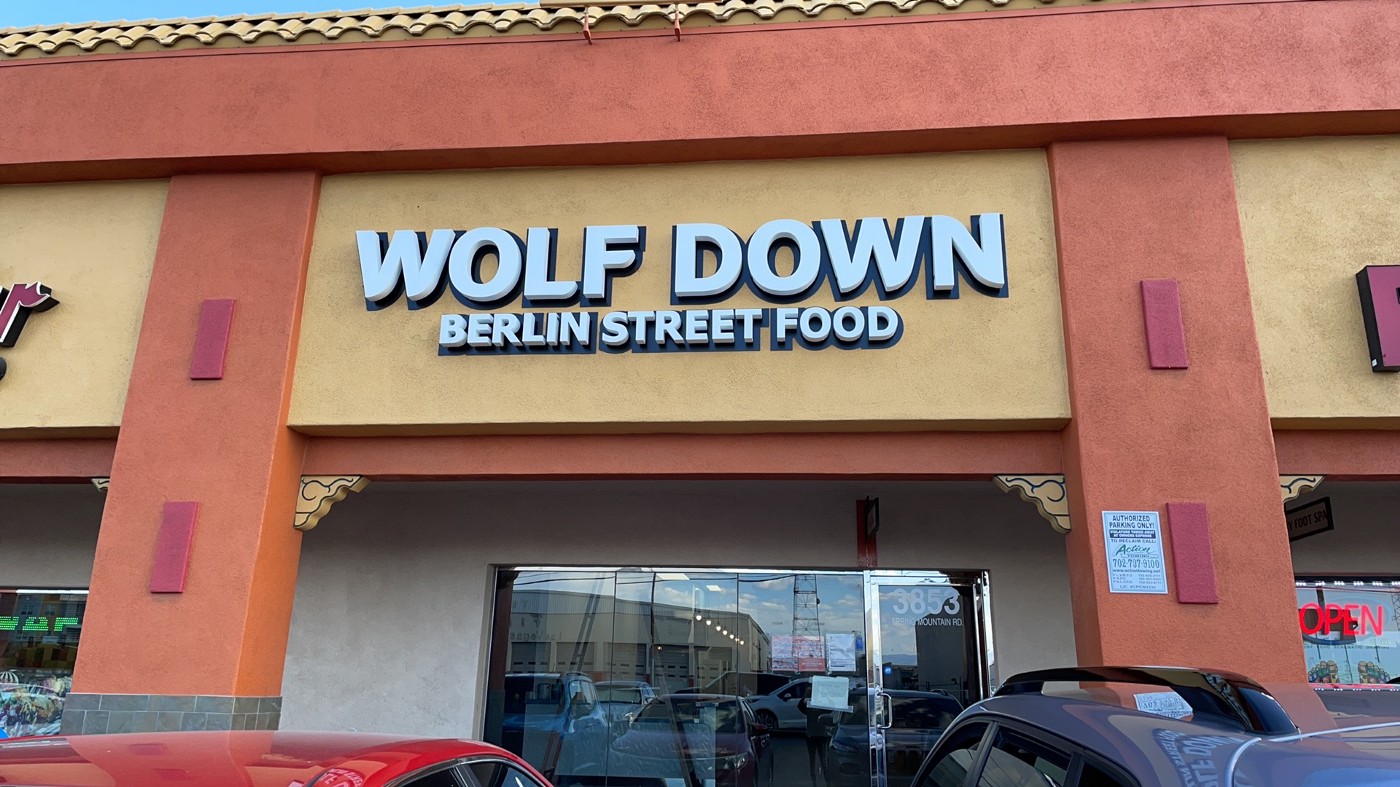
Wolf Down storefront

I was excited, but I’d never try this without a strong local operator. That would just be dumb. Cathey introduced me to friends of hers who are well connected in the local food scene. I met with them and they shared their background and how they’d recently stepped out on their own to open this really cool spot I’d heard about. Their experience was impressive. I told them all about Wolf Down and asked if they might know an operator. “Yeah, us.”

I didn’t see that coming. They loved our concept, and it turns out they’d been looking to team up with another cool brand. One of them was an ops guy, the other a food guy. It was perfect. I couldn’t believe my luck. All the cards had just fallen into place. I thought I’d stacked the deck. But it was a house of cards. And it all came crashing down: COVID pandemic, late-night robbery, partner goes MIA, supply-chain issues … suddenly Vegas was not so fun.

I was just about to sign the lease when COVID hit. Given all the uncertainty, we paused and waited to see how things played out. Due to lockdowns and travel restrictions, Vegas was temporarily transformed into a ghost town. It was eerie to say the least. But there was a light at the end of the tunnel. With infection rates dropping and vaccines promised, optimism was renewed. I could sense the pent-up demand. I knew Vegas would bounce back hard.

We figured if we timed it right, we could start building now, and as soon as COVID ends, we’d hit the ground running. We were so naive. I mean, I was partly right. Thanks to COVID, rents were low and we locked in a sub-market lease. So there’s that. And Vegas did rebound hard. Initially. 

I was there when things started to open back up for the first time. I’ve never seen Vegas so busy. Casinos posted record-breaking months. It was crazy. But it didn’t last. It’s been a rollercoaster with restrictions and masks coming off and back on, again and again. But we were committed now.

We got off to a good start. I had great communication with my partners and we had a solid plan. They even surprised me by getting us featured in Eater! I just opened the newsletter one day, saw our name, and was like ‘WTF’? I never thought I’d see my name on Eater, so that was pretty sick.

We found our GC and began construction. This is mid-COVID, though, when getting supplies and equipment was nearly impossible. Fridges were sold out, nice tables and chairs were hard to find, and our vertical grills got stuck at customs for five weeks! It was slow and painful, but finally we had everything … until we got robbed.

I get a call late one night: all the equipment is gone. They had to have had a flatbed truck and our lockbox code. This narrows down the pool of suspects. After a little investigating, we found out it was the equipment delivery guy. He had the code since our partner gave it to him and didn’t change it after (seriously, guys?) and, of course, he had access to the flatbed. The supplier apologized, saying the guy was a recovering meth addict, and agreed to file a claim through their insurance. To file a claim, you need a police report, and the cops wanted the building’s security camera footage. Landlords apparently don’t like sharing this in case it shows “other funny business”. Long story short, we were never able to file the claim. We had to find and buy everything twice – costing us a ton of time and money.

I was referred to an artist to do a mural, which we were counting on to liven up the space. But he never showed up. So we found another guy. He also bailed. Seriously, what is going on here?

This is when things really started to get weird. My partner, the ops guy, stopped answering my messages. He just ghosted us. The other guy tried to help, but he was left in the dark also. To make matters worse, due to travel restrictions at the time, I couldn’t even go to the U.S. myself. I felt so helpless.

Eventually, the chef guy tells me that since the ops guy is gone, he teamed up with another local brand and suggests we all join forces. Since they are well established, they have a strong ops team with lots of resources. Sounds like a great solution. Finally I’m able to get to Vegas, so I meet the owner and we agree to work together. I was so relieved to have found a new operator and spent the next few weeks in Vegas debriefing them on Wolf Down. But the day I had to head back home, he calls me. He just reviewed our partnership agreement (not until now?) and actually, he doesn’t think this makes sense for them. I just wasted all my time in Vegas building this relationship for nothing. Back to square one. Again.

I was pretty stressed out. This wasn’t what I signed up for. But it doesn’t matter – it’s my responsibility. My partners were supposed to handle the build-out, licensing, staffing, suppliers, day-to-day operations, etc. They had the experience opening a new business in Nevada and all the local food connections. Since the guy just unexpectedly went MIA, I had no clue what licences we already had or still needed, what accounts had been set up, or what the hell was going on. I was left to pick up the pieces.

My first priority was finding a GM who, hopefully, could help. No easy task given the staffing shortages. After dozens of interviews, I found Kevin. He didn’t have experience as a GM, nor with opening a new location, but he had a lot of heart and I just believed in him. He was my best bet. Together, we tackled things one by one. It was painful, but we made progress.

Finally, we were almost there. All that was left was our Health Department inspection to give us the green light. Generally, this is quick. But this is COVID times and we couldn’t schedule our damn inspection. More weeks down the drain. There are so many more things that went wrong, but you get the point.

We were supposed to open in February 2021. We actually opened in late August 2021 – more than six months behind schedule. I was mentally drained from the experience and we’d burned through all our free rent and cash reserves. But we did it! We were open.

In Ottawa, we were slammed from Day 1. Vegas is a different beast. Without my partner’s local network and media connections, we struggled to get the word out. Most of our friends weren’t in Vegas due to COVID. Many local influencers came out, but it didn’t seem to help much. I also have to admit I underestimated the competition in Vegas – there are so many great spots, it’s really hard to break through all the noise.

online review

It’s been over half a year now and it’s been rough. While the reviews are awesome, the numbers are awful. We have the best fans who share the sweetest messages and social media posts. One day at True Food, a waitress who overheard me mention Wolf Down stopped just to tell us how much she loved it. It’s the little things like this that make me smile. But then I get the financial statements and that smile is wiped right off my face.

We tried everything we could to get the word out: influencers, flyers, samples, contests, radio spots … we even added döner fries just for the Vegas market (I’ve learned Americans must have their fries). Then we tried to get a beer licence – since it’s Vegas after all. I’ve never seen a more complicated application in my life. It took weeks to gather everything. When we finally met with the city clerk, we painstakingly went through each page until, at the very last section, she asks for my social security number. I explain that I’m Canadian and don’t have a social security number, which is why Kevin filled this out – this is what we’d had to do to get our business licence. She looks at me flatly: “You can’t get a beer licence. All owners must be American or have a visa.” WTF?

My friend Mathias who owns Berlin’s döner in L.A. came down to help us out. I also asked some of the most respected restaurateurs in Vegas for advice. I met James Trees (the rock star behind Al Solito Posto & Esther’s Kitchen), who brought his whole team to Wolf Down to support. And Colin Fukunaga (the legendary FukuBurger guy), who shared the love with a post about us. Mercy, Mo, Sunny and so many others have shown such incredible kindness. They all pretty much said the same thing: the product is amazing, we just need to get people in … and that’s the problem – the volume just isn’t there.

P.S. This is why I love Vegas and this crazy industry. The best damn people. I came in new and naive, and they welcomed me with open arms. Thank you, guys.

I’m not gonna sugar-coat it. We are bleeding money. I refuse to let this tank our Ottawa location, so I personally loaned additional funds. We burned through that. So my husband loaned more. We burned through that. We made one last wire, but we can’t keep chasing our losses. Gambling 101.

This experience has taken a heavy toll on me. It’s hard not to beat myself up. I try to remind myself that, like poker, business is a game of incomplete information: what matters is that you made the right decision based on the information you had at the time. But still, it’s hard not to think of what could have been if it weren’t for COVID. If our partners hadn’t screwed us. If I’d picked a different location. Wrong place at the wrong time? Was it bad luck or do I just suck?

Ultimately, it’s on me. I believed in this so much, I bet all I had on it. But, like in Texas hold ’em, you gotta know when to fold ’em. We gave it our best shot, but it wasn’t enough, and I’ve had to make the tough call to shut down. To my amazing team and all of our incredible fans in Vegas, I am so sorry. It’s both humbling and humiliating. The worst part is letting all of you down. I’ve learned. I’ve grown. And I’ve cried a lot.

Maybe one day, armed with what I know now, I’ll try again in Vegas. But for now, I wanted to make sure I gave you a heads-up that our last day will be April 14 – in case you wanted to wolf down one last döner before then.

Bright Side of Business: QuakeLab’s rigorous approach takes diversity and inclusion beyond the pizza party

0

Sharon Nyangweso grew up in a family of entrepreneurs, so it’s no surprise that she’s now a business owner herself. It would be surprising to learn, though, that before founding her inclusion agency QuakeLab, Nyangweso shied away from entrepreneurship altogether.  

“For me, going into the world of work from the beginning, I was like, ‘I want a nice job with nice pay that comes every two weeks,’” she says. 

But fate had other ideas. By 2019, Nyangweso had officially incorporated QuakeLab. 

Long before it was a business, QuakeLab was Nyangweso’s way of taking a structured, strategic approach to diversity, equity and inclusion (DEI). The idea came to her after seeing DEI work rooted in the idea that solving inequality meant focusing on the individual behaviours of people in an organization.

“That just always felt wrong to me,” she says.

Nyangweso explains that an organization cannot solve structural problems with behavioral solutions such as anti-racism training or lunch parties where people bring cultural foods. Instead, she says, organizations have to be specific about their issues and take concrete action – for example, figuring out if there’s a pay gap between people of colour and white employees. 

Rigorous audit

“You can’t pizza-party that away,” she says.

When QuakeLab works with a client, Nyangweso and her team first do a rigorous audit of all of a company’s policies and documents across finance, communications, accounting, HR and more. The process takes anywhere from three to six months. 

From there, QuakeLab sends out a survey with two different kinds of questions: one set focuses on demographic data and the other focuses on equity patterns such as employee pay, whether an individual has a visible or invisible disability, and how much parental leave they take.

“We’re able to cross-reference questions with the demographics, so that we start seeing what significant patterns of inequity are beginning to emerge,” Nyangweso says. 

QuakeLab’s client list now includes community health centres across Ottawa, the City of Ottawa, Amnesty International and the Red Cross. Recently, her agency worked with the City of Toronto to lead the community consultation process for renaming Dundas Street. It also worked with the Western Quebec School Board to collect information from select schools, exploring if there were any patterns emerging based on identity – for example, if Black and Indigenous children get disciplined more than other kids.

“I’d say that was probably one of the most meaningful pieces of work that I’ve done in my career,” Nyangweso says. 

It’s the kind of work that got Nyangweso recognized as one of The Globe and Mail’s 50 Changemakers, celebrating business leaders who are tackling some of the world’s biggest problems.

Another way QuakeLab creates a positive impact is by redistributing a portion of its profits to various communities. Nyangweso explains that this isn’t corporate social responsibility or donations – the agency doesn’t require a tax receipt. Instead, it directly supports grassroots organizations like land and water defenders. 

“We don’t think of this as giving back to the community,” Nyangweso says. “We think about it as our responsibility to a community that is supporting us.” 

The Bright Side of Business is an editorial feature focused on sharing positive stories of business success.

This column is presented by Star Motors, Ottawa’s original Mercedes-Benz, Mercedes-AMG and Mercedes Van dealer.

Since 1957, Star Motors has provided its customers with the Mercedes-Benz “The Best or Nothing” standard in vehicle selection, service, genuine parts and certified collision repair.

For your convenience, you may shop, research, chat and compare vehicles online at starmotors.ca, visit the 400 West Hunt Club location or call (613) 737-7827 for the very best in personal service.

Book it: Hintonburg store owner sees travel guide sales spike as COVID restrictions ease

0

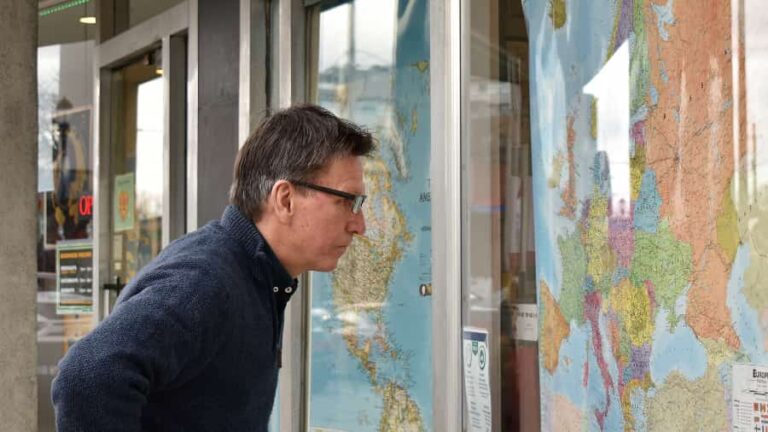
The way Brad Green sees it, the maps at his Hintonburg store are pointing the way to a travel resurgence.

When the pandemic struck roughly two years ago, Green’s shop, World of Maps on Wellington Street West, was forced to close its doors to customers. 

Fortunately, this did not completely shut down the business. Green had already transitioned some of his sales online and so was able to continue working through the lockdowns.

“We’ve had an online presence for many years – years before the pandemic – so the website is an important place to reach our customers that are all over the world,” he said.

Still, Green had to shift the types of merchandise he was selling.

“Of course, COVID meant no customers were travelling internationally,” he explained. “We had to completely redo the products that we offered in-store because no one was going to Mexico, or anywhere.”

Green says that while sales of travel books shrank, other fiction and non-fiction titles increased in popularity.

Foot traffic up 

“The bookstore became more of a general independent bookstore, which we are and remain,” he said. “This has become an important part. We’re like a neighbourhood bookstore – we have access to six million books in print. So not just maps, but puzzles and flags and different products.”

Travel within the province did not stop, Green added, with people going to provincial parks and looking for items such as topographical maps, boating maps and park guides.

Now that restrictions aimed at reducing the spread of COVID-19 have loosened, tourism is starting to take off. Green’s store has seen an increase in foot traffic, with customers planning trips to other parts of Canada and abroad.

“The books that no one was buying during the COVID lockdowns, well, today we’re selling guides to the south of France and to Ireland, Scotland and Portugal,” he said. 

Karen Taafe, manager product development, travel at CAA North and East Ontario, tells the same story.

“Trends we’re seeing right now include the all-inclusive (trips) down south because of the weather in Ottawa,” she said in a recent interview. “But further out than immediate March, Europe is actually really popular. We’re really a little surprised.”

Destinations being booked include France, Spain, Portugal, Italy, Ireland and Greece, she said.

Back at World of Maps, sales of flags have also been surging. Popular flags include the Canadian flag – especially since the Canadian men’s soccer team qualified for the World Cup – and the Ukrainian flag. 

“We’ve donated $2,500 to the Red Cross for the Ukraine. That came about because we’re selling these flags and then a customer said, ‘You should collect donations,’” Green said. “So we put a collection box there and so people were stuffing cash in there or paying with a credit card and we would put the cash in the box.”

One third of the $2,500 collected was from customers and the rest came from the store itself.

Book it: Hintonburg store owner sees travel guide sales spike as COVID restrictions ease

0

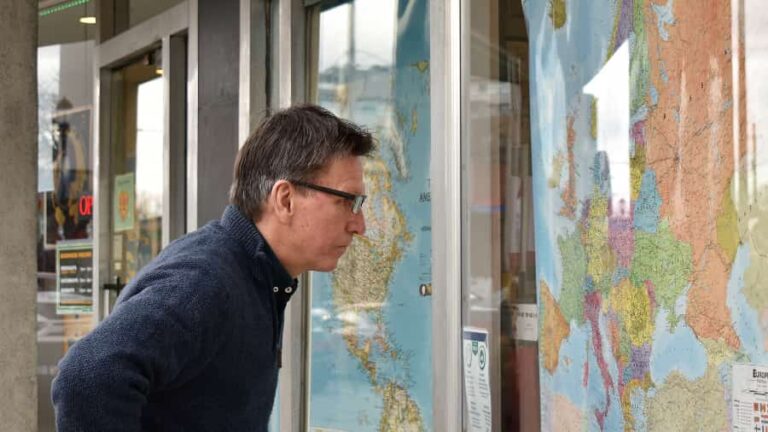
The way Brad Green sees it, the maps at his Hintonburg store are pointing the way to a travel resurgence.

When the pandemic struck roughly two years ago, Green’s shop, World of Maps on Wellington Street West, was forced to close its doors to customers. 

Fortunately, this did not completely shut down the business. Green had already transitioned some of his sales online and so was able to continue working through the lockdowns.

“We’ve had an online presence for many years – years before the pandemic – so the website is an important place to reach our customers that are all over the world,” he said.

Still, Green had to shift the types of merchandise he was selling.

“Of course, COVID meant no customers were travelling internationally,” he explained. “We had to completely redo the products that we offered in-store because no one was going to Mexico, or anywhere.”

Green says that while sales of travel books shrank, other fiction and non-fiction titles increased in popularity.

Foot traffic up 

“The bookstore became more of a general independent bookstore, which we are and remain,” he said. “This has become an important part. We’re like a neighbourhood bookstore – we have access to six million books in print. So not just maps, but puzzles and flags and different products.”

Travel within the province did not stop, Green added, with people going to provincial parks and looking for items such as topographical maps, boating maps and park guides.

Now that restrictions aimed at reducing the spread of COVID-19 have loosened, tourism is starting to take off. Green’s store has seen an increase in foot traffic, with customers planning trips to other parts of Canada and abroad.

“The books that no one was buying during the COVID lockdowns, well, today we’re selling guides to the south of France and to Ireland, Scotland and Portugal,” he said. 

Karen Taafe, manager product development, travel at CAA North and East Ontario, tells the same story.

“Trends we’re seeing right now include the all-inclusive (trips) down south because of the weather in Ottawa,” she said in a recent interview. “But further out than immediate March, Europe is actually really popular. We’re really a little surprised.”

Destinations being booked include France, Spain, Portugal, Italy, Ireland and Greece, she said.

Back at World of Maps, sales of flags have also been surging. Popular flags include the Canadian flag – especially since the Canadian men’s soccer team qualified for the World Cup – and the Ukrainian flag. 

“We’ve donated $2,500 to the Red Cross for the Ukraine. That came about because we’re selling these flags and then a customer said, ‘You should collect donations,’” Green said. “So we put a collection box there and so people were stuffing cash in there or paying with a credit card and we would put the cash in the box.”

One third of the $2,500 collected was from customers and the rest came from the store itself.

Breaking down walls and building doors for women in the construction industry

0

Jacqueline Collier recently became the second woman to head up the Kingston Home Builders Association (KHBA) since the group’s inception in 1954. She already knows what one of her priorities will be.

“With proper safety equipment, I am not afraid to shout from the rooftop that women are welcome, wanted and needed in construction,” said Collier, sales and marketing manager for Tamarack Homes in Kingston. “It’s a message I will be sending loud and clear throughout my tenure as KHBA president.”

Christine Hollywood was the first woman president of the KHBA, holding the position from 2019 to 2020. 

Collier has spent around 20 years in the construction industry.

“The reason it’s so meaningful to me is that it represents that we – the collective we – are heading in the right direction, “ she said. “I want future generations of women to hold these positions normally, equally, and without the need to be the first or second in these important roles.”

Now that she has walked through “this door”, Collier wants to reach as many people as possible with her platform. She said that she, together with other talented and welcoming women in the industry, are opening doors for themselves and their peers.

“They are framing and installing the doors, as well,” Collier said. “Women have gotten in and created change in the culture and spaces – beautiful, respectful and inclusive spaces – for all. Getting this message across is very important.”

The skilled trades industry is currently dominated by men. According to Statistics Canada, males make up about 93 per cent of the workforce in the trades in Canada and Ontario. BuildForce Canada estimates that 116,000 skilled trades workers are needed across the country to keep pace with growth in coming years. 

“We cannot continue this way and expect to meet our country’s growing need for housing,” Collier said. “It is critical we take steps towards diversifying the skilled trades.”

Chris Taggart, president of Tamarack Homes, said Collier has a natural leadership ability that makes her the ideal person for president of the KHBA. 

“She’s very passionate about the house-building business and she understands it very well,” he said, adding, “She didn’t learn from us, we’re learning from her.” 

Debi Champagne, director of sales and marketing at Tamarack, agreed.

“She’s just got a natural talent, by all means. She’s self-educated in many ventures. There’s no training that girl won’t touch and find,” she said.

Even with her skill set, Collier said she has faced many barriers on her journey to get into a position like her president’s role.

“Women experience their gender as a barrier, in and of itself, and particularly motherhood, due to the perceived inability or desirability to be as dedicated or as present as our male colleagues,” Collier explained. “This, of course, is fallacious, but nonetheless I would posit that this is a barrier which faces women in every single industry on earth.” 

Gender barriers are not the only hurdles she has faced. 

“I always feel like, maybe it shouldn’t be me,” she said. “This is something that’s a struggle for most women and it’s a really unfortunate one because we shouldn’t feel this way. But I’m forcing myself to gain extra confidence because I represent, now, the Kingston home builders.”

One of the ways Collier hopes to entice a more diverse crowd into the skilled trades comes through her role on the Skills Advance Ontario construction project advisory committee. SkillsAdvance Ontario is a pilot project intended to support workforce development in key growth sectors. 

Before employees can seek employment, they need basic training. Collier points to the Eastern Ontario Colleges Consortium. “They have created basic starter construction programs. I know they are making one specifically for women in construction.”

Collier also chairs the City of Kingston’s Housing and Homelessness advisory committee, as well as Habitat for Humanity Kingston Limestone Region. She is vice-president of the board with Big Brothers Big Sisters Kingston and with BGC Boys & Girls Club Southeast. She is co-chair of Kingston’s Kids First.

Collier said that representation of women on boards continues to increase but remains low.

“I’ve read that, globally, it is estimated that women hold approximately 12 per cent of seats worldwide, with only four per cent chairing boards,” she said. “Although it is a bit higher in Canada, there is still a critical need to continue paving these roads.”

Collier describes herself as a motivated individual.

“Once I know what I want, I go for it,” she said. “I figure out what it takes to get involved and I work hard to achieve it. I always follow up on those quick ‘passing-by’ comments of opportunities that happen at social and networking events. If there is an opportunity for me to volunteer to use my particular skill set to serve my city and to have an impact, then I am all for it.”
 

Bright Side of Business: Oat Couture Café gives back by providing a hearty meal to those in need

0

Brian Montgomery always knew he wanted to run his own café one day — what he didn’t know was that oatmeal would be his ticket to success and his contribution to the community. 

In 2018, Montgomery opened Oat Couture Café in Old Ottawa South, with a vision to elevate the humble oatmeal breakfast to a fashionable, chef-curated meal. 

“Anybody can sell oatmeal,” Montgomery says. “People do oatmeal at home, but nobody does oatmeal the way we do, (with) panache and creativity.” 

At night, the café morphs into the Montgomery Scotch Lounge, which Montgomery says is Canada’s only single malt lounge.

When the business launched, it was all hands on deck: Montgomery’s wife, Jennifer Guerrero, came on board as manager, splitting her time between those duties and her career as a palliative care nurse.

Montgomery himself works with Royal Bank as a portfolio manager and investment advisor. With an eye on the market, Montgomery noticed that oatmeal was filling shelves in supermarkets and was on menus in restaurants. 

“The big guys are doing it, like Starbucks,” he says. 

Through a mix of self-financing and loans, Montgomery fulfilled his lifelong dream of becoming a restaurateur. Oat Couture Café grew quickly, even expanding to two new locations during COVID-19. 

Hospitality is in Montgomery’s DNA: his sister and cousin are both chefs and his other cousin owns a surf camp in Central America. “There’s something in our blood that makes us want to serve people,” he says. 

However, it wasn’t a smooth pandemic journey — at one point, the business dropped from 17 employees to just three. But, throughout it all, Montgomery kept the doors open. He expanded his alcohol license to daytime sales and took over a nearby plaza during the summer to allow outdoor dining during lockdown.

Before long, the business was back up to 44 employees. “(There was) a competitive spirit that wouldn’t allow us to give up,” Montgomery says.

Far from giving up, Oat Couture Café expanded to Centretown in November 2020, doubling its original space by taking over from Pressed, a popular restaurant and live music venue that was closing its doors. Montgomery kick-started renovations, but kept the music equipment. Now, the Montgomery Scotch Lounge offers live music entertainment throughout the week. OC Breakfast Club

In April 2020, Montgomery’s team launched the Oat Couture Breakfast Club, supporting the community during COVID-19 by offering free bags of prepared oatmeal for anyone in need. These are left on a cart for anyone to take — no questions asked. 

To date, the business has given away more than 16,000 bags and plans to keep the program going beyond the pandemic. “We get incredible feedback from those,” Montgomery says. “We get letters, cards, people that have stopped in and said, ‘This really helped me during a time when I needed it.’” 

Looking ahead, Montgomery wants to grow the Oat Couture chain. The first franchise location has opened in Almonte and there will be an official franchising package ready by May. Montgomery has also launched an Oat Couture lifestyle brand. The team recently attended a show in the U.S., hosting a booth to show off their products in hopes of landing a contract. 

“I’ve got an incredibly strong team that works incredibly hard to make these things come to fruition,” Montgomery says. “There’s never a dull moment.”

The Bright Side of Business is an editorial feature focused on sharing positive stories of business success.

This column is presented by Star Motors, Ottawa’s original Mercedes-Benz, Mercedes-AMG and Mercedes Van dealer.

Since 1957, Star Motors has provided its customers with the Mercedes-Benz “The Best or Nothing” standard in vehicle selection, service, genuine parts and certified collision repair.

For your convenience, you may shop, research, chat and compare vehicles online at starmotors.ca, visit the 400 West Hunt Club location or call (613) 737-7827 for the very best in personal service.

Bright Side of Business: Trustiics has ambitious plans to connect Canadian businesses with overseas legal services

0

Lawyer Tianpeng Wang has had a lengthy career, working with multiple international firms and spending 15 years advising more than 100 clients about how to do business in China.

A qualified lawyer in both China and New York, Wang made Ottawa his permanent home in 2016. “I never thought about moving to Canada before my wife came to Ottawa for her graduate degree,” Wang says. But after a few visits, “I fell in love with the city.” 

In Ottawa, Wang became a partner at Mistral Venture Partners, helping the firm’s portfolio companies expand into Asian markets. Before long, he spotted a gap in the market. 

“I noticed that when (businesses) go to another country, like China, they have no clue how to differentiate between good and bad legal services,” he says. 

headshot

That’s what sparked the idea for Trustiics: an online platform serving small and medium-sized businesses by connecting them with overseas legal services through a pay-as-you-go model. By 2020, Wang had taken a leap, striking out on his own as the co-founder and CEO of Trustiics.

In explaining how the platform works, Wang says, “You choose a legal service by yourself based on your specific (needs) and place an order, just like how you buy stuff on Amazon.” All payments are made through the system using a credit card, with security deposits going to an escrow account at a Canadian bank. 

Trustiics’ first priority is security: the platform itself is built using Amazon Web Services in North America. Every one of the platform’s 300 lawyers have been vetted through a three-step process, starting with a referral to Trustiics from a registered lawyer.

Trustiics’ services currently cover China, Canada, the U.S. and Brazil, with its legal network expanding to a number of other countries. Currently, Trustiics has over 6,000 individual members using its platform, as well as 350 registered businesses. Its services are recommended by organizations such as the Canadian Trade Commissioner Service, the Canadian Embassy in Beijing, and the Canada China Business Council. 

One client is a Philadelphia-based e-commerce company that designs, manufactures and sells sports bikes and parts. “They tried to protect their IP in China because they manufacture their products over there,” Wang explains. However, the company had no legal service contacts in China. “They were recommended by their lawyer in the U.S. to use our platform,” Wang says — and the rest is history. 

Just as Wang launched Trustiics in 2020, the pandemic hit. “You want to run,” he says. “You get ready, you start to run — boom! — you bump into a wall.”

But, Wang adds, there’s an opportunity in every challenge. Seeing the overall shift to online services, Wang’s team became even more convinced that Trustiics’ model was spot-on, allowing people to “solve their overseas legal problems without leaving their home,” Wang says.

With an eye to the future, Trustiics is exploring using big data, blockchain, cloud security and fintech to improve its security and efficiency when serving businesses remotely.

As well as increasing its offerings in China, Canada and the U.S., Wang wants to increase Trustiics’ presence in countries like Brazil, Vietnam and Malaysia — on top of finishing another round of VC financing and hiring more people from local markets. 

“We have a very ambitious plan,” Wang says. 

The Bright Side of Business is an editorial feature focused on sharing positive stories of business success.

This column is presented by Star Motors, Ottawa’s original Mercedes-Benz, Mercedes-AMG and Mercedes Van dealer.

Since 1957, Star Motors has provided its customers with the Mercedes-Benz “The Best or Nothing” standard in vehicle selection, service, genuine parts and certified collision repair.

For your convenience, you may shop, research, chat and compare vehicles online at starmotors.ca, and visit the 400 West Hunt Club location or call (613) 737-7827 for the very best in personal service.

Bright Side of Business: Despite pandemic, Ottawa funeral home helps families celebrate the lives of loved ones

0

Ever since he was a kid, Barry McNulty was fascinated by the funeral industry. “I’ve always been a person that likes helping people,” he says.

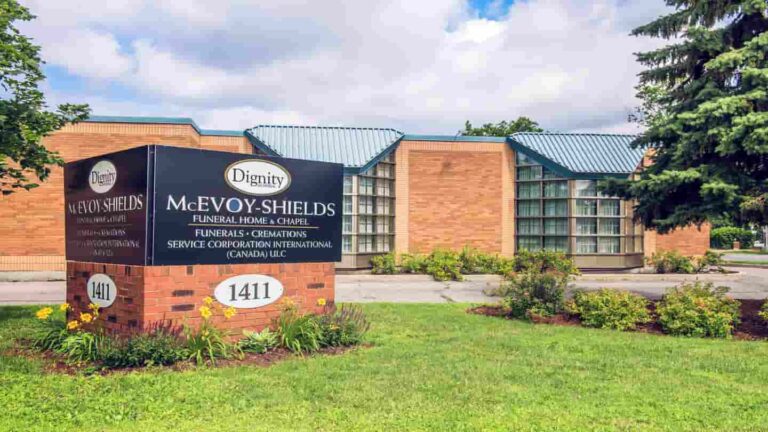
For 27 years and counting, that’s exactly what McNulty has been doing in his profession. Today, he is the location manager at McEvoy-Shields Funeral Home & Chapel on Hunt Club Road. After almost three decades, it’s safe to assume McNulty has seen a lot of things in his line of work. Then, the pandemic hit. 

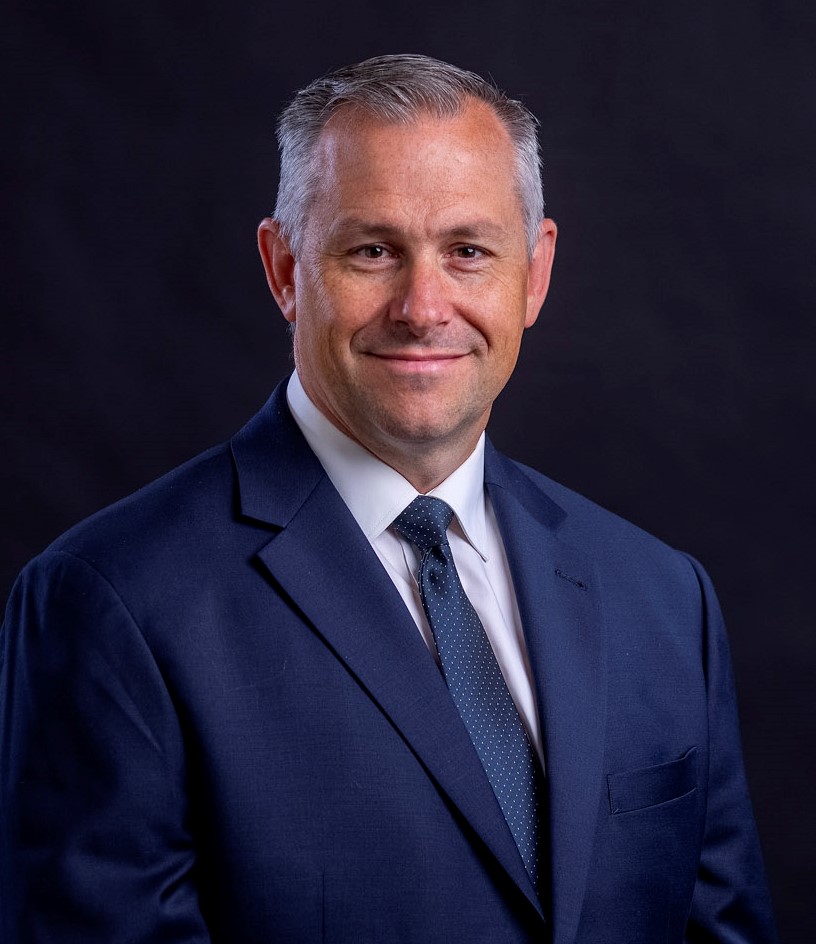
Barry McNulty

Across Ontario, several funeral homes faced staffing shortages during COVID-19. Luckily, McNulty says, McEvoy-Shields wasn’t too impacted — with a small staff and large building, social distancing was a relative breeze. 

“Other sister firms in Ottawa weren’t as lucky,” McNulty says, referring to Dignity Memorial, the network to which McEvoy-Shields belongs. Bigger funeral homes had to split up staff for safety reasons, rotating who was staying home and who was coming in at any one time.

New ways of mourning 

Still, McNulty’s team had their own fair share of challenges. “It’s a very difficult time going from having full visitations (and) funerals with no capacity limits, to being told that you could have 10 people in your building at any one time,” McNulty says.

With full funeral services on hold, families began downgrading pre-paid funerals. Some opted to have a loved one cremated — a less expensive option, as there are fewer services and products to buy. 

“(It) takes a toll on your business because people are not spending the money that they would have spent,” McNulty says. 

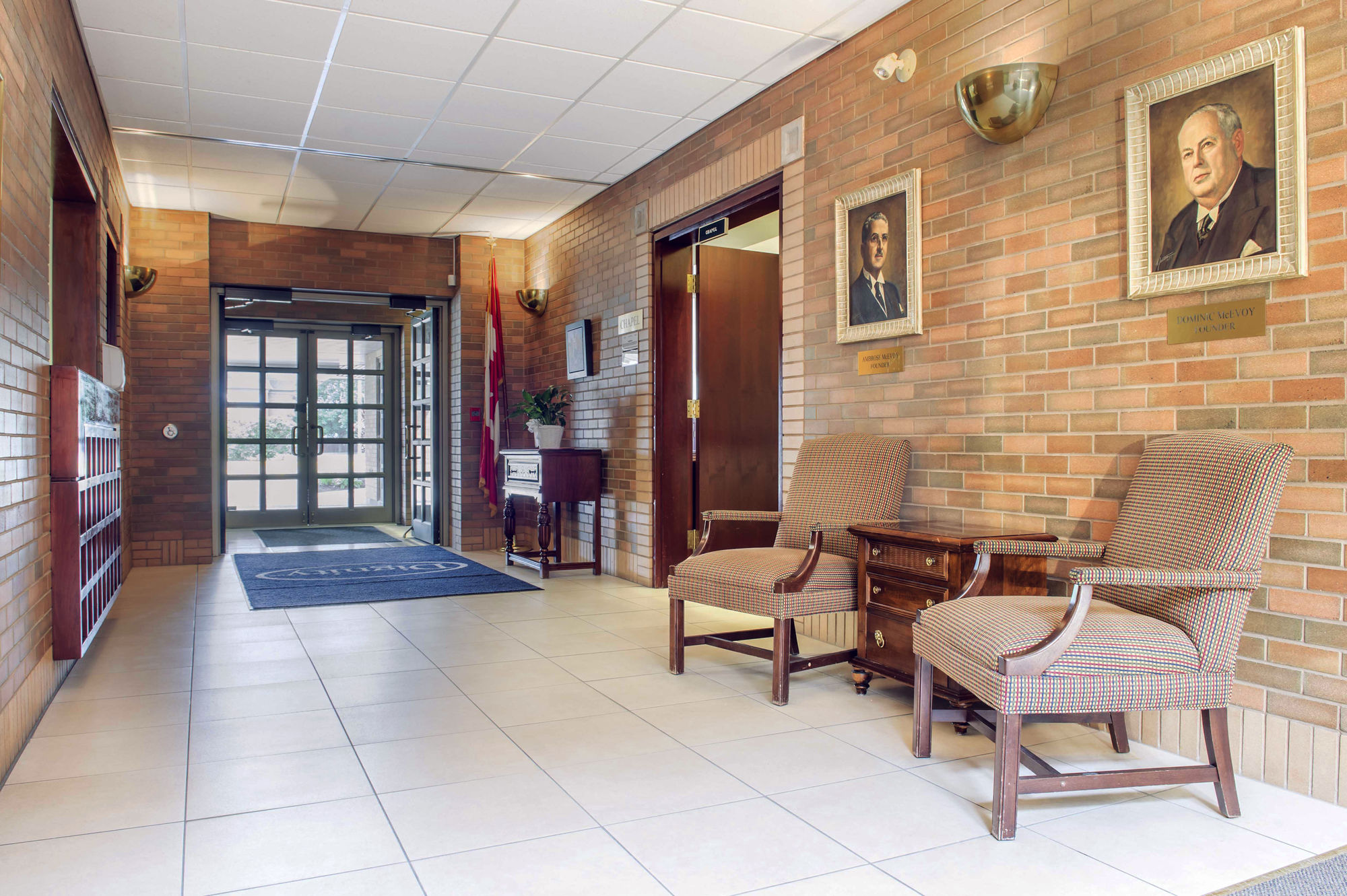
foyer

Business aside, McNulty and his team play a critical role in supporting families through one of the hardest periods of their lives — something that was made all the more challenging with pandemic restrictions. “People are not able to grieve in the traditional sense that they would have been able to grieve,” McNulty says.

Once the pandemic subsides, McNulty expects an influx of delayed services to hit the firm, mainly from families who planned to hold a celebration of life after COVID-19. “It all comes full circle, because then you’re reliving (the loss of a loved one) two years after the fact,” he says. “I think it’s very, very difficult for some families.” 

Together apart 

While the firm still runs services with limited capacity — in some cases, visitors can “cycle” in and out of the location, paying respects to the family in scheduled time slots — it also offers a streaming service, with a mobile camera set up in the chapel, church or cemetery. 

“At least this gives the family a sense that there are people that are still there with them, watching online,” McNulty says.

Dignity Memorial also has a unique “compassion helpline”, answered 24 hours a day, seven days a week by licensed therapists. “We’ve given out a ton of those cards to families throughout the pandemic,” McNulty says.

Looking to the future, McNulty feels positive. “We’re just hoping that things open up again and families will be able to reunite and have funerals as they’ve had before.”

The Bright Side of Business is an editorial feature focused on sharing positive stories of business success.

This column is presented by Star Motors, Ottawa’s original Mercedes-Benz, Mercedes-AMG and Mercedes Van dealer.

Since 1957, Star Motors has provided its customers with the Mercedes-Benz “The Best or Nothing” standard in vehicle selection, service, genuine parts and certified collision repair.

For your convenience, you may shop, research, chat and compare vehicles online at starmotors.ca, and visit the 400 West Hunt Club location or call (613) 737-7827 for the very best in personal service.

Bright Side of Business: Community steps up to support Little Ray’s

0

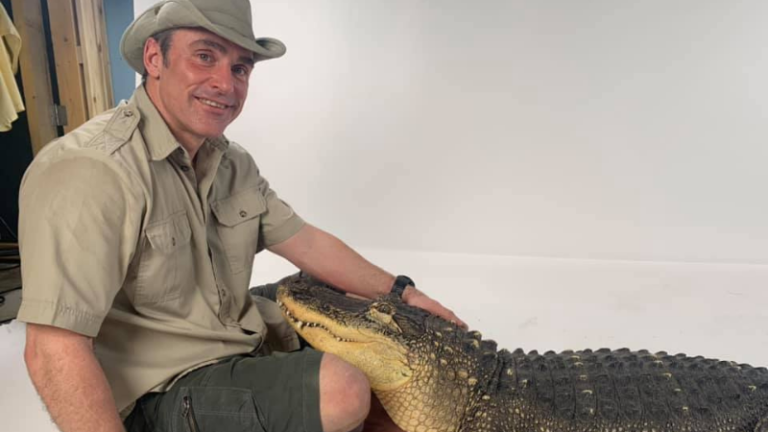
Ever since he was a kid, Paul “Little Ray” Goulet loved reptiles. Which is just as well, because today he’s the founder and CEO of Little Ray’s Nature Centre, the largest exotic animal rescue in Canada. 

With locations in Ottawa, Hamilton and in the US, Little Ray’s offers a wide range of animal education and outreach programs, as well as rescuing, sheltering, rehabilitating, releasing or rehoming animals across Canada. 

Back in 2000, Goulet launched Little Ray’s alongside his wife, Sheri. Before that, Goulet worked in banking and Sheri was a restaurant manager. “We really did make this incredible one-two punch,” Goulet says of their partnership. 

Two decades later, Little Ray’s has seen huge success, including becoming the Ontario government’s main partner for the placement of seized and unwanted reptiles. 

Despite this, the pandemic has brought with it enormous pressures.

Little Ray’s is home to 900 animals, which means that, unlike other businesses, it can’t simply send its employees home and turn off the lights. In the first five months of the pandemic, the business lost 97 per cent of its revenue. At the same time, Goulet explains, they were only able to shave seven per cent off the nature centre’s operating budget.

Now, with the most recent COVID-19 closures, Little Ray’s has lost its busy season, which accounts for 60 per cent of its annual revenue. 

“All of this weight that you’ve been carrying, that you thought you got through — (it) all comes flooding back,” Goulet says.

He estimates that Little Ray’s is at around $2.35 million in negative cash flow since the pandemic started. “You can only take so much of that,” Goulet says. 

All is not lost, however. Little Ray’s has a loyal community around it, rallying for its survival. In January 2020, the business ran a bottle drive in which 250,000 bottles were donated, completely covering Little Ray’s 3,000-square-foot warehouse in Ottawa. 

“We looked like a Beer Store after Canada Day,” Goulet jokes. 

Amongst the donors was a young girl whose parents drove her all the way from the Glebe — about an hour round trip — to drop off an empty six-pack, amounting to 60 cents. 

“The gesture — the amount of power — I’m fighting back tears even talking about this,” Goulet says. 

In the end, Little Ray’s raised more than $450,000. Its most recent fundraising campaign, launched in January 2022, has already raised more than $34,000 in public donations. Goulet and his wife have put an additional $200,000 of their own money toward the total. 

Goulet emphasizes that he supports scaling back to control the spread of COVID-19: “I’m not delusional, I understand that this is a health crisis,” he says. 

However, he is extremely frustrated at the lack of support for businesses like his own, saying that there’s not one government program that takes into account the seasonal nature of businesses. 

Despite the continuing hardships, Goulet says he’s very grateful for his community and that “small miracles happen” — like the six empty bottles the young girl brought to him last year. “Hope is a very, very, very, very, very powerful thing,” he says.

The Bright Side of Business is an editorial feature focused on sharing positive stories of business success.

This column is presented by Star Motors, Ottawa’s original Mercedes-Benz, Mercedes-AMG and Mercedes Van dealer.

Since 1957, Star Motors has provided its customers with the Mercedes-Benz “The Best or Nothing” standard in vehicle selection, service, genuine parts and certified collision repair.

For your convenience, you may shop, research, chat and compare vehicles online at starmotors.ca, and visit the 400 West Hunt Club location or call (613) 737-7827 for the very best in personal service.