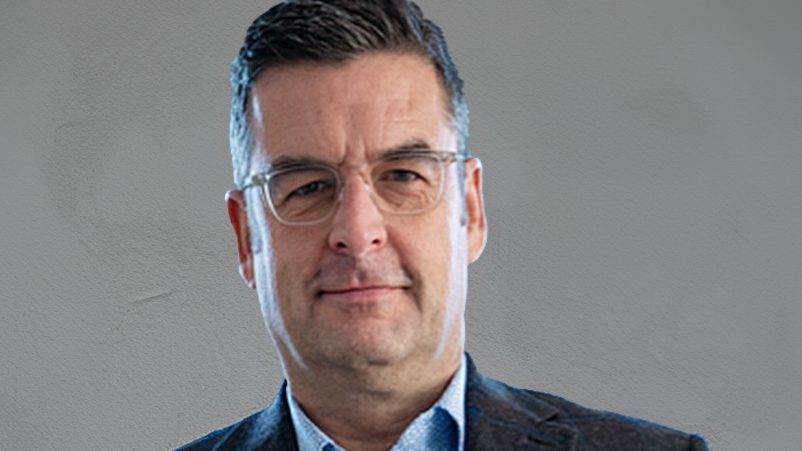
The new CEO of the Shepherds of Good Hope Foundation says he hopes to address the “social deficit of chronic homelessness.”
Earlier this month, the foundation announced that Allen LeBlanc had replaced former CEO David Gourlay, who left the organization last November.
Throughout his 30-year career, LeBlanc has held leadership roles at multiple colleges and universities, including Nipissing and McGill. He previously served as director of institutional advancement at the National Gallery of Canada and director of fund development and marketing at education organization CODE.
Most recently, he was the Ottawa Cancer Foundation’s chief philanthropy officer.
“Ottawa is a relatively small city,” said Leblanc, who moved to the capital 15 years ago. “Very philanthropic, very giving. Yet at the same time so many charities are facing such increased demand for services and programs. We’re expected to raise more money. There’s a tremendous amount of activity in the philanthropic sector in Ottawa. There are a lot of us asking a lot of our neighbours.”
LeBlanc hadn’t been looking for a new position when the search firm working with the foundation called. While the work would be different, he said he felt fortunate to have the opportunity to get involved.
“I’ve known about the organization since I’ve been in Ottawa,” he said. “It’s got an incredible reputation for the work that it does and the impact that it has in our community … I really felt that I wanted to at least try to make a contribution in helping to address this social deficit of chronic homelessness.”
LeBlanc said his role will be to advocate on behalf of the foundation, while working alongside Shepherds of Good Hope CEO Stephen Bartolo and his team.
“It’s important for the work that we do to really be a collaboration,” he said. “Really intimately understanding where the needs are and how we can best deliver on our programs and services and how we can support that through philanthropic revenues.”
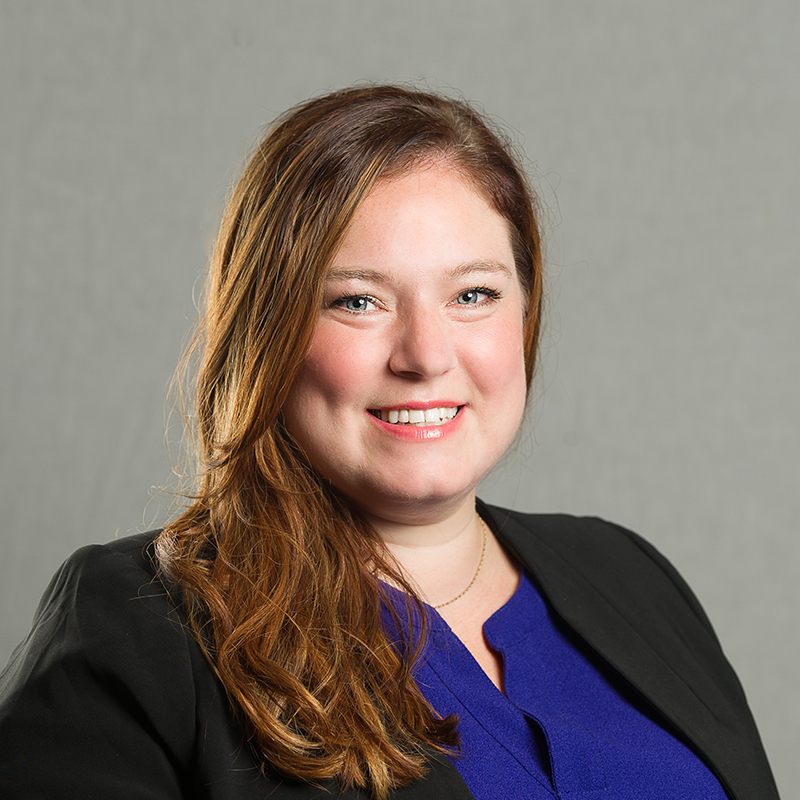
LeBlanc will also work closely with Meighan Hartley, who served as interim CEO and has now taken on the role of chief development officer.
According to Hartley, the charitable landscape has experienced “a significant change” since the COVID-19 pandemic.
“We’re seeing a shortage in the number of volunteers available to help organizations,” said Hartley. “We’re also dealing with our own cost increases. We’re feeding hundreds of people a day and we’re seeing our grocery bills go up. Our need is increasing, but I think the capacity that people have for philanthropic donations is decreasing at the same time.”
For Shepherds and other social service agencies, she said demand has grown dramatically as the cost of living has increased and housing affordability deteriorates.
At the same time, in addition to rising grocery bills, she said overhead and operating costs have forced charities to stretch donated dollars further, making it difficult to keep up with demand.
The charity continues to expand its housing offerings, announcing this week plans to convert its emergency shelter on Murray Street into a support housing facility.
And in addition to its shelters and supportive housing, the organization is pivoting its advocacy efforts to focus on proactive programs, in addition to emergency response.
“We are truly trying to redefine how our city cares for our neighbours, regardless of where they’re at in their journey,” Hartley said.
“Shepherds is really good about understanding that prevention is just as important as intervention. We just recently came out of a pilot project about diverting people, preventing them from coming into an emergency shelter in the first place by helping them reconnect with family or find different solutions so they don’t need to end up in the shelter in the first place.”