Ottawa’s robust retail leasing market is starting to show a few cracks as more and more large pockets of space vacated by “big-box” tenants are going unfilled amid ongoing global economic turmoil, a new report says. New research from CBRE says a growing number of retail spaces ranging from 5,000 to 20,000 square feet are […]
Get Instant Access to This Article
Become an Ottawa Business Journal Insider and get immediate access to all of our Insider-only content and much more.
Ottawa’s robust retail leasing market is starting to show a few cracks as more and more large pockets of space vacated by “big-box” tenants are going unfilled amid ongoing global economic turmoil, a new report says.
New research from CBRE says a growing number of retail spaces ranging from 5,000 to 20,000 square feet are sitting empty in suburban Ottawa shopping malls.
In its latest retail rent survey released last week, the real estate brokerage says typical users in this size category such as furniture stores and household goods retailers are reluctant to take on bigger pockets of space when they come to market, “citing caution due to tariffs and other economic uncertainty.”
CBRE senior vice-president Jamie Boyce, who specializes in leasing retail space in the National Capital Region, says bankruptcies and business closures in the furniture and household goods sectors have thinned the field of potential replacements for larger retail vacancies in recent years.
In addition, he says, retailers were further rattled last week when U.S. President Donald Trump threatened to slap tariffs on imported furniture at a rate “yet to be determined” pending a White House investigation.
“They’re the tenants that would traditionally occupy that type of space,” Boyce says of furniture stores and other household goods vendors.
As a result, some of the region’s busiest outdoor retail plazas are now shopping for tenants to fill a growing number of empty storefronts.
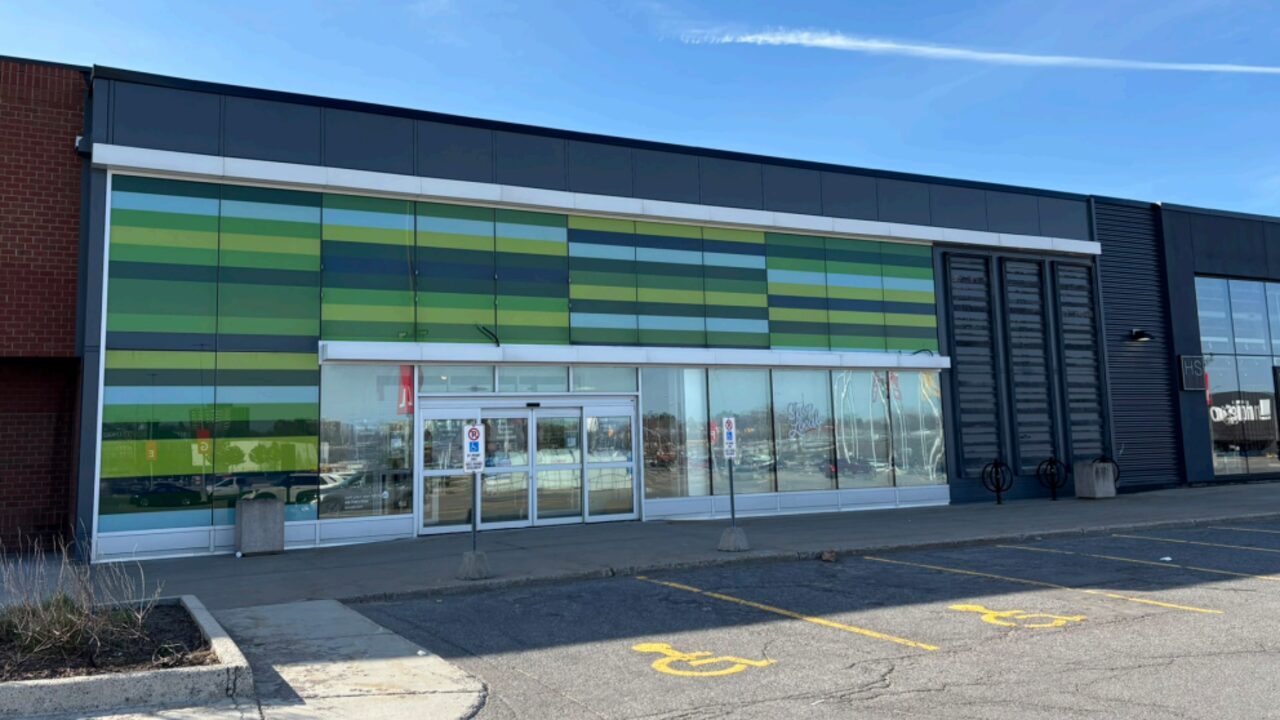
For example, the Pinecrest Shopping Centre is marketing 18,000 square feet of prime real estate that was formerly occupied by Terra20, an Ottawa-based retailer of environmentally and ethically sourced household products. Just a stone’s throw to the west, Globo Shoes is poised to pull out of its 6,200-square-foot store next to the Indigo book shop.
“We’ve gone from zero vacancy in this category to now having a couple of quality options in each of our submarkets around the city,” Boyce says.
Commercial real estate broker Brent Taylor says it’s not surprising that more large vacancies are opening up in Ottawa malls.
As the trade war rages on and more buyers search for merchandise online, many furniture and household goods chains are downsizing their brick-and-mortar footprints, he says – making it tougher on tougher on landlords looking to backfill those “big-box” spaces.
“They’re a little more challenging (to lease) because the number of prospective tenants for over 5,000 (square) feet and especially over 10,000 (square) feet has diminished in recent years,” explains Taylor, whose business, Brentcom Realty Corp., is dedicated to leasing retail space.
While acknowledging that Pinecrest is “still a great (retail) centre,” he says the prospective tenant pool for spaces in that size range is “a thin field compared to what it used to be.”
Fitness businesses eye space
Still, Boyce says he’s not overly concerned about a potential glut of large retail space in Ottawa malls.
He says several businesses in the “fitness space” that are looking to expand their operations in the nation’s capital are eyeing some of the vacancies, adding the new occupiers are likely to include “personal-service-type businesses” such as gyms and entertainment facilities rather than more traditional retailers like furniture stores.
“I think there are alternative users out there that would like to backfill these spaces,” Boyce says.
But it’s not all doom and gloom for traditional retailers. Taylor says he’s got several deals on the go with smaller specialty furniture retailers, adding quick service restaurant chains and health-care professionals such as physiotherapists and chiropractors remain “very active” in the leasing market.
Despite uncertainty over tariffs and other economic turbulence, retail continues to be one of the shining stars of the local commercial real estate market, the brokers say.
“The market is still, I’m going to say, surprisingly strong because I don’t know if that matches the strength or weakness of the economy in general,” says Taylor.
Demand for space is frothy enough that some landlords are now raising rents annually over the term of a five-year lease – something that was unheard of until recently, he adds.
“Retail rents continue to go up. Landlords are not shy to ask for increases,” Taylor says. "Because demand is strong enough, if one tenant doesn’t pay it, the next tenant will.”
Boyce agrees.
“There are retailers that are looking for opportunities, and we continue to be in a supply shortage of good space,” he says. “Any time a good opportunity presents itself, it’s often competitive to be able to secure that if you're a good-quality tenant.”