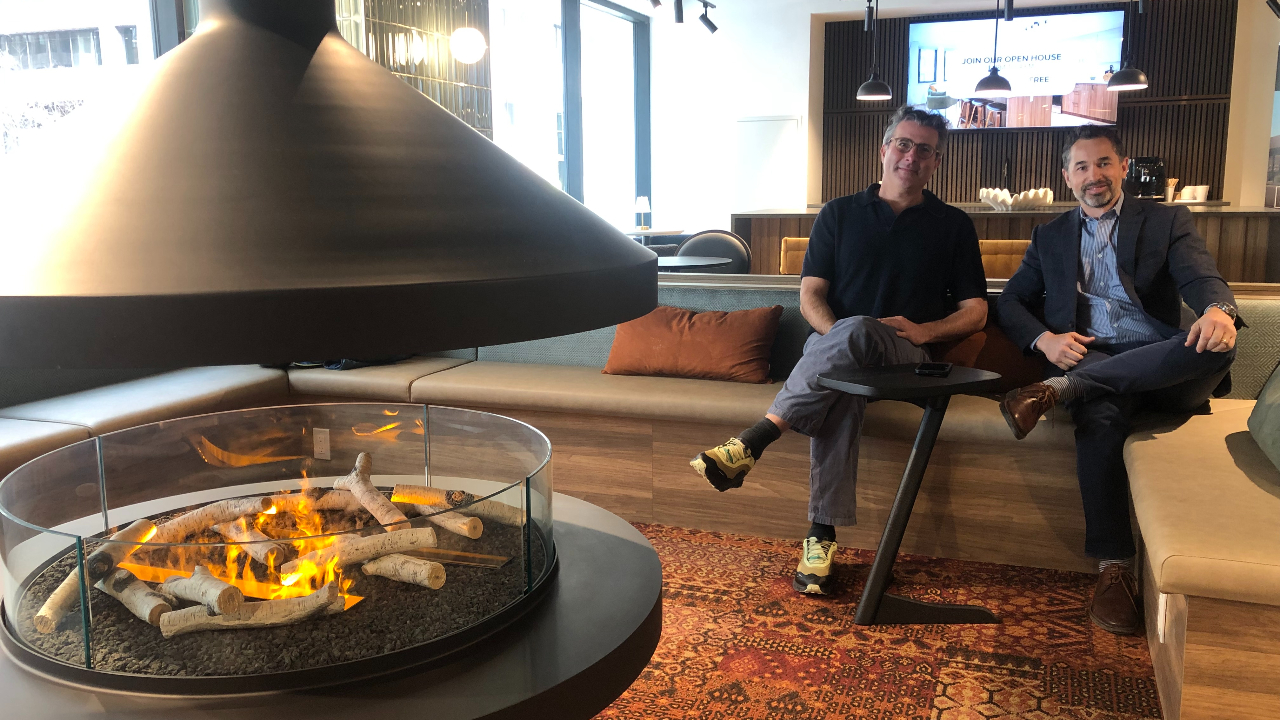
Linebox Studio founder and principal architect Andrew Reeves and CLV Group president Oz Drewniak pose in the lobby of the residential development at 360 Laurier Ave. W. Photo by David Sali
Get Our Email Newsletter Local news about the companies, people and issues that impact business in Ottawa and beyond delivered to your email inbox.
At first glance, the terrazzo tiles in the lobby of an 11-storey apartment complex at 360 Laurier Ave. W. might not look like anything special. Installed in the late 1960s, the flooring isn’t there for show. It was built to last, to withstand the constant pounding of thousands of office workers trampling over it every […]
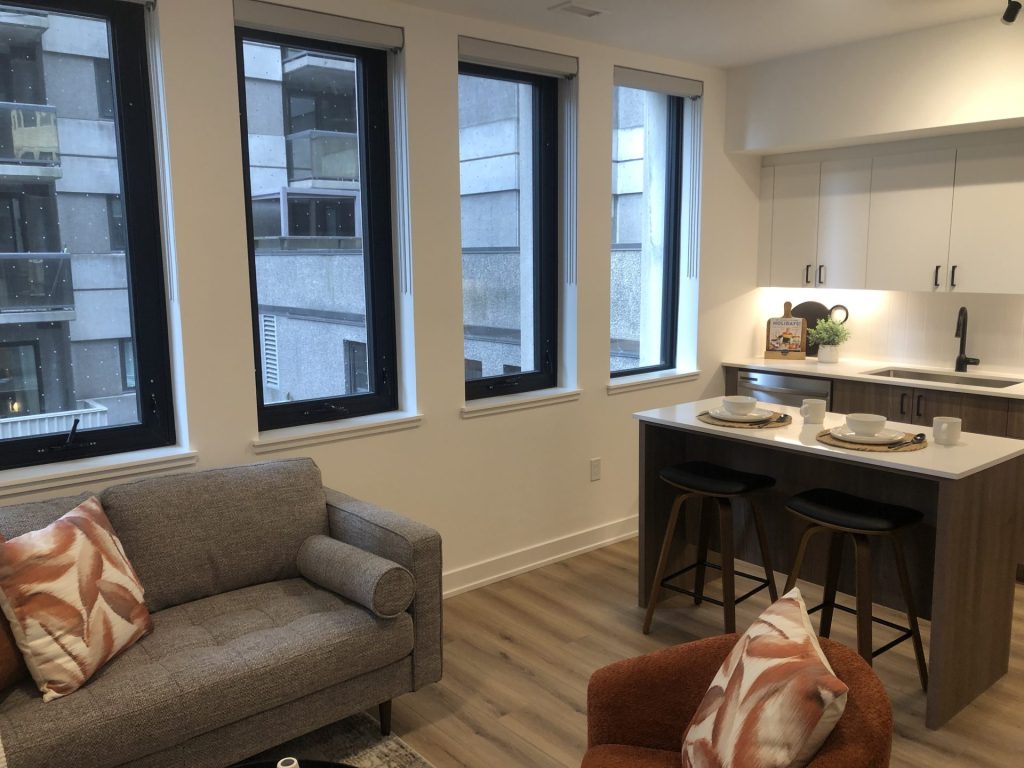
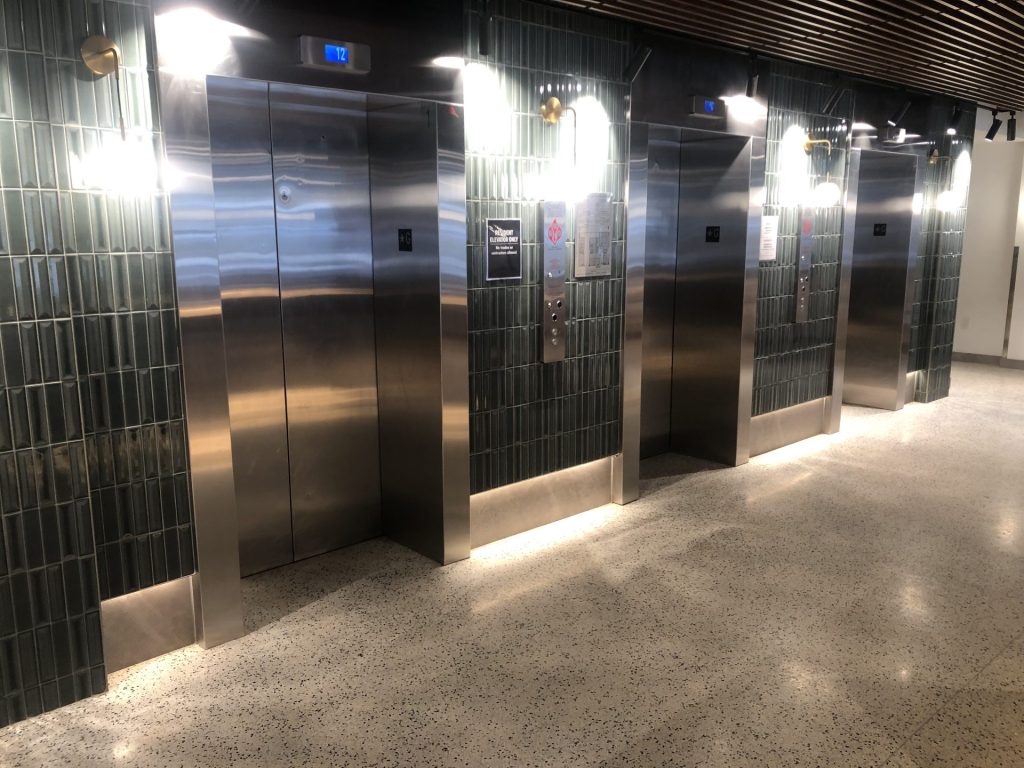
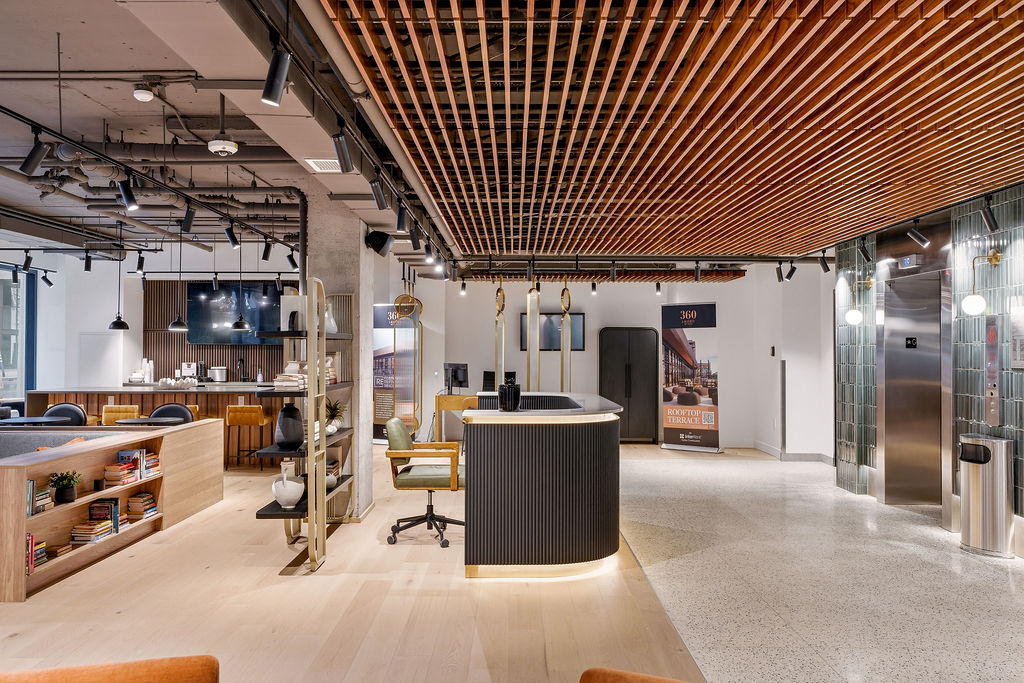
At first glance, the terrazzo tiles in the lobby of an 11-storey apartment complex at 360 Laurier Ave. W. might not look like anything special.Installed in the late 1960s, the flooring isn’t there for show. It was built to last, to withstand the constant pounding of thousands of office workers trampling over it every day. To Oz Drewniak, however, the surface represents something else: a metaphor for the painstaking process that’s transformed the Brutalist structure formerly known as the Narono Building from a non-descript, aging government office tower into an ultra-modern residential development.Drewniak is the president of CLV Group, the Ottawa-based firm behind the two-year project to convert the building and add nearly 140 new rental apartments to the city’s downtown core. Grinning like a proud parent, he notes there are cracks visible in several places on the floor near the building’s main-floor elevators.The tiles were originally supposed to be replaced with new material, he says. But a closer look at the worn terrazzo caused the project’s managers to reassess their plans.The flooring is “imperfect, but it points to what this building was,” Drewniak explains while touring an OBJ reporter through the site. “It’s an imperfect building, but it’s a conversion. This will be here for a hundred years. You think about buildings in Europe, and they’re like three, four hundred years old, five hundred, even longer. A building like this that’s well-built, the concrete is of higher quality than some of the current buildings, returning it to a new use or changing the use for something new, breathing new life into it, totally makes sense. We want to celebrate some of these imperfections.” Indeed, the mere thought of taking a 60-year-old mass of steel and concrete originally designed with office cubicles in mind and rebuilding it into a space suitable for day-to-day living would be enough to send many property developers running for the exit. Drewniak and the folks at CLV Group, however, wholeheartedly embraced the process and all the headaches and unforeseen obstacles that came with it.“We’re taking inventory that is no longer reusable, which is old office (space), and we’re turning it into something that’s really valuable for our city and our residents,” the veteran real estate executive says.The Laurier Avenue project is the second office-to-residential conversion for CLV Group, which also redeveloped another former government office building, the 11-storey Trebla Building at nearby 473 Albert St., into a 158-unit apartment complex a few years ago.That project took longer than expected, as construction crews encountered a myriad of unexpected hurdles while tearing out the guts of the building. City building codes not written with conversions in mind threw even more wrenches into the works, such as one that required CLV to build a new stormwater retention pond on the 50-year-old former government office tower’s roof and install a 3,000-gallon cistern in the underground parking garage to collect rainwater – work that added more than $1 million to the project’s total price tag. (That requirement has since been scrapped.)Still, when presented with the opportunity to do it again at 360 Laurier, CLV Group jumped in. A passionate proponent of conversions, Drewniak cites a number of reasons why they’re preferable to demolishing a highrise completely and rebuilding it from scratch.At 360 Laurier, the vast majority of the building’s concrete exterior was preserved, he notes, saving the equivalent of hundreds of truckloads of cement. Unusual window placements required architect Andrew Reeves and his team to come up with some creative solutions when designing the suites at 360 Laurier. Photo by David SaliConcrete production is one of the world’s biggest sources of carbon dioxide pollution. When CLV Group bought the building a few years ago, Drewniak said the project was expected to generate 28 per cent fewer greenhouse gas emissions than constructing a new development of the same size.“You’re given a building that has a fixed exterior,” Drewniak says. “You can’t change that fixed exterior unless you tear the whole exterior out and you start over. But one of the reasons why you want to do an office conversion is to save as much of the concrete as possible. “It’s a very responsible way of building because you’re saving material going to a landfill. Concrete is the largest carbon footprint in the building, so the more concrete you can save, the more environmentally friendly the building is.”In addition, as more and more tenants flee decaying downtown office towers, Drewniak believes office conversions will attract new residents and help re-energize the city’s core.“Ottawa has an office downtown vacancy issue with these older, class-C buildings,” he says. “This is a solution to a modern-day office problem. This building is going to be activating the downtown core. The more of these conversions that we can do instead of just tearing (a building) down into a parking lot or leaving it as a vacant building will only benefit our downtown core.”CLV Group is collaborating with PBC Development & Construction Management and many of the same partners from the conversion at 473 Albert St., including engineering firms Cleland Jardine and Smith + Anderson. The redesign is being spearheaded by Ottawa-based Linebox Studio, which also worked on the Albert Street redevelopment.CLV and its partners emerged from that project a bit battle-scarred, but wiser for it, Drewniak admits. They were able to apply lessons they learned a few blocks to the north at Laurier Avenue, making their second go-round at a conversion a little easier.“The first one is like getting our undergrad,” Drewniak says. “The second one is maybe getting our master’s. Every time you do one, you hope to get a bit better.”So what was the biggest lesson they learned from the Albert Street project? Drewniak doesn’t hesitate with his answer.“Whatever you think your contingency is, double it. You’re always going to find something in a conversion. It doesn’t matter how well you do your due diligence, there are always things that come up.”And as if on cue, unexpected surprises cropped up almost immediately when contractors began stripping away the Narono Building’s interior in early 2024. Just days into the demolition process, for example, they found asbestos tile underneath the carpets on several floors. That halted the project in its tracks for weeks so the building could be sealed and the tiles removed. “You could do a lot of additional beautification for the cost of getting rid of all that asbestos,” Drewniak notes.
Filling dead space
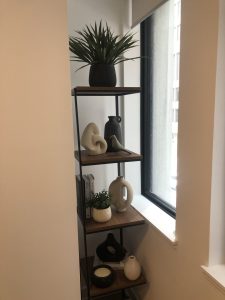
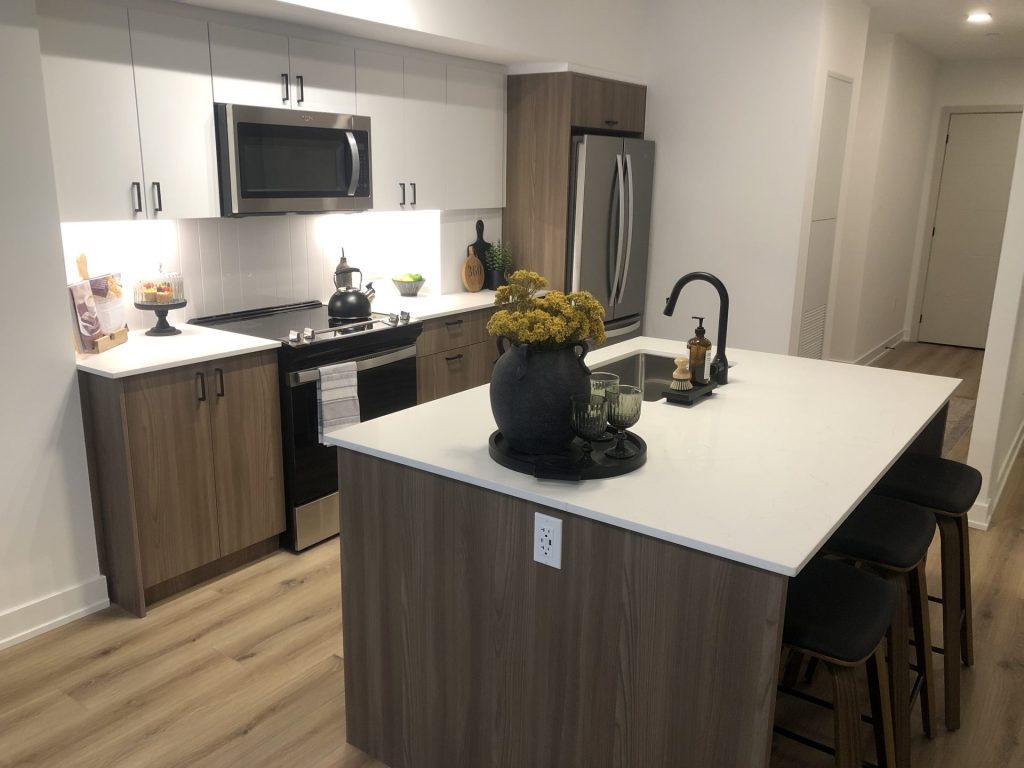
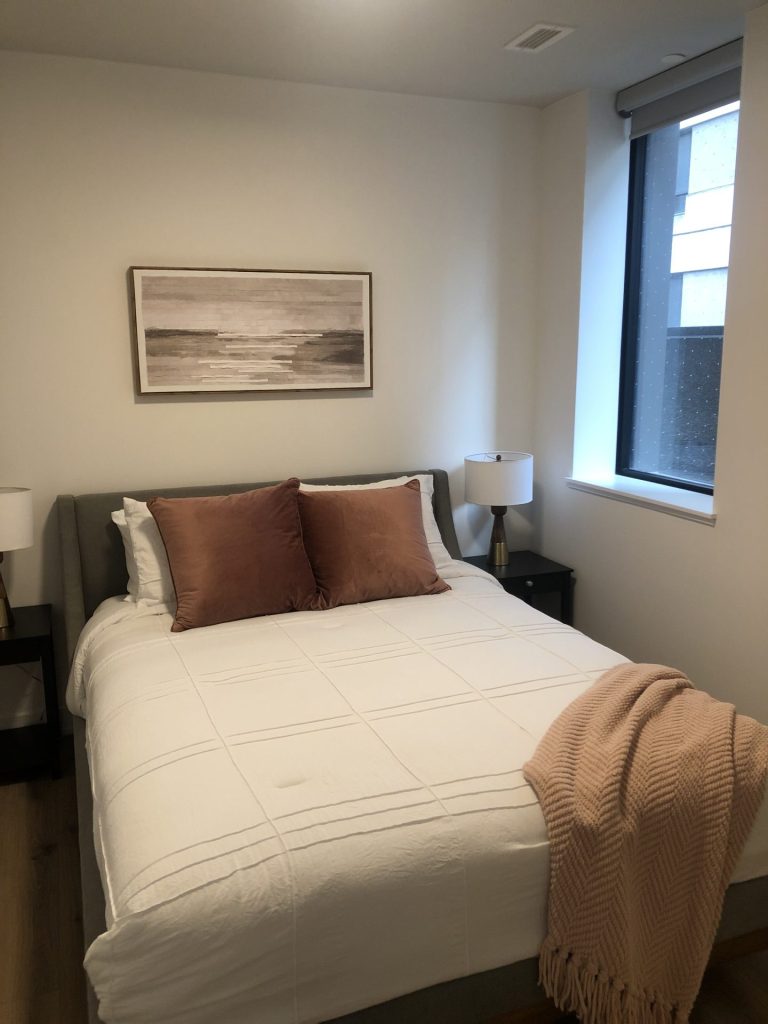
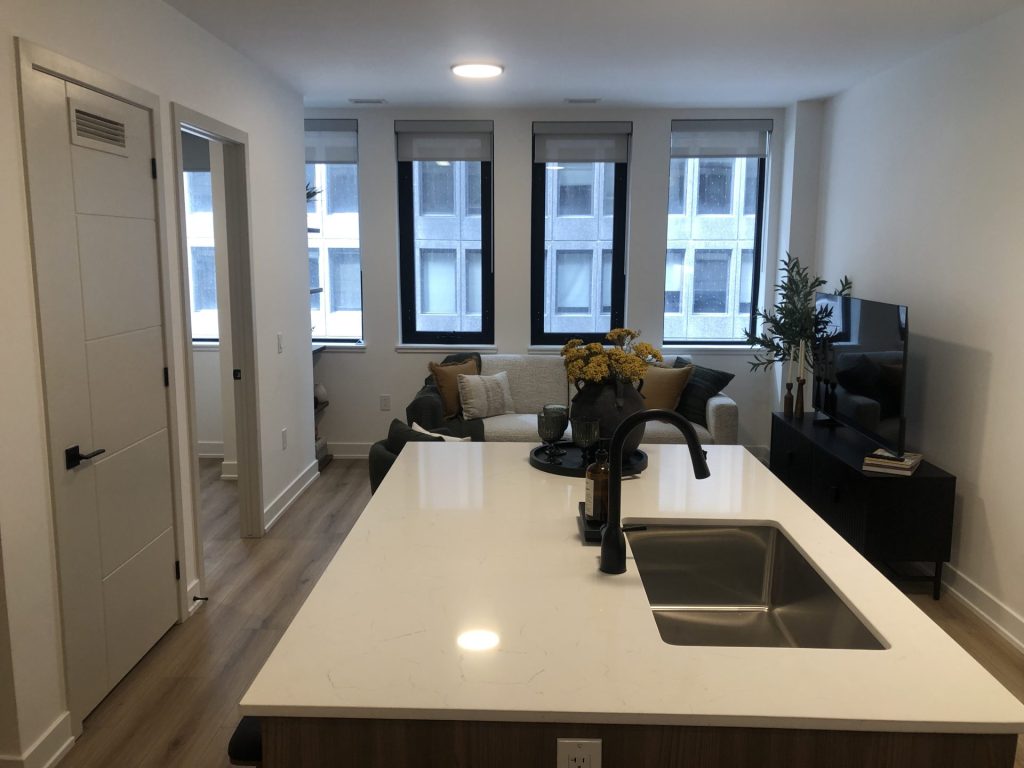
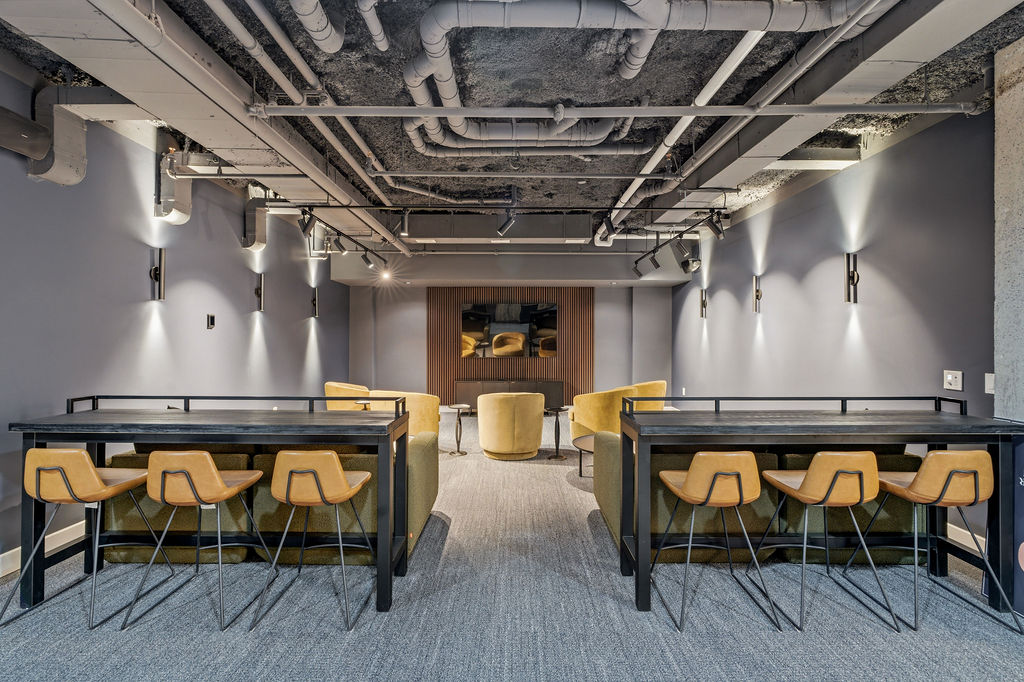
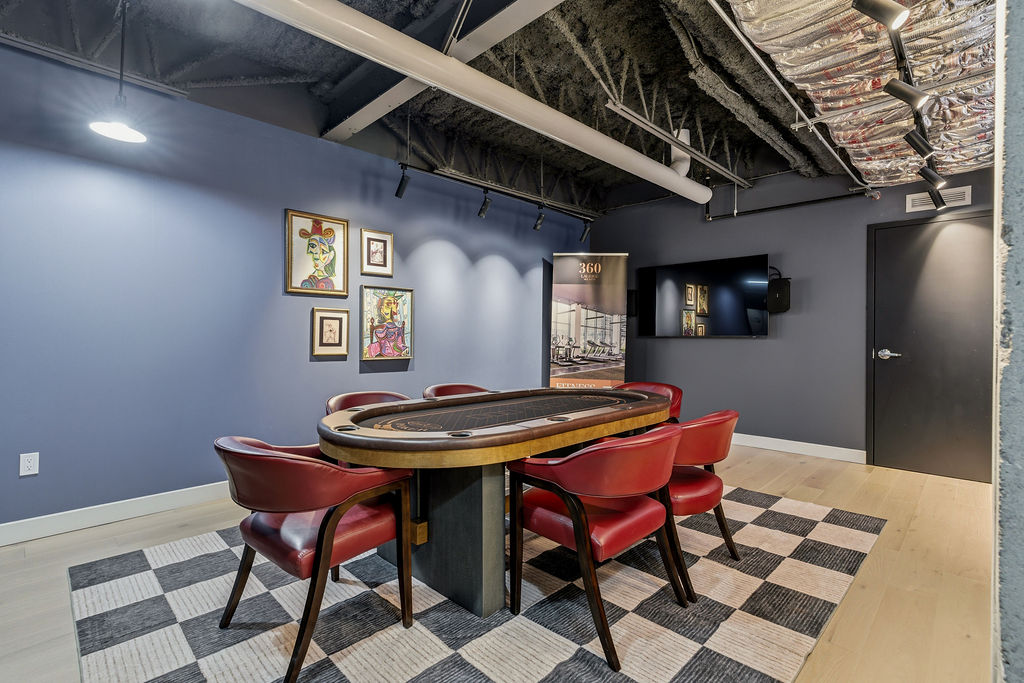
Then there was the floorplate. Wider than a typical residential tower, the Narono Building contained pockets of “dead space” with no windows that were “very difficult to program,” he explains. Those areas were eventually filled with amenities such as a games room, golf simulator, theatre and poker room.“You have to be creative,” Drewniak says.Even things like the placement of the windows made life more difficult than usual for Andrew Reeves and his team of architects when it came to designing the apartments.Many of the building’s original precast concrete panels were punched out to make way for additional windows so more natural light could enter the units. But that meant windows ended up in spots they never would have been if the building had been designed for residential use, requiring the architects to come up with unconventional solutions like “checks” – slight redirections in bedroom walls to accommodate oddly placed windows.In some units, space constraints meant not all bedrooms even have windows. Linebox’s solution was to give those bedrooms sliding doors with opaque windows that allow natural light to enter from the living room.“These awkward and quirky things end up being the thing that’s special to the unit,” says Reeves, describing the process of reimagining offices as apartments as a “complex little puzzle.”It’s a brain-teaser he clearly seems to enjoy.“We embrace all those complexities,” he says with a smile. “That’s what kind of gets us (fired) up instead of doing other stuff.”There were other hurdles as well. The west side of the building, for example, originally had no windows at all. The developers were ready to cut holes in the concrete, but it took nearly a year to negotiate an encroachment agreement with the owner of the building next door. Sprinklers then had to be installed near the new windows to keep them from shattering and spraying glass on the neighbouring site in the event of a fire.Meanwhile, replacing office cubicles with housing units – and going from one kitchen and two bathrooms per floor to 16 kitchens and 28 bathrooms per floor – required a wholesale rebuild of the plumbing and heating systems. That was easier said than done as the shafts containing the heating and water pipes didn’t always line up from floor to floor. Meanwhile, the original concrete needed to be checked for hidden rebar using 3D scanning technology before it could be drilled to install new infrastructure. “You have to design on the fly,” Drewniak says.
State-of-the-art amenities
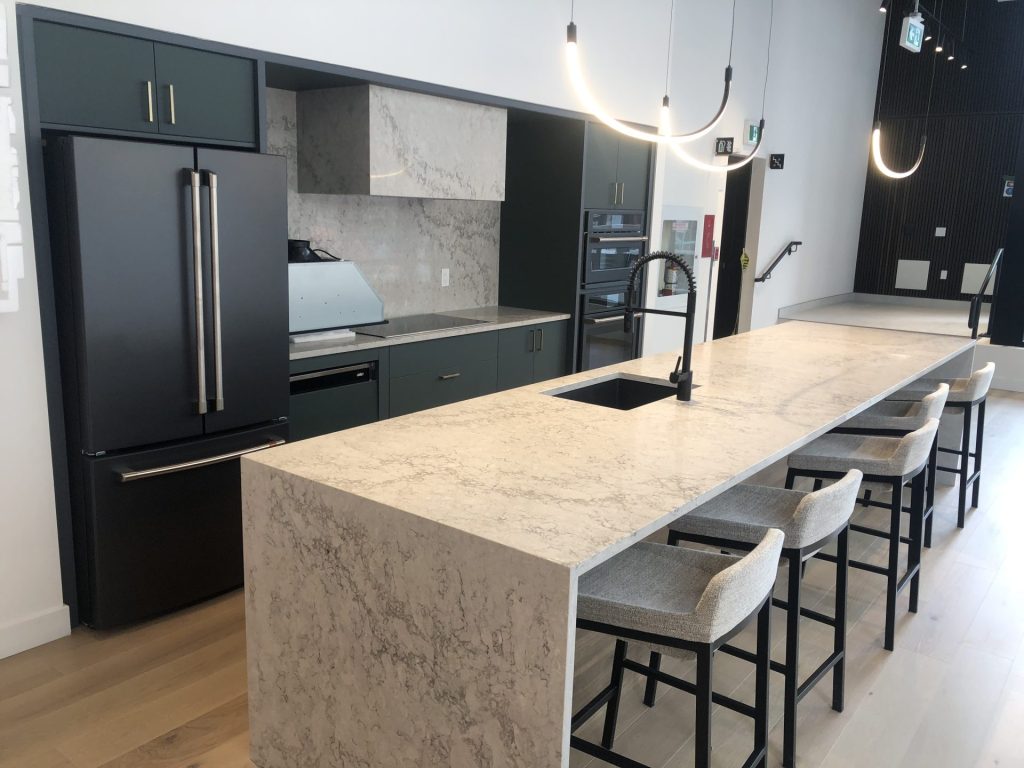
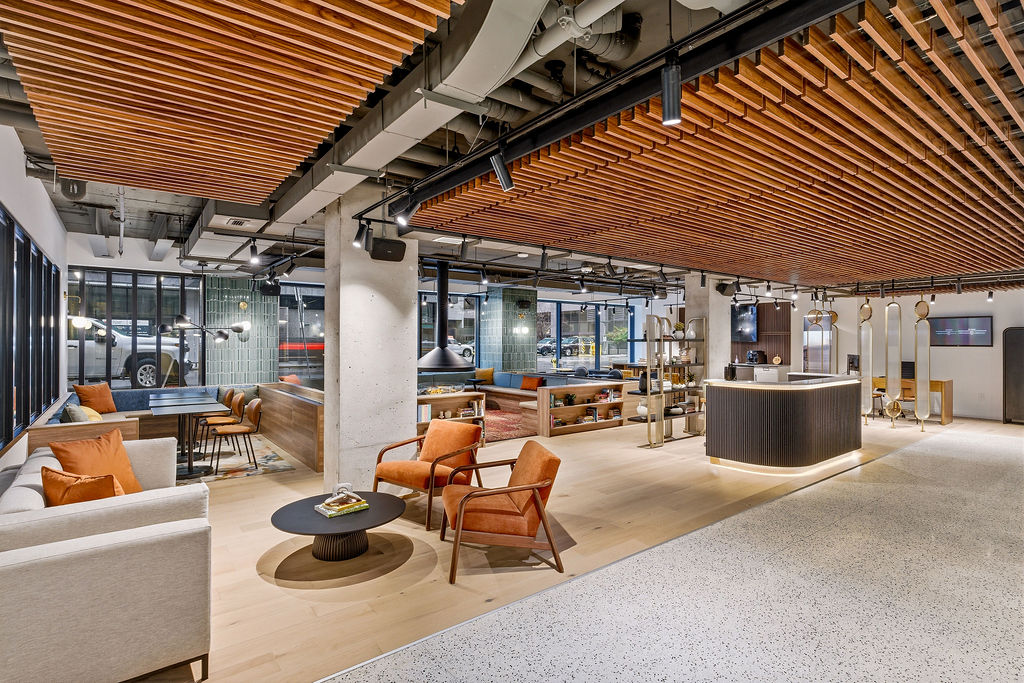
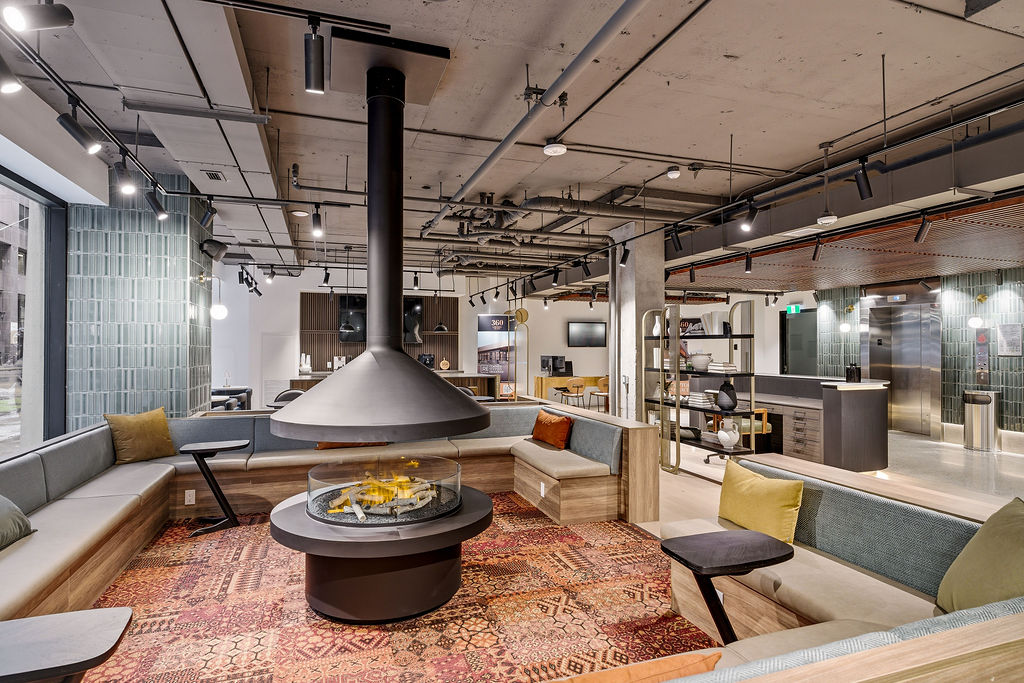
Modern technology paid big dividends in other ways, such as allowing CLV to replace antiquated heating, electrical and cooling systems with modern equipment that took up 75 per cent less space. That cleared the way for a state-of-the-art amenities area on the top floor that includes a fitness centre, yoga studio, lounge and pool table. “We turned what was once a mechanical space into a very usable residential space,” Drewniak says. Sitting by the fireplace in 360 Laurier’s new ground-floor lounge, Reeves says he’s proud of the end result. While he describes structures in the Brutalist style as “buildings only architects love,” he argues they have their merits. “We love them because they’re solid, they’re strong, there’s a mathematical formula to the columns,” Reeves explains. “But they're obviously not meant for residential (use). So for us, how do you then bring the qualities of a home? How do you inject that into what was an office building but respect the building itself?”Drewniak believes the Laurier Avenue conversion team has accomplished exactly that.“You would never know that this was an office building,” he says, scanning the couches and bookshelves that now occupy what was once a drab lobby.With the project nearing the finish line, Drewniak says he’s already on the lookout for other tired office buildings in the downtown core that could be revitalized as apartments. “We would love to do another (conversion),” he says. However, finding the right combination of archaic concrete and steel is rarely straightforward. “They’re not easy to come by,” Drewniak explains. “Only 10 per cent of the buildings really work. You need to have a combination of the right floorplate, the right size building and the right lease structure. If a building is half-occupied with commercial tenants and you can’t vacate it to do the necessary work, you can’t convert it. “You need to be able to find a building that you can vacate fully and has the right floorplate at the right price to make it work. If any of those three things fail, it doesn’t work.”But when it does work, the end result can be more satisfying than the shiniest modern five-star tower.“As a rental provider, you build on speculation,” Drewniak says. “We’re building this in advance (of occupancy), and we hope that everybody loves it and they see the beauty in the building like we do. If our residents are happy here, that will be our long-term success.“We love doing these. It’s different than just any other new build. New builds are great, but conversions are special.”