L-Spark is tapping into Canada’s most powerful supercomputer in a program aimed at startups using AI to upend retail, construction, automotive and other industries. Dubbed the Sovereign AI Accelerator, the first-of-its-kind initiative is a partnership between the Kanata-based tech startup incubator and telecommunications giant Telus. Five Canadian-owned startups are developing and testing their AI solutions […]
Get Instant Access to This Article
Become an Ottawa Business Journal Insider and get immediate access to all of our Insider-only content and much more.
L-Spark is tapping into Canada’s most powerful supercomputer in a program aimed at startups using AI to upend retail, construction, automotive and other industries.
Dubbed the Sovereign AI Accelerator, the first-of-its-kind initiative is a partnership between the Kanata-based tech startup incubator and telecommunications giant Telus.
Five Canadian-owned startups are developing and testing their AI solutions on ultra-high-speed computing technology at Telus’s new Sovereign AI Factory in Rimouski, Que. Last fall, the facility was named Canada’s fastest and most powerful supercomputer by the TOP500 Project, which ranks the world’s 500 most powerful computing systems.
The startups will hone their technology on Telus’s supercomputer while getting advice on everything from marketing to fundraising from L-Spark mentors in a bid to “transform ambitious AI roadmaps into scalable, market-ready offerings,” according to a news release from L-Spark.
L-Spark managing director Leo Lax said a business connection at Telus suggested the two organizations work together to give new founders the tools they need to create the next generation of AI-fuelled software.
“They called us up and said, ‘Are you interested to partner?’” Lax explained in an interview with OBJ last week. “And we said, ‘Wow, this is fantastic.’ This is truly an opportunity that I think is going to benefit us. It's going to benefit Telus, and I think it's going to benefit Canada.”
The five companies in the accelerator’s first cohort were chosen from applicants across the country. They include:
- Montreal-based Airy3D, which specializes in 3D imaging technology that can be tailored to any camera sensor with the aim of providing “a compact, power-efficient and cost-effective solution for use in robotics, automotive, industrial automation and consumer devices,” according to L-Spark.
- Codalio, a startup headquartered in Sudbury that is building an AI-driven platform designed to build scalable, enterprise-grade apps faster and more affordably.
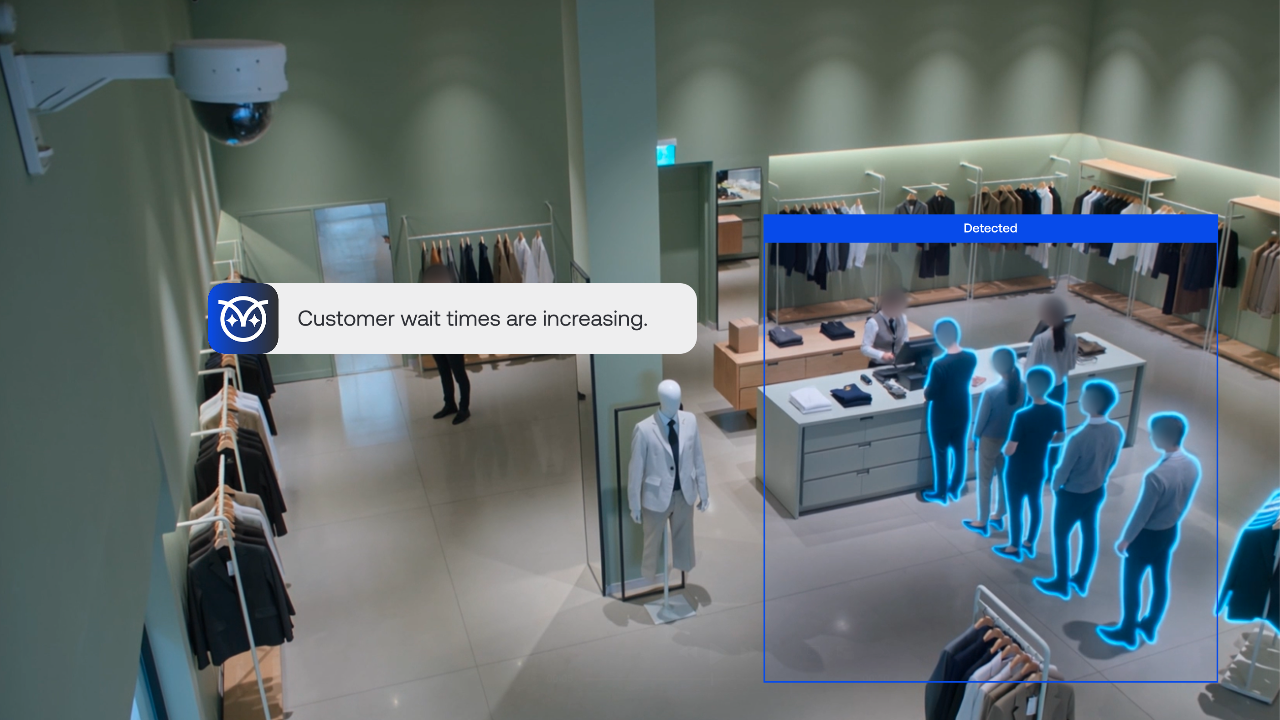
- Edge Signal, an Ottawa firm that helps retailers glean insights from AI tools in an effort to boost revenue and profitability, improve customer experience and make operations more efficient.
- Calgary’s PataBid, which makes AI-powered software designed to help construction firms bid on complex projects.
- Toronto-based TopoLift, which specializes in software that uses AI to help companies make more accurate business decisions.

“Canada has no shortage of talented AI visionaries and founders, but too often they lack the co-ordinated support needed to scale from promising ideas to globally-competitive businesses,” Telus chief information officer Hesham Fahmy said in a news release.
“By arming founders with the same high-performance AI infrastructure available to tech giants — combined with hands-on advisory support — we’re enabling them to accelerate development, strengthen their market position and build AI companies that dominate the world stage, right here in Canada.”
Lax also touted the importance of developing such solutions domestically so startups can maintain control over information and intellectual property without worrying about the potential security pitfalls of storing data outside Canada’s borders.
Noting that Canadian scientists were trailblazers in the development of AI, he said this country has always had the “intellectual capital” to be at the forefront of the AI revolution, but has allowed other nations to take the lead when it comes to developing and scaling AI-focused businesses.
“We have had some lack in getting the, I'll call it, business capital to actually drive these successes,” he added. “And I think one of the value propositions we see in this process (of launching the new accelerator) is we need our incumbent large corporations in Canada to lean in and leverage our intellectual capital by partnering with this kind of innovative environment.
“AI is transformative in its nature and it allows those who want to (develop new technologies) and know how to do it to get it done in record time. That compression of time is particularly attractive to the innovation community. The new generation of technologists take these tools and create magic. However, this magic requires (computer) horsepower. So I think this is really a stellar opportunity to put Canada back in front of the world.”
Edge Signal was founded in 2024 by Arda Ozgun, the chief technology officer at Terry Matthews’s Wesley Clover investment firm. It now counts global clothing and shoe retailers Burberry, Converse and Lacoste among its growing list of customers.
The privately funded company uses AI to analyze data from security cameras and sensors. It aims to help retailers boost revenue by detecting issues such as empty shelves, and cut costs by tracking customer patterns to ensure staffing levels match demand.
Ozgun said the chance to piggyback off the experience of L-Spark’s advisers was a major attraction of the accelerator program. So was the opportunity to tap into Telus’s state-of-the-art computing facility, which he says will provide peace of mind to his customers because “Canada has a trusted flag all around the world.”
The budding entrepreneur, who began his career as a software engineer at Nortel’s office in Istanbul in the mid-1990s, also hopes teaming up with Telus will help expand his client base.
“The benefits from Telus are twofold,” he explained. “One is the (computer) infrastructure. The other one is … potentially positioning our services to (Telus’s) own retail customers.”
The collaboration with Telus is L-Spark’s second partnership with a major Canadian telecommunications technology company in the past 12 months.
In April 2025, Mitel, which is also headquartered in the Kanata tech hub, announced it was joining forces with L-Spark to help up-and-coming tech companies brainstorm applications that can be integrated into the unified communications giant’s products.
Lax said eight Canadian startups are now certified to provide new AI-powered products to Mitel customers thanks to the program.
The Mitel and Telus partnerships are a departure for L-Spark, which over the past 13 years has mentored more than 160 startups that have collectively raised in excess of $200 million in follow-on funding.
The organization has traditionally accepted software companies from a wide range of verticals into its programs. But rather than casting a wide net when searching for the next software-as-a-service stars, L-Spark has opted to narrow its focus to companies in specific verticals.
Lax has been beating the bushes since early 2025 in an effort to find other big-name Canadian corporations that are willing to collaborate with L-Spark on similar ventures. Last week, he told OBJ “it's not a simple task” to find such partners.
“Imagine that you can take a group of five (startups) … and with these powerful tools they have, they can create products that are going to be scaling virtually instantaneously in the market,” Lax said. “We've seen some of these stories. I think our companies in Canada can do that.
“But one of the things that we need is … the large incumbent partners to say, ‘AI is what's going to create the future and I'm going to embrace these new innovative opportunities and offerings and work together in collaboration as part of our corporate activity.’ And I'm hoping that you'll hear more of large Canadian corporations leaning in and helping make our economy succeed.”
Lax has cited four specific industries — retail, utilities, mining and energy — where L-Spark would pursue corporate partnerships. Last week, he added two more burgeoning sectors to the list: defence and health care.
“We are looking at vertical markets where AI can truly make a difference,” he said. “We are working with Telus on health-care activities. AI is going to make a huge difference on how health care is going to be consumed, how it's going to be used, and how it's going to develop and be offered to the market. But it requires horsepower.”