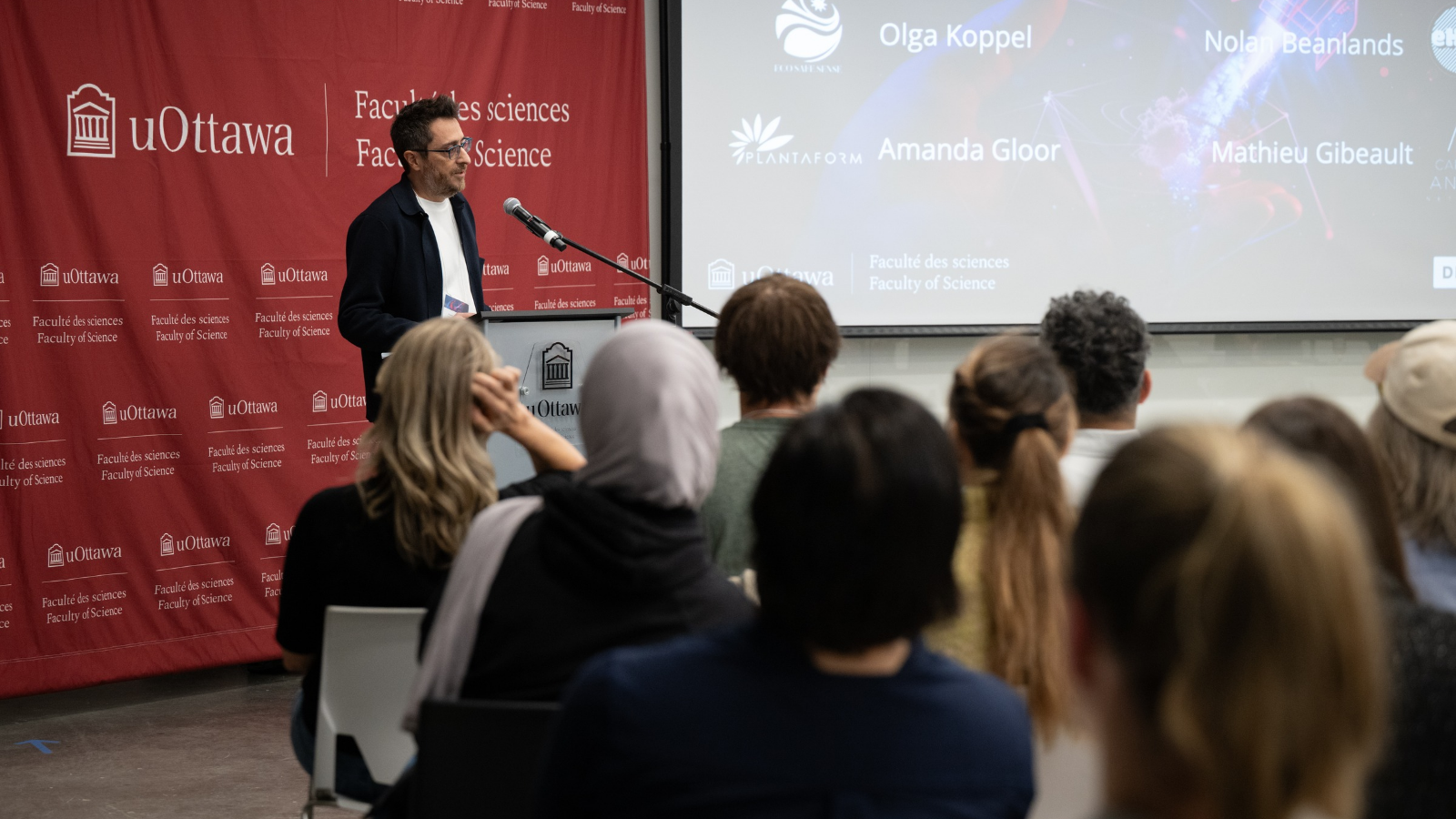

Through training, early validation, funding and mentorship, the University of Ottawa’s Faculty of Science is helping researchers turn discoveries into companies – and several startups have already emerged from the effort.
Indeed, uOttawa’s Faculty of Science is becoming a place for researchers to launch a company and turn their breakthroughs into impact beyond just publishing them.
By encouraging innovation and entrepreneurship among its professors, postdocs, and graduate students – and matching them with industry partners and others with deep business experience – the Faculty is transforming scientific discoveries into commercial successes that could change the world.
“We’re taking technologies out of the lab into the market by offering flexible solutions, affordable access to state-of-the-art facilities and a lot of personalized attention” says the Faculty’s Vice-Dean of Innovation and Strategic Partnerships, Vincent Tabard-Cossa.
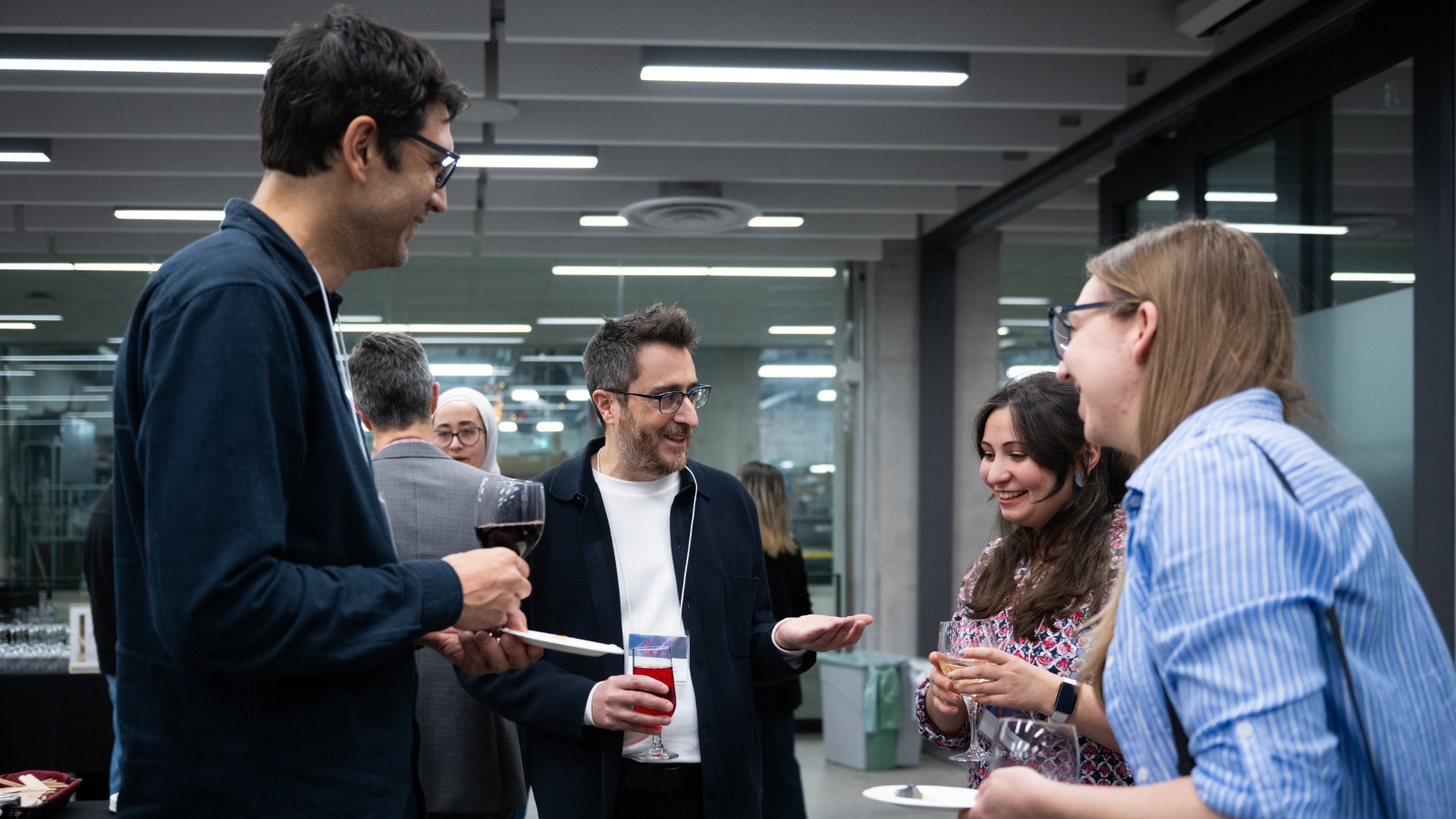
Mixing students and researchers with investors, incubators, and industry partners
Under the forward-thinking leadership of Faculty of Science Dean Louis Barriault, a professor of chemistry, the Faculty is laser focused on accelerating the growth of an entrepreneurial ecosystem built on scientific innovation.
The Faculty regularly works with investors and incubators looking for early deal flow, industry partners searching for collaborators, sponsors interested in backing a proven ecosystem, along with researchers and students with the potential to found successful companies.
The proof of its success is everywhere: The Faculty has had a hand in launching several research-driven ventures in Ottawa’s innovation landscape, including:
- GreenVeil Packaging, funded by Ali Maleki which develops biodegradable and antimicrobial packaging for the food and agriculture sectors.
- EcoSafeSense, led by Olga Koppel, a young startup whose sophisticated air quality sensors generate actionable data around environmental risk.
- PanThera CryoSolutions, co-founded by Robert Ben, a professor in the Department of Chemistry and Biomolecular Sciences. Its synthetic compounds greatly improve cryopreservation, and it was acquired by BioLife Solutions last year.
- Yellowbird Diagnostics, co-founded by Nicholas Calvert, Adam Shuhendler, and Alexia Kirby, whose medical imaging agents enable more precise diagnosis of serious diseases affecting the brain, heart and kidneys.
- Northern Nanopore Instruments, later acquired by Oxford Nanopore Technologies. Kyle Briggs, the science Faculty’s entrepreneur in residence, and Tabard-Cossa, his PhD supervisor, were two of its four co-founders.
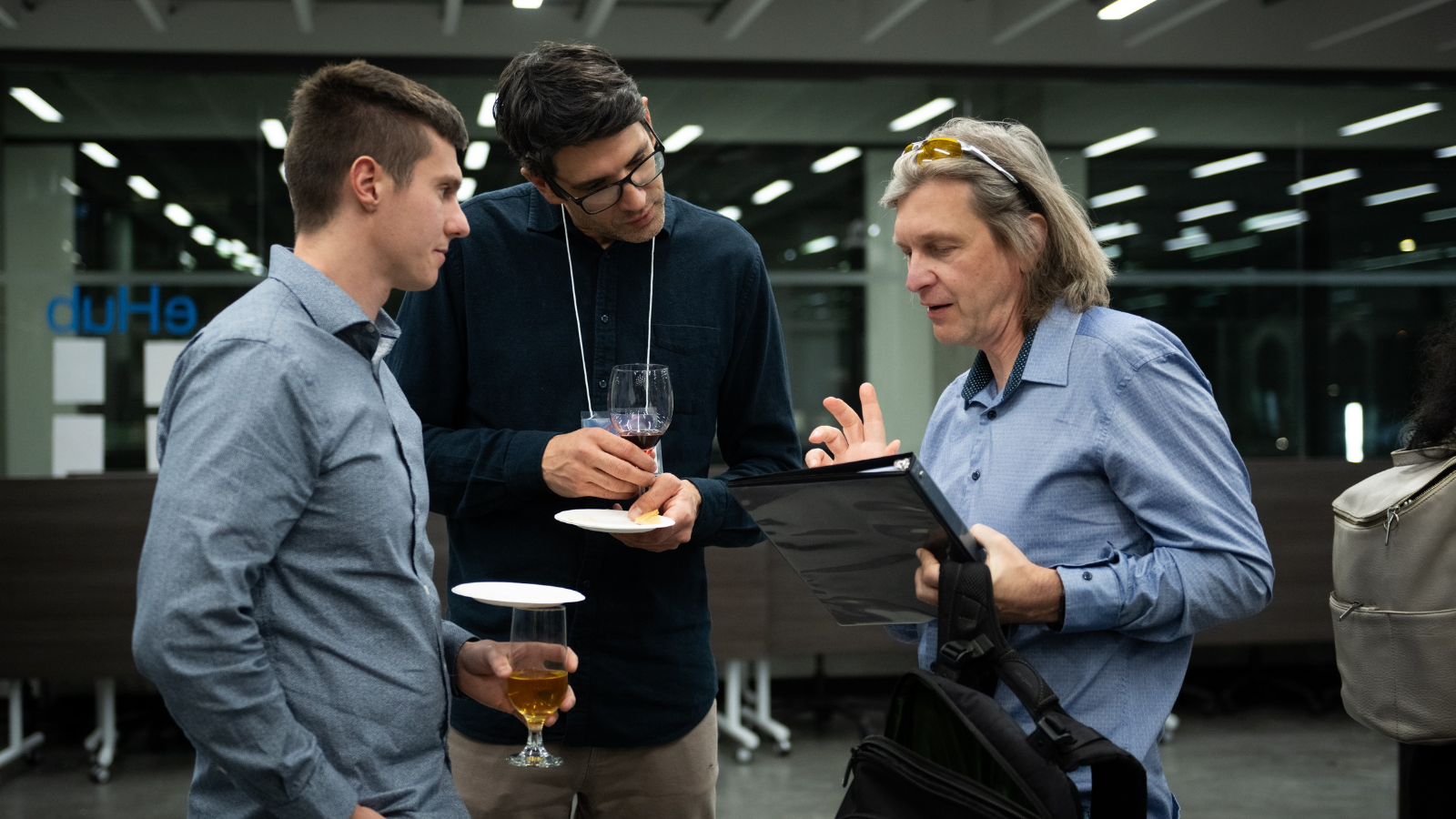
Key elements of the Faculty of Science’s entrepreneurial ecosystem
Successes like these are no accident. They’re an outcome of a combination of talented research teams, along with an innovation ecosystem with the experience to help make commercialization possible.
Universities can be a key part of that ecosystem. “Everything that we’re building here at the Faculty of Science is in response to the issues that we saw first-hand building Northern Nanopore in 2020,” says Briggs.
To help nurture and incubate the Faculty’s entrepreneurs, a range of Faculty-specific programs has been developed over the past several years, including:
- The Graduate Entrepreneurship Experience Program (GEEP), which helps graduate students explore the potential of their research, often through an initial market analysis.
- The Entrepreneurship Bridge Fund to help early-stage research advance toward commercialization.
- A formal agreement that supports access to services, lab space and other resources to incubate and accelerate the trajectory of companies such as Northern Nanospore, PanThera and EcoSafeSense. The Faculty even has a series of labs being used by larger international companies.
These supports have had an outsized impact beyond the Faculty of Science: Two companies being incubated in these programs are from the faculties of engineering and medicine.
“You don’t have to be a uOttawa spinoff to work with us. If it’s a science-based company, we’re happy to support in any way we can” says Tabard-Cossa.
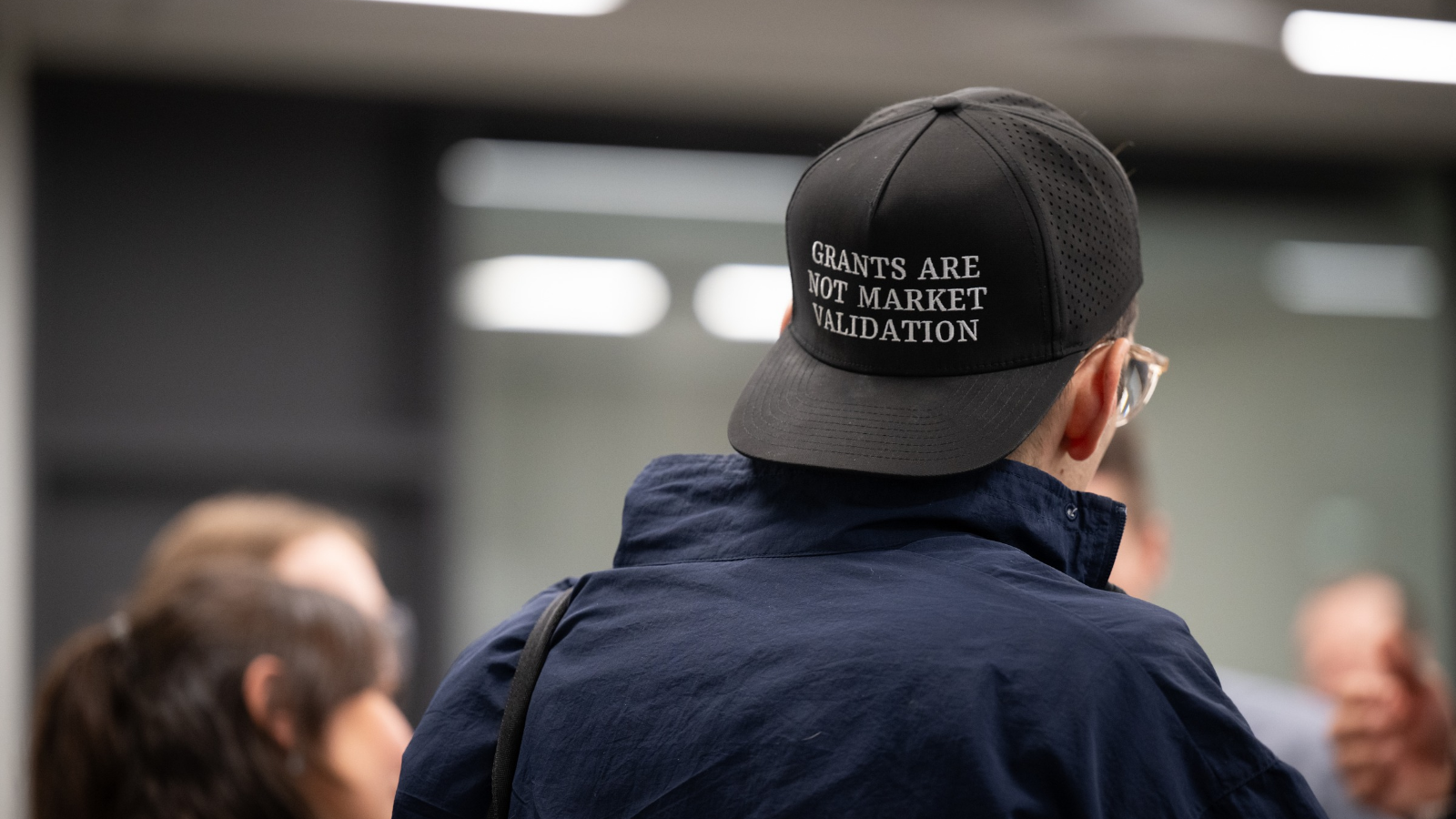
Be ‘first to hear about the next big thing’ in scientific innovation
The Faculty’s growing ecosystem will continue to evolve with its upcoming Discovery to Innovation (D2i) event, which showcases the latest research from professors and graduate students looking for entrepreneurial mentorship. Their work could shape the future of health sciences, biotechnology, photonics, quantum technologies, and more.
Keynote speaker Rob Ben, a Faculty of Science professor, will share his journey of launching PanThera in 2017.
“People who want a sneak peek at the next startups that are going to be created over the next six months to a year – this is where they need to be,” says Tabard-Cossa.
The event’s audience will include investors, funders, fellow entrepreneurs, potential co-founders and community leaders. Briggs says the researchers and students who will be in attendance are at the stage where they’re now ready “to find the right people that can help them take the next step toward commercializing their research.”
After all, an experienced angel investor knows they invest in the team and its potential, not just an idea or prototype. The resulting close relationships can help the enterprise enormously because “scientists are not trained in business development,” says Tabard-Cossa.
Briggs coaches presenters to pitch beyond the “how” of the science to what businesspeople and funders want to know: why this breakthrough will have a commercial and societal impact.
“If you want to be the first to hear about the next big thing that might change our world, come and attend,” adds Tabard-Cossa.