Genomadix’s CEO says the Ottawa biotech firm that rose from the ashes of Spartan Bioscience should start turning a profit by next year after recently signing a deal to license some of its IP to a New Brunswick company. Fredericton-based LuminUltra, which specializes in technology that rapidly identifies microbes that can cause legionnaires’ disease and […]
Already a Subscriber? Log in
Get Instant Access to This Article
Become an Ottawa Business Journal Insider and get immediate access to all of our Insider-only content and much more.
Genomadix’s CEO says the Ottawa biotech firm that rose from the ashes of Spartan Bioscience should start turning a profit by next year after recently signing a deal to license some of its IP to a New Brunswick company.
Fredericton-based LuminUltra, which specializes in technology that rapidly identifies microbes that can cause legionnaires’ disease and other illnesses, acquired Genomadix’s legionella bacteria testing business earlier this summer.
The deal also gives LuminUltra the right to develop and commercialize further tests based on Genomadix’s patented technology that can measure the presence and quantity of legionella with laboratory-grade sensitivity.
Genomadix chief executive Steve Edgett says it’s all part of the Ottawa company’s long-term strategy to focus on commercializing “precision medicine” tests for cardiac and stroke patients conducted with its signature product, the Genomadix Cube.
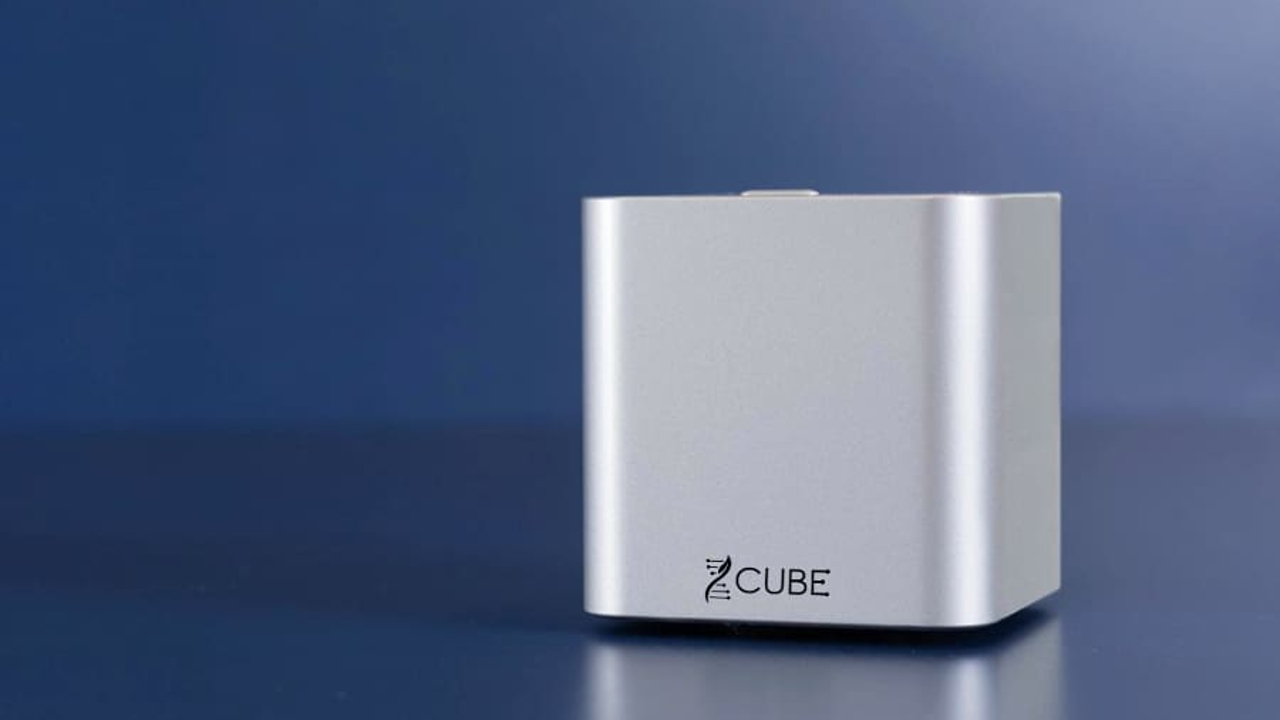
The coffee cup-sized lab-in-a-box is engineered to extract, amplify and identify genetic material in about an hour.
“They’ll basically pick up the baton where we left off,” Edgett said of LuminUltra, which has committed to developing more tests on Genomadix’s open platform.
“We’re just too small to be able to develop all of those different verticals ourselves and develop all the tests. So we wanted to make sure that the technology can be monetized in all of those areas. The best way to do that is to license the technology to strategic partners.”
Edgett says he’s hoping the deal with LuminUltra is the first of many such licensing agreements for Genomadix, which is seeking partners to use its platform to create tests tailored to other health-care segments such as animal health, food safety and infectious diseases.
Under the agreement with LuminUltra, Genomadix will receive a percentage of the revenues from any new rapid tests the New Brunswick-based company develops using Genomadix’s CubeX open platform.
While he expects it will be at least a couple of years before Genomadix sees significant income from the licensing agreement, Edgett predicts that money from partners such as LuminUltra will eventually account for as much as 40 per cent of his company’s annual revenues as more and more new products based on its rapid-testing technology hit the market.
“It allows us to generate many more tests in those various markets than we could ever do on our own,” he explained. “We get a smaller piece of a much bigger pie, essentially.”
Developed by now-defunct Spartan Bioscience, the hand-held Cube can be adjusted to target different genes in an effort to detect a wide range of pathogens.