Businesses and officials in Eastern Ontario are bracing for potential fallout from the sweeping tariffs proposed by U.S. President-elect Donald Trump, whose inauguration will be held Monday.
Already a Subscriber? Log in
Get Instant Access to This Article
Become an Ottawa Business Journal Insider and get immediate access to all of our Insider-only content and much more.
Businesses and officials in Eastern Ontario are bracing for potential fallout from the sweeping tariffs proposed by U.S. President-elect Donald Trump, whose inauguration will be held Monday.
Trump’s proposed tariffs of 25 per cent on Canadian goods could disrupt key sectors in the region, including manufacturing and agriculture, both of which rely heavily on cross-border trade.
“We have a lot of goods that are going back and forth across the border multiple times,” said Ann Weir, economic development manager for the United Counties of Leeds and Grenville. “This is a factor for many of our manufacturing and agricultural businesses and the ripple effect could impact other sectors as well.”
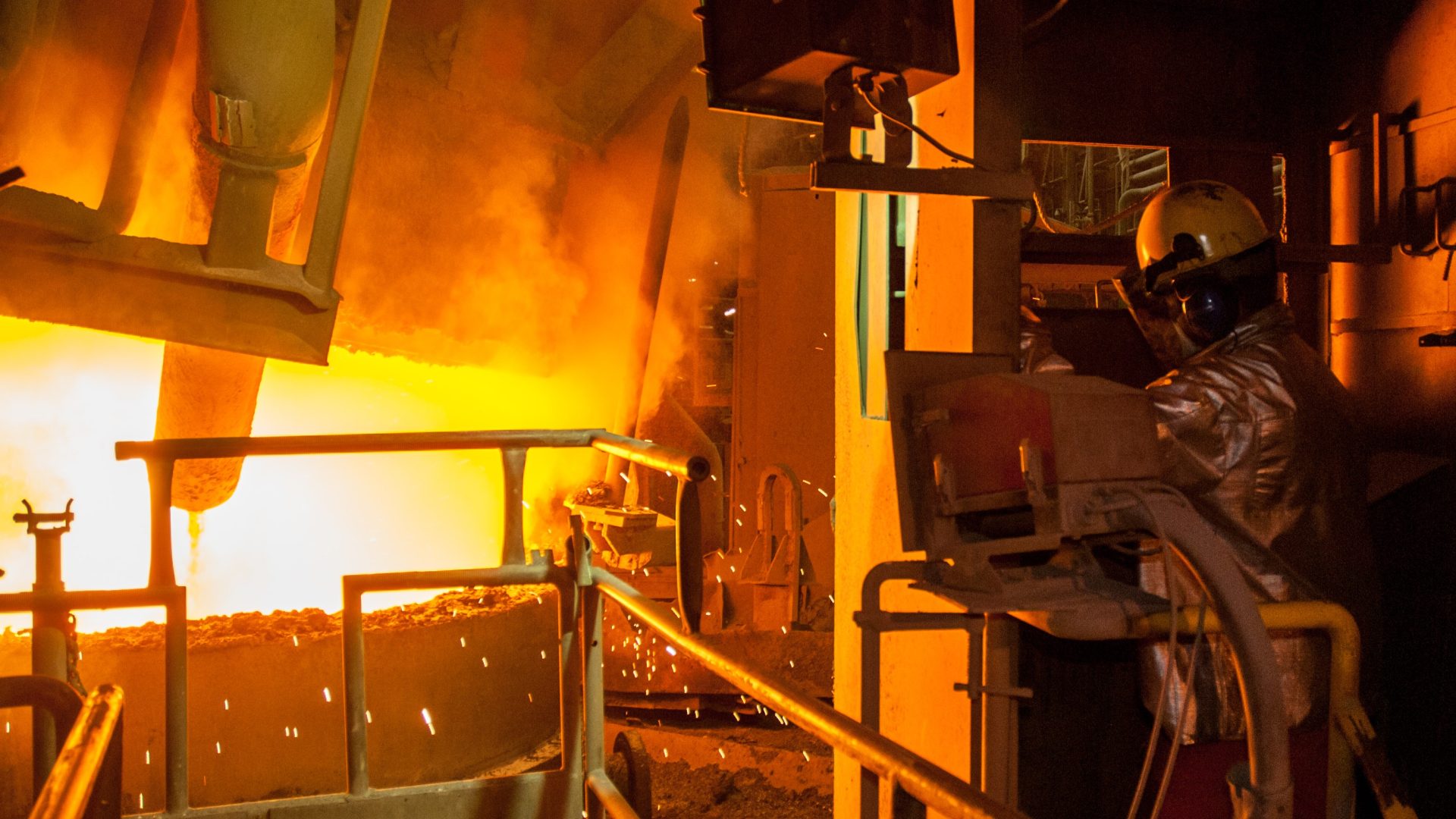
Frédéric Perron, a spokesperson for Ivaco Rolling Mills in Hawkesbury, said the company’s approach is to prepare for the worst while continuing discussions through official channels.
“At this point, the strategy we have is to advocate to governments (U.S. and Canada) through our own resources and with the support of the Canadian Steel Producers Association,” Perron said. “We’ve lived through such 25 per cent tariffs on steel products back in June 2018 and learned from this experience. Discussions with our U.S. customers are ongoing and some are also advocating on their side with their local officials.”
Perron noted that detailed planning is necessary given the uncertainty of the tariffs’ implementation. “We will finalize our strategies as we get closer to the presidential inauguration,” he said.
Other companies are exploring contingency plans. Julia Gamble, vice-president of finance at Voltari Electric, an electric boat manufacturer in Merrickville, said her company is preparing for potential disruptions.
“Like most things that are going to be slapped with a tariff, it would be raw materials, like steel or lumber,” Gamble said. Voltari has considered leveraging its U.S.-based operation in Florida to handle some of its manufacturing needs. “That’s our backup plan. It’s been a loose plan for years to eventually have some manufacturing over there, but we’re still evaluating our options.”
Weir noted that while some companies may have contingency plans similar to those of Voltari, relocating jobs and operations isn’t feasible for most manufacturers, particularly smaller ones, and could have long-term repercussions for the region.
“Not all manufacturing can just flip on a dime,” she said. “To go through that process — sourcing a site, building infrastructure, recruiting — takes the term of a presidency. It’s not an overnight solution.”