Get Our Email Newsletter Local news about the companies, people and issues that impact business in Ottawa and beyond delivered to your email inbox.
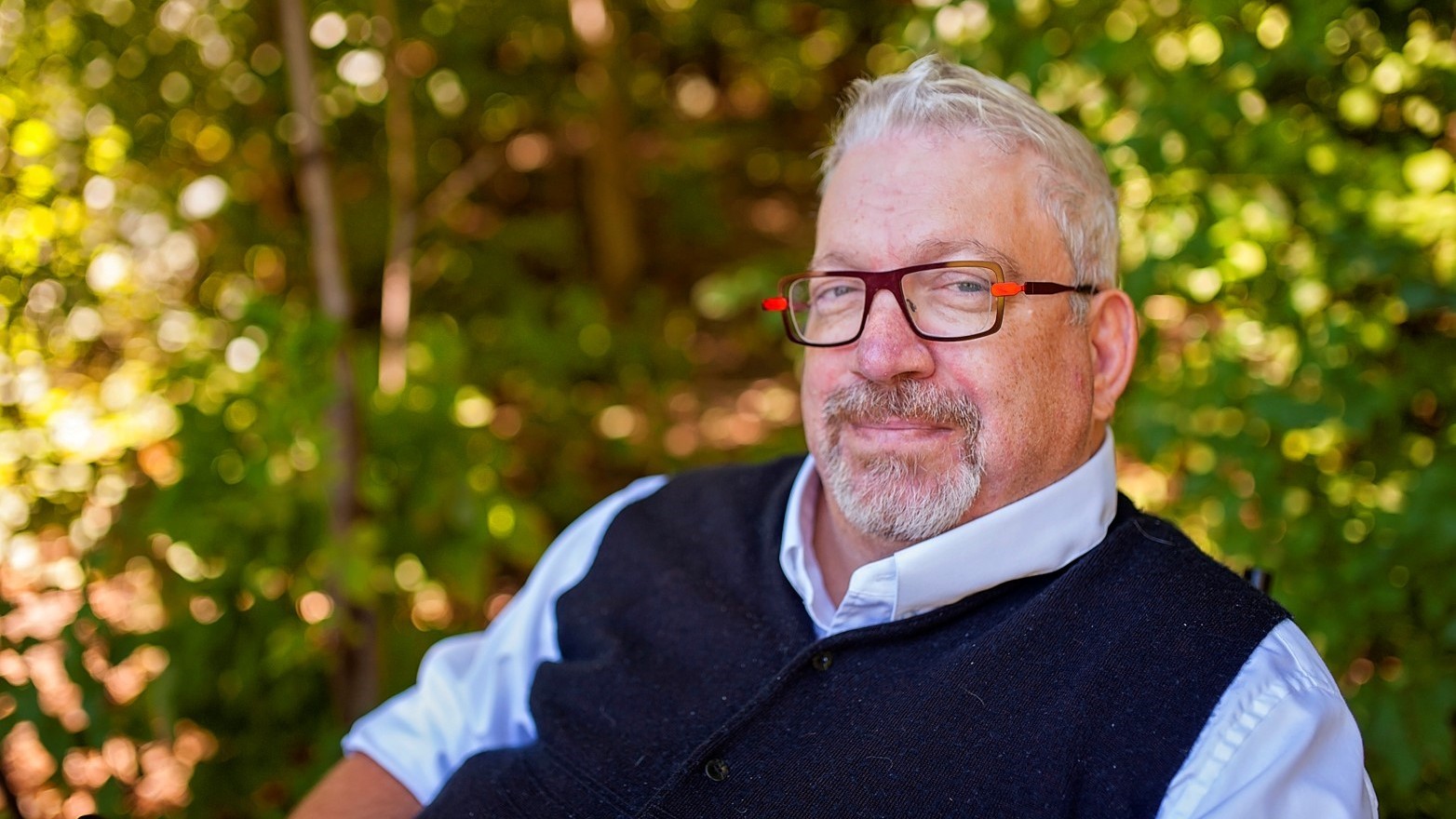
When Max Brault helped launch the Accessible Canada Act in 2019, artificial intelligence was not on anyone’s radar. But seven years later, the consultant says businesses are keen to adjust their accessibility guidelines, now with AI in the mix.
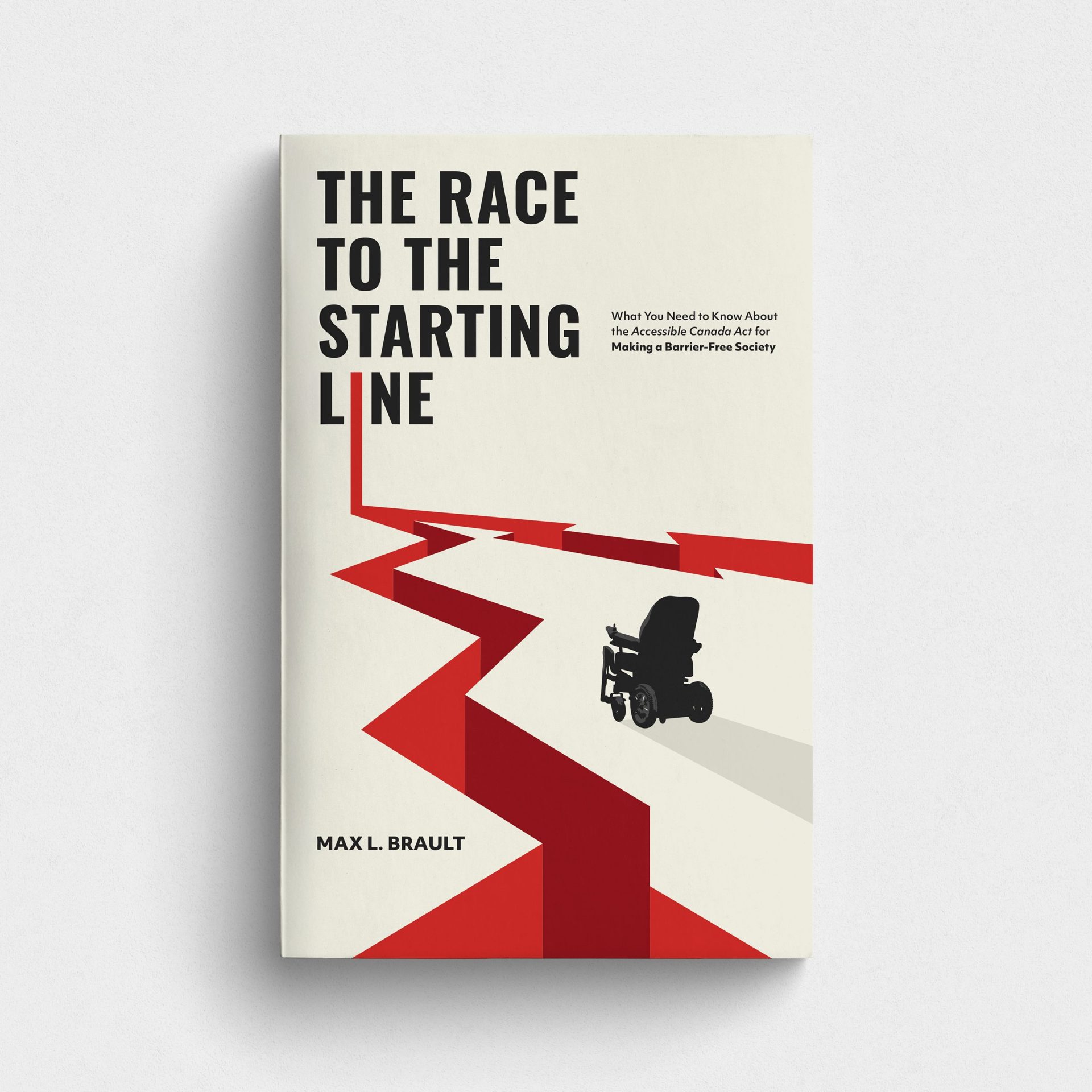
When Max Brault helped launch the Accessible Canada Act in 2019, artificial intelligence was not on anyone’s radar. But seven years later, the consultant says businesses are keen to adjust their accessibility guidelines, now with AI in the mix. “When we were writing the bill, we really didn’t have our heads into AI,” said Brault, a former public servant and current accessibility consultant at Ottawa-based Niewe Consulting. “When you read the original version of the act, AI wasn’t involved.”When the ACA went into effect, Brault said businesses didn’t know where to start, and he’s seeing the same trend now with AI. “On average, I’m fielding anywhere between eight and 10 calls a day,” he said. “We’ve got government agencies and corporations calling. Everyone is somewhat fearful of their communication messages. They don’t want to make a mistake or get something wrong. They want to make sure they get this nipped in the bud, now that they’re relying on AI.”During his time as a public servant and adviser, Brault led the development of a report from the federal government’s Persons with Disabilities Champions and Chairs Committee and contributed to the creation of Bill C-81, which would become the ACA. He has since written a book about the act and his role in its creation called The Race to the Starting Line.In 2019, he left the public service to join BDO as vice-president of people and change, and created BDO Accessibility Consulting, a new business line designed to help organizations meet the standards under the act. Brault, who uses an electric wheelchair, said he made the move because he hadn’t seen many people like him in the business sector. “I really wanted to home in on the many years I had in the government,” he said. “I really wanted to cash in. I wanted to make more money and I really wanted to show the industry that people with disabilities can become a business line. I also wanted to show people with disabilities that you can make a living being in the business sector and representing our community. And I think I did that successfully.”The ACA required all federally regulated organizations to create and publicize an accessibility action plan. The federal government invested millions of dollars to support its implementation. To Brault, it was a business opportunity, and he pitched it as such to several consulting firms before BDO hired him. “I kind of had to sell myself and say, look, this is going to be a new industry that not a lot of people are going to be running into right now and I can make you x amount of dollars over a certain timeframe,” he said.The Race to the Starting Line by Max Brault.“I had no way of proving that, other than knowing that the federal government was going to spend $300 million to $400 million within the first two to three years. That’s a big chunk of change. So I said, if we can get anywhere between two to five per cent of that, we can turn this into a very profitable area for us.”He added, “It was a matter of selling myself and the return on investment of bringing me in.”The federal government ended up spending nearly $2 billion between 2019 and 2025, according to Brault, and BDO’s new business line took off. During Brault’s time with the firm, his team worked with more than 30 government agencies and 20 corporations of all sizes to create accessibility action plans. Brault said BDO also helps clients implement and update elements of the plans. Overall, Brault said his work brought in $13.5 million worth of business to the firm. “It was very successful, and it’s still successful today,” he said. Other consulting firms have adopted similar business models, Brault said, but they’ve also followed his lead by bringing more experts with disabilities on board. “The industry now embraces people with disabilities as being part of the consulting culture,” he said. “Now they have teams of people with disabilities working on this.”
AI and its impact on accessibility
While Brault has watched businesses bring more people with disabilities onto their teams, without proper measures, that progress could backtrack with AI in the mix, he said. “Organizations are asking why we should hire more people when AI is going to assist us,” he said. “Why do we need 50 people when we could have 20 if AI can take on some of the work?”At Niewe, Brault said he’s helping businesses adjust and incorporate AI, without losing sight of inclusivity goals. As companies increasingly integrate AI into various aspects of the business, Brault said they’re trying to keep its flaws top of mind as well. “They’re putting a lot of emphasis and faith in AI and they want to make sure AI meets those expectations,” Brault said. “AI doesn’t understand what disability is. We’ve got to make sure that if you’re going to have a heavy AI focus, that’s taken care of.”As part of his work with Niewe, Brault is again helping companies through an adjustment period. One tool he’s using is the Ableism Debiaser, a platform that checks for bias and exclusionary language in written communications. Created by three people with disabilities, the platform recently won the federal government’s G7 GovAI Grand Challenge, which provided funding to innovative and ethical AI tools. It’s the kind of tool Brault said can help companies find shortfalls in their current accessibility guidelines, something most AI models aren’t well-equipped to do. “If they run that document through their AI tool and ask what’s missing, they’re putting a lot of faith in AI,” he said. “But the ableism tool can identify not just ableism but other things that can be updated to ensure they’re incorporating those concepts. That doesn’t mean it’s going to solve the problem, don’t get me wrong, but it’s going to help them identify where they’re missing the boat.”While the transition won’t be easy, he said the business community has already demonstrated its ability to adjust and adopt better practices to improve accessibility and inclusion. “Things are more accessible, but when we were working on the act, we didn’t see AI coming. There’s something else coming that you and I can’t predict that’s going to hit us in 10 years. We don’t know what that is, but there’s something,” he said. “There is always positive movement and there are always things being done and things that are changing. I have faith that every decade is better than the prior decade and I feel very positive that things are moving forward.”