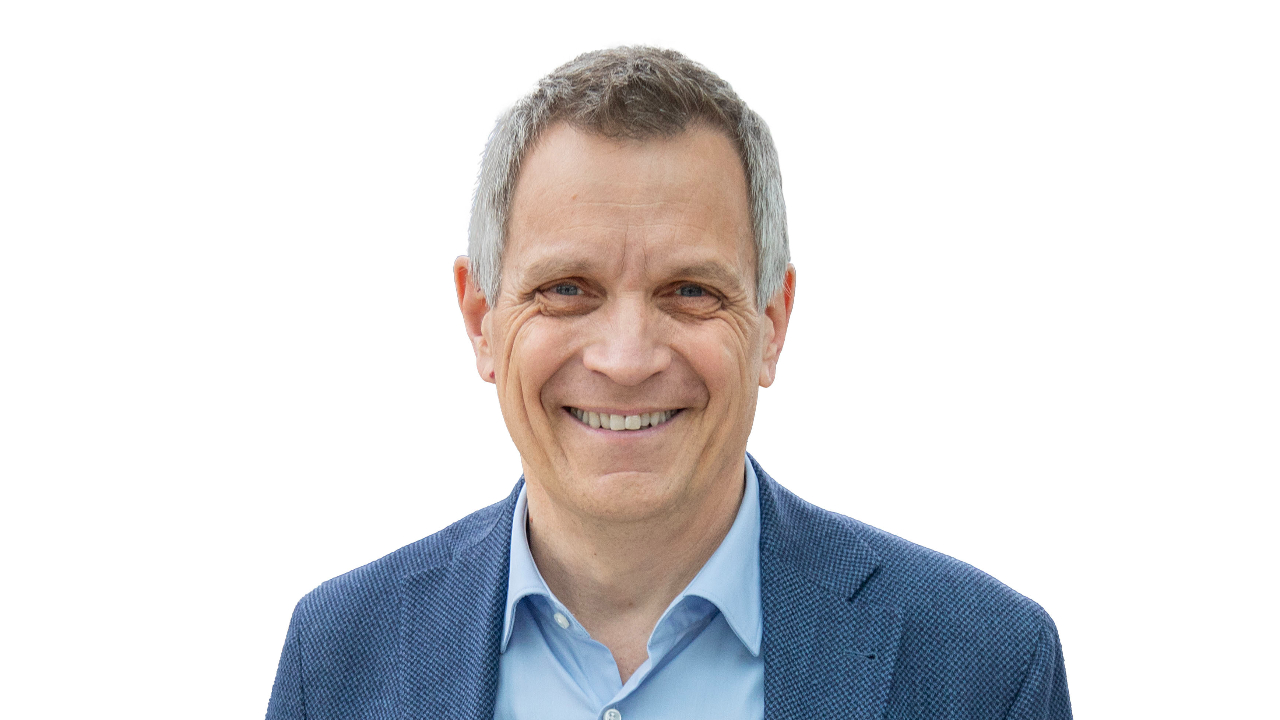
As mayor of Ottawa for the past four years, Mark Sutcliffe said he’s heard countless stories from the business community about how the world around them is affecting their operations.
“There are businesses in Ottawa that are impacted by the tariffs and counter-tariffs. There are businesses in Ottawa that are impacted by the changes to the federal government workforce. There are businesses in Ottawa that are impacted by the toxic drug crisis that is playing out in our streets. There’s just so much happening, and so much changing rapidly, and small business owners in particular are trying to keep up,” he said.
Hoping to continue the work he’s done since being elected in 2022, Sutcliffe has put in his bid to be re-elected in the upcoming municipal election on Oct. 26.
He shared more details on his platform with OBJ, including his positions on issues relevant to the business community. The following transcript has been edited for length and clarity.
What are the main pain points for the local economy as we head into this election?
“First of all, economic uncertainty is the biggest area of concern, with the U.S. tariffs and Canada’s counter-tariffs, with rising costs and with many Ottawa residents experiencing an affordability crisis. I know a lot of business owners are just worried about where the economy is headed, and there’s just so much change happening. So economic uncertainty is a great area of concern. Rising costs for business owners is another area of concern. They’re feeling the effects of inflation and tariffs and other cost pressures. So we need to do everything we can to make it easy and affordable for small business owners to keep doing what they do, which is why I extended the small business tax reduction, which saves the typical small business $3,700 per year. That’s why we waived patio fees this summer, which saved restaurant owners money at a time when their costs were rising and hopefully that stimulated more vibrancy and more patios opening. More broadly, we just have to continue to work hard to strengthen our local economy, attract more direct flights to Ottawa, attract more investment, attract more businesses to the city, attract more events and tourists to Ottawa and just continue to build on our success.”
What would you do in the ByWard Market?
“The ByWard Market has been a huge priority for me. We put out a ByWard Market Action Plan. We need to approach this from a number of different angles. So first of all, we need to invest in the ByWard Market. We’re approaching the 200th anniversary of the Market and we have celebrations planned. So we need to look at the future of the ByWard Market for the next 200 years. The city is committed to examining a couple of key properties in the ByWard Market and looking at how we can enhance and build those properties so that they’re even greater attractions.
“We need to look at how people get to and from the ByWard Market and enhance not only public transit but also make sure that people are still able to drive and park in the ByWard Market. And then, of course, we need to address the safety and security issues in the ByWard Market. So I’ve made that a priority. We opened a neighbourhood operations centre, sort of a mini police station, to serve the ByWard Market. We have invested in public safety, including $1 million to enhance private security in the Market over the next two years. We’ve hired more police officers. We’ve worked with the ByWard Market District Authority. We’ve expanded ANCHOR, the alternative response to mental health and substance use calls so that it now includes the ByWard Market. The results have been good.
“We just had the best-ever August for the ByWard Market in terms of visitors. We’re seeing more people invest in the ByWard Market with new hotels opening, new restaurants opening, the new History Ottawa concert hall. There’s some exciting plans for the former Hudson’s Bay building on Rideau Street. So lots of positive things are happening, but we need to continue to invest in the properties that the City of Ottawa owns, invest in safety and in supporting the most vulnerable and continue to put the ByWard Market on a path back to being what it always has been for our city, which is a real attraction, a real jewel of our city.”
What would be your next steps in downtown revitalization?
“I see downtown and the ByWard Market as one important strategy. I don’t have one strategy for the ByWard Market and one strategy for downtown. There’s a strategy for downtown Ottawa, including the ByWard Market. I’ve talked about how we need to treat the toxic drug crisis and the mental health crisis as an emergency. So I would mobilize the emergency coordination centre to get started on that right away. I would create an emergency task force chaired by a downtown safety czar to lead an emergency response to the situation, bringing people together from all over the community because everybody has a stake in the ByWard Market: residents, business owners, employees, property owners, folks from the social services sector, the hotels.
“We would coordinate our response through ANCHOR and other alternative responses: the police, the paramedics, community organizations, the BMDA, and volunteers. We would do everything we can to clean up downtown and the ByWard Market by reducing retail thefts that are happening in the ByWard Market, make it a safer place for people to visit and make it easier for people to get in and out of downtown and the ByWard Market.
“We also have to continue to attract more people to the downtown core and I think some of the things that we’ve done recently, like the Street Seats program and the Metcalfe Plaza, are doing really well. We have some really strong BIAs that are doing great work right now, so we need to continue to work with them and support their work. I think there’s a huge amount of opportunity and there’s more we can do to attract investment downtown through more office conversions, more development. I think there’s a lot of potential.”
What plans do you have for nightlife/vibrancy and tourism in Ottawa?
“We’re continuing to implement the nightlife strategy. We’ve seen some real success with things like SoundScape, the music festival taking place under the Plaza Bridge. Having a new concert hall, History Ottawa, in downtown Ottawa is amazing. That’s a giant step forward for the city. So the nightlife strategy continues to be implemented and I think we’re seeing very positive results from that.
“From a tourism perspective, we’re coming off one of our best summers ever for tourism, which is great. We need more direct flights. We need to attract more events to the city, more conventions, more visitors. I work very, very closely with Ottawa Tourism on that and we’re starting to see the results of some of the work that has been done over the last couple of years to attract events like Ironman Canada and the World Junior Hockey Championships and the World Wheelchair Basketball Championships. There are many more events like that in the pipeline, which is very exciting.
“I think the Sommet de la Francophonie is potentially a real game-changer for Ottawa as well, to put Ottawa on the map of francophone tourists around the world and make sure they understand that Ottawa is a bilingual city and that we have a rich francophone culture. I think there’s the potential for that event to be a real turning point in showing the world that this is a great destination for French-speaking tourists and we can bring more events in the future. And 2028 will be an amazing year because it’s not just about the Sommet de la Francophonie itself, but the other events that we can build around that: cultural events, technology events and other things like that. So we need to continue the great work that’s happening, being led by Ottawa Tourism and by the Rogers Centre Ottawa. We also need to continue our expanding partnership with the City of Gatineau. We have an opportunity to promote this as one economic region, one region for visitors and tourists. I’m looking forward to working with the mayor of Gatineau to continue building on the agreement we signed last month to make this one economic region.”
What do you propose doing for the housing sector?
“I’m going to be putting out my housing plan in the next week or so. Of course, we have already made extraordinary progress on housing as a city. A year-and-a-half ago, I launched the housing innovation task force. They came to us with a series of recommendations that led to the housing action plan, which which was adopted unanimously by city council with 53 different measures in it to streamline the approval process, reduce and defer fees, eliminate barriers to development of new housing and just make it easier and cheaper to build homes in Ottawa, including supportive and affordable homes. That was a big step forward and we’re already seeing the benefits of that. The housing starts were up 38 per cent in Ottawa in 2025, even though they were down across the province of Ontario, so we bucked the provincial trend. They’re already up another eight per cent so far this year, so that’s encouraging. We need to continue that momentum.
“We’ve had a particular focus on building affordable housing and supportive housing and I want to speed up the rate at which we’re doing that. I want to build 10,000 affordable units this decade, so 10,000 more than we had in 2020 by 2030. I want to build 650 supportive housing units in the next five years. We’ve been signing deals with the other levels of government, including being the first city in Canada to sign a deal with Build Canada Homes, the $400-million agreement that I signed with Prime Minister Mark Carney at the Mayor’s Breakfast last December. We need to continue to work with our partners at the other levels of government to make it easier and more affordable to build housing in our city.
“I’ll mention one other thing, which is we’re still negotiating the final details, but we have a plan working with the provincial and federal governments to reduce development charges in Ottawa by perhaps 50 per cent or more in order to stimulate more building of homes as well. We’ve been very, very aggressive about making it easier and cheaper to build homes in Ottawa and I’m going to continue doing that if I’m re-elected.”
What type of support might you offer the tech sector?
“We have a huge opportunity right now. We have an opportunity around Ottawa’s growing and expanding technology sector. We have an opportunity around defence and cybersecurity and we need to fully capitalize on that opportunity. And this is an area I’ve been involved in the economic development file in Ottawa for 25, 30 years, long before I became mayor, as the chair of the board of trade, as the co-chair of Invest Ottawa. I’ve been very, very active in driving economic development for our city. We need to continue to capitalize on that opportunity.
“I’m very excited about some plans we have to strengthen the mandate of the Kanata North Business Association. There’s the potential for that, based on recommendations we got from Bloomberg, to really strengthen what they’re doing and help them attract more businesses to our special economic zone in Kanata. I’m very excited about what we can do in the defence innovation space. A lot of people focus on the Defence, Security and Resilience Bank, but it’s much more than that. We have a defence innovation ecosystem in Ottawa and in Gatineau with 330 companies and we have the potential to attract a lot more investment right now around that.
“I think something that’s really important to mention is if we’re going to drive growth in the technology sector in Ottawa, one of our greatest advantages is our quality of life. It’s not just about economic development and attracting investment and those kinds of things. It’s also about protecting and enhancing our quality of life in Ottawa. The Globe and Mail said Ottawa had the best quality of life of any major city in Canada in a recent report. We need to protect and enhance that. We need to continue to build great parks and recreation. We need to make it easy to get around the city. We need to build better public transit. We need to make the technology park and Gatineau and other major employment hubs accessible by transit. Somebody comes here to go to university, they love living here, they decide to stay, they start a company, or they go work for an existing technology company. That’s the kind of advantage we have over many other cities.”
How would you help to grow defence and security in Ottawa?
“We have a strategy being led by Invest Ottawa and we’re partnering with the City of Gatineau on this. We have a plan for attracting investment, for attracting talent and companies and for expanding Area X. O., for working with the universities on research and innovation. It’s a very comprehensive plan and we have the potential to attract potentially billions of dollars of investment into Ottawa, creating thousands of jobs. And again, we’re going to make a very, very strong bid for the Defence, Security and Resilience Bank and I think Ottawa-Gatineau is the best place in Canada to locate the bank for many, many reasons. But it’s not just about that bank; it’s about the ecosystem of companies we have that are innovating. We need to do everything we can to support that right now and that’s what Invest Ottawa is doing.”
Anything else to add?
“I would just mention that, as a small business owner myself, as someone who was an entrepreneur for 30 years before I ran for office, I understand the needs and concerns of small business owners in our city. As someone who spent decades working on economic development and supporting the economic development efforts of the board of trade, Invest Ottawa and Ottawa Tourism, I have a unique skill set and I have unique experience that I bring to this job. I maintain a focus on building a stronger economy, because we can’t build better public transit, a more compassionate city that responds to the needs of the most vulnerable or do anything as a city unless we have a strong and vibrant and diversified economy. So that is one of my greatest priorities and it will always be as the mayor of Ottawa.”