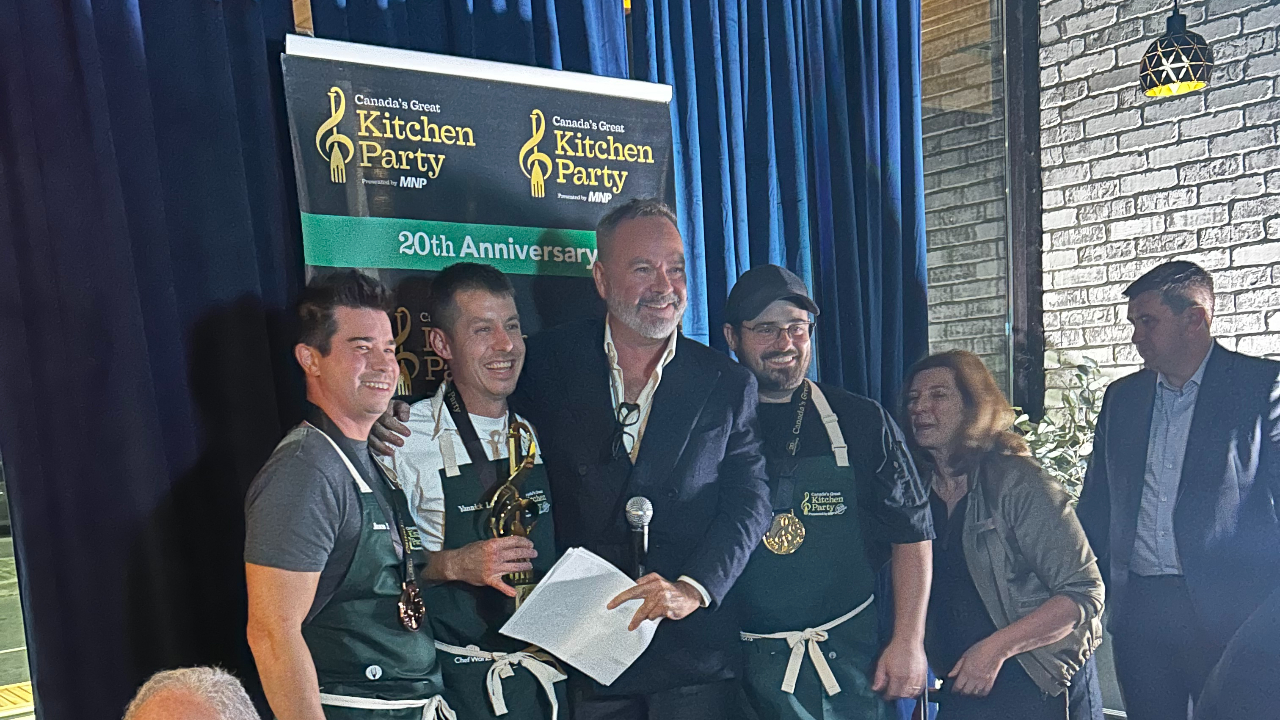
Jason Sawision of Stofa with the bronze medal, Ian Carswell of the Black Tartan Kitchen with the silver medal and Yannick La Salle with the gold medal at the 2026 Great Canadian Kitchen Party event. Photo by Jordan Pizzuti.
Get Our Email Newsletter Local news about the companies, people and issues that impact business in Ottawa and beyond delivered to your email inbox.
Last evening, Ottawa held the 20th anniversary edition of the Great Canadian Kitchen Party, marking two decades of celebrating Canadian chefs, culinary innovation and competitive spirit from region to region, with all competitors having their sights set on a gold medal at the Canadian Culinary Championship. The event invites some of the best chefs from […]
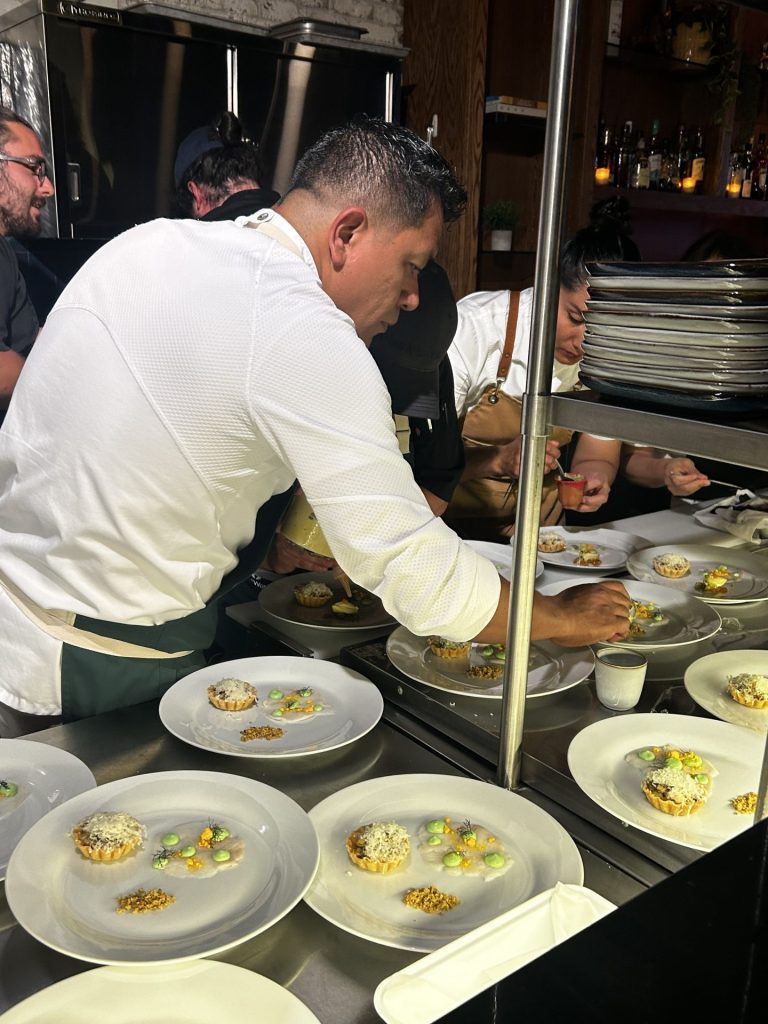
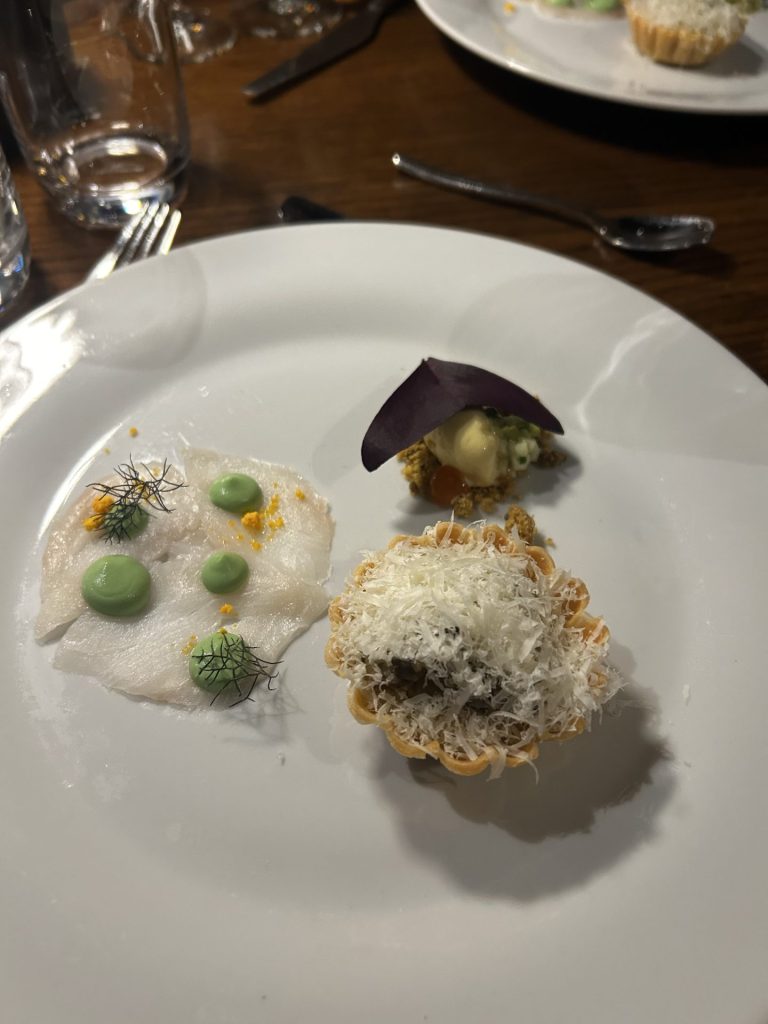
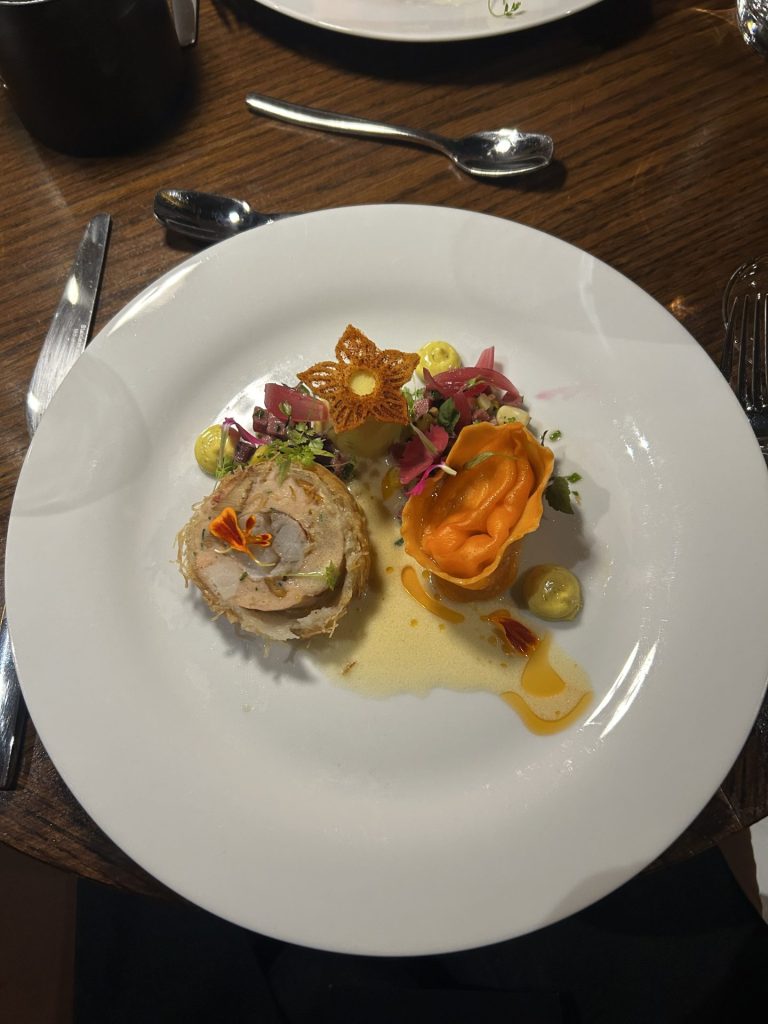
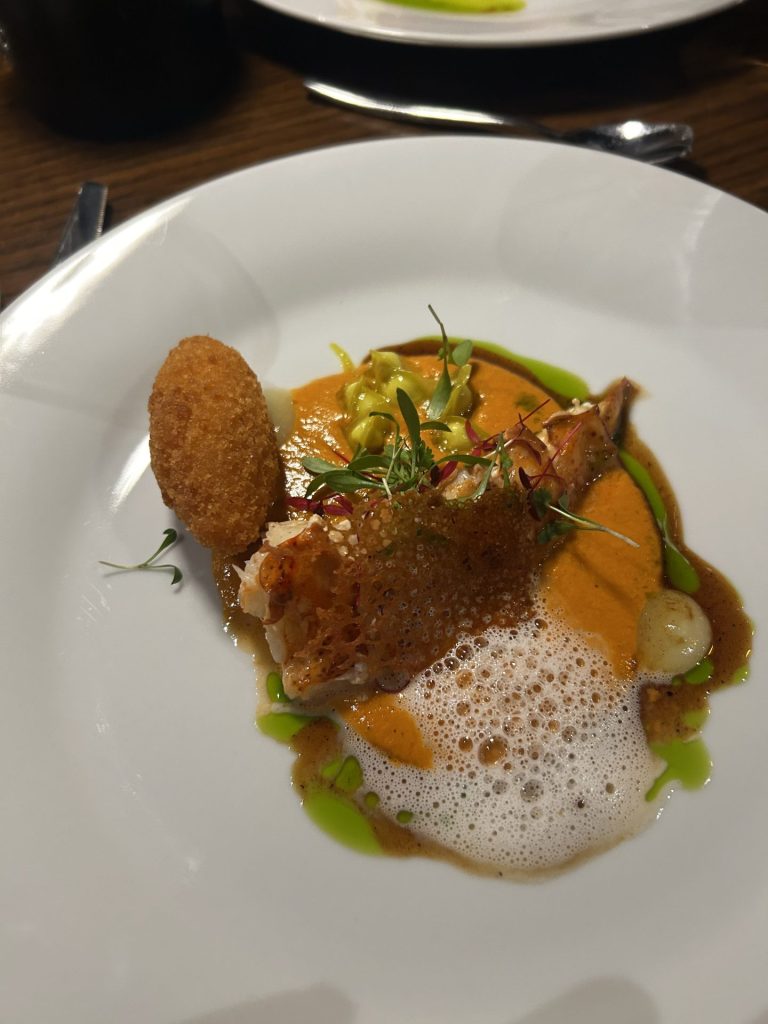
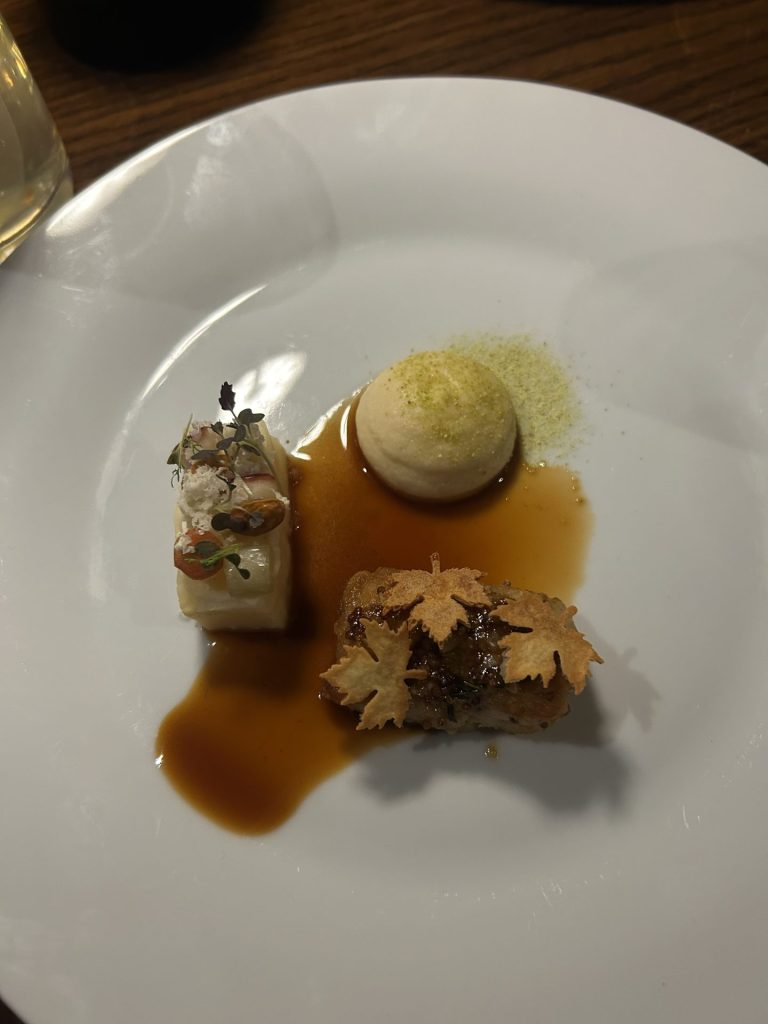
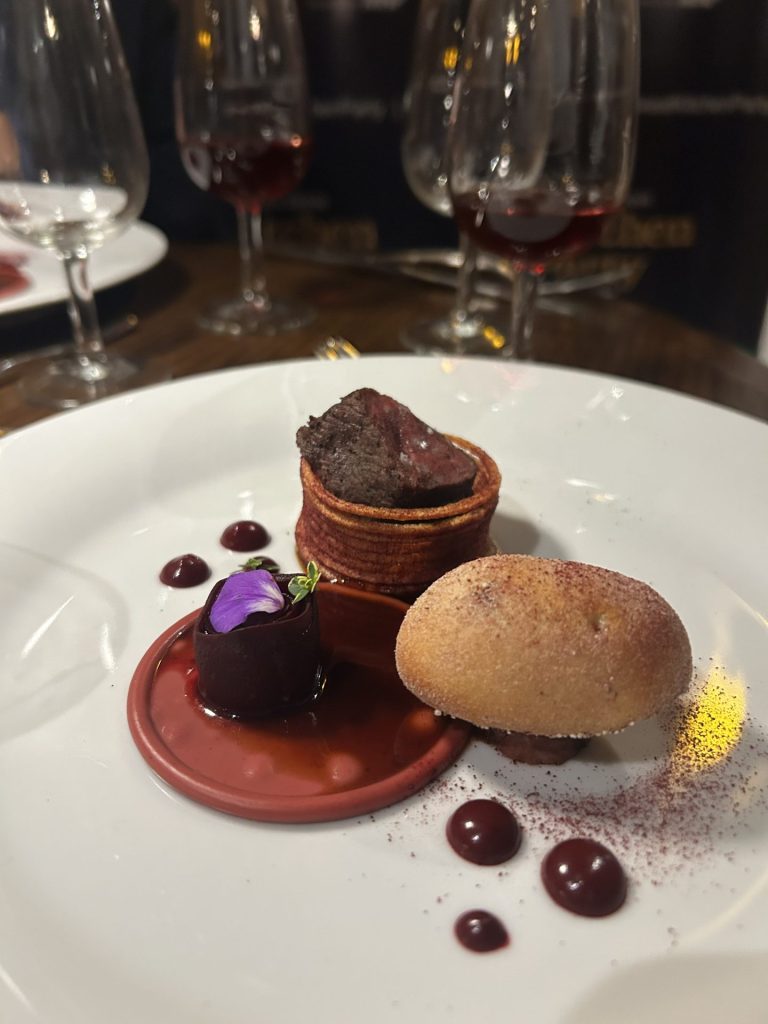
Last evening, Ottawa held the 20th anniversary edition of the Great Canadian Kitchen Party, marking two decades of celebrating Canadian chefs, culinary innovation and competitive spirit from region to region, with all competitors having their sights set on a gold medal at the Canadian Culinary Championship.The event invites some of the best chefs from across each region to create a dish that, if chosen, will allow them to compete alongside each region’s “chef of distinction” — a competitor from years past who is considered a cut above for his or her accomplishments. Ottawa’s Marc Lepine of Atelier, one of the evening's blind judges, waited to hear, along with the rest of us, which capital city representative would join him for the two-person culinary cook-off in January.This year's event was held at Raphael Peruvian Cuisine and raised money for MusiCounts, an organization dedicated to keeping music alive in schools and communities across Canada by putting musical instruments into the hands of children who need them most.The event began with a passed dish from Lepine: a creamy and bright hamachi crudo with green aguachile. Paired with a welcome beverage of traditional-method sparkling wine from The Grange in Prince Edward County, the dish was exactly what you’d expect from a two-time Canadian culinary champion. It also took a playful shot at a fellow West coast competitor, with a “Vancouver Sucks” edible element in the dish.The five competitors — Lizardo Becerra of Raphael, Jason Sawision of Stofa, Joe Thottungal of Coconut Lagoon, Yannick La Salle, chef at the Supreme Court of Canada, and Ian Carswell of Black Tartan Kitchen — came prepared with competition-level dishes and a wine pairing for the judges to taste blind.Their dishes would be judged on six criteria: presentation (out of 20); texture (out of 10); taste (out of 40); technique (out of 10); beverage compatibility (out of 10); and wow factor (out of 10), for a total possible score of 100.I was tasked by my editor to choose my winner — the chef who I felt would best represent Ottawa alongside Lepine at the Canadian Culinary Championship. Unlike the judges, I was privy to more information about the order of competitors, contents of the dishes and the wines that would be paired with each meal.First on the docket was Raphael owner and chef Becerra. Representing the host venue and leading the way is no small feat, but Becerra is no stranger to competition. In fact, he was the regional gold medallist in 2024.Lizardo Becerra at the Great Canadian Kitchen Party event on Sept. 21, 2026. Photo by Jordan Pizzuti.Becerra served a plate of three bites: a sablefish usuzukuri and manila clam tart, aged wild B.C. sablefish crudo, and a manila clam gelato. The three bites were paired with a number of accoutrements, with the highlight being a pistachio, dill and fennel emulsion that was dotted on the sablefish. The manila clam tart was oceanic, umami-forward and delicate. When paired with the manila gelato, it created a unique usage of temperature contrast that resulted in a delicious dish. Becerra’s dish seemed to stray from the style of food found on his menu and instead felt intentionally crafted for competition. As I write this, I’m still uncertain of whether this was a good or bad decision. The dish was undoubtedly delicious, but it seemed perhaps too disjointed from the heart and soul of what Becerra’s cooking is all about. Becerra’s M.O. with his food is storytelling. Every dish is connected to emotion and memory. With this dish, he claimed to pay homage to the ocean and the fishermen — which he accomplished — however, part of me was missing the bright vibrancy that is Raphael Peruvian Cuisine. Becerra's sablefish usuzukuri and manila clam tart, aged wild B.C. sablefish crudo, and a manila clam gelato. Photo by Jordan Pizzuti.Up next was Sawision of Stofa. I’ll spare you the laundry list of ingredients included in his dish, but the core was a kataifi-wrapped lobster and langoustine torchon (a fried phyllo pastry-wrapped shellfish centrepiece), a creamy lobster agnolotti filled with potato and mascarpone, a corn and smoked beef tongue salad, and a pair of sauces — one with passionfruit and vermouth, the other a vadouvan curry.Sawision’s inspiration came from GCKP regional research. He claimed that, throughout the years across various competitions, beef, corn, potato and lobster were continuously main themes in many of the dishes. Jason Sawision's dish. Photo by Jordan Pizzuti.Sawision’s dish definitely felt more like a “competition” dish, but an expertly executed one. The balance of colour, texture, acid and spice left me satisfied with every bite. The corn and beef tongue salad felt like a southern succotash and brought salinity to the dish, where the pair of sauces accounted for sweetness, fat, acid and spice in a perfect harmony.Sawision also managed to put out one of the better textural dishes of the night in my opinion. This one was going to be tough to beat.Third on the itinerary was a dish from Thottungal of the Coconut Lagoon. A lobster dish in the more traditional sense came from the kitchen this time. Bay of Fundy lobster tail sat on a bedplate of roasted tomato and bone marrow sauce that I wish I could hook up to an IV drip straight into my bloodstream. Thottungal paired this with preserved moringa pearls, a coconut-yuca croquette, tamarind, a maple gastrique and cilantro oil.Joe Thottungal's dish. Photo by Jordan Pizzuti.Thottungal’s goal was minimal waste. He used every part of the lobster and the moringa across multiple components of the dish and he did so successfully. His dish appeared simpler at first glance than the two previous dishes, perhaps even more classic. It was in its own right absolutely delicious, but I feel as though its simplicity may have held it back in terms of competition cooking. Would I pay for this on a restaurant menu? One million times over. However, I’d also expect it on a restaurant menu, which I think is what ultimately held it back in my mind.Chef four was the one with whom I was least familiar, La Salle of the Supreme Court of Canada. You’ll notice that throughout this piece I’ve yet to mention the wine pairings! While every wine was delicious, La Salle’s dish was the first time I felt the wine was exceptionally complimentary to the dish. The lightly macerated chardonnay from Quebec’s Eastern Townships played the perfect highly acidic companion to La Salle’s dish.La Salle presented one of the night’s most “stripped down” dishes as far as ingredients go. Veal sweetbreads with local ingredients: maple syrup that he tapped with his children, apples that he picked with his children, and local celeriac, mustard and horseradish. The theme for La Salle was to thank his children and the terroir. It was a simple task that was executed to the highest regard. When trying to compose such a bare dish, every element needs to be perfect — and every element was. Yannick La Salle's dish. Photo by Jordan Pizzuti.The celeriac puree was one of the silkiest I’ve ever eaten. The sauce was well-seasoned, velvety and just a touch sweet, and the mustard provided a textural pop and tartness that rounded the dish out. From a pure flavour standpoint, this was the tastiest dish in my opinion, but I worried about its competitive “wow factor.” That being said, the wow factor for me came from the flavour and execution of the dish. The sweetbreads were soft and tender, the textural additions were well thought out and intentional and the saucework was beautiful. This dish was among the top for me.The final dish of the night was executed by Carswell of the Black Tartan Kitchen in Carleton Place. Carswell paired his dish as well if not better than the previous dish and was my favourite wine of the evening. The Blaufrankisch from Rosewood in Niagara, a chilled red, was delightful both on its own and when complimented by Carswell’s dish and I will be stocking up on it for my personal cellar.Carswell finished the evening with our first red meat forward dish of the evening. He explained to the crowd that being someone who grew up in a small town and who now owns and operates a restaurant in a small town, he was raised on a love for meat and potatoes.The goal of his dish was to re-compose the classic meat and potatoes, and wow did he do so.Veal was served in three renditions to recognize our entrance into hunting season: the centrepiece medallion wrapped in potato foil, the veal “perch,” and shredded veal stuffed into a specially baked bread that was executed to emulate a raw potato. The entire dish was paired with beets and haskaps for earthiness, sweetness and a deep purple colour that jumped off the plate. A final seasoning was added to pay homage to Canada’s greatest export, the all-dressed chip, which rounded out an already stellar dish.Ian Carswell's dish. Photo by Jordan Pizzuti.Carswell knocked this one out of the park, in my eyes. It was incredibly tasty, thoughtful, unique and it’s something I’d want to eat again, and again, and again. It was well-paired with the wine, texturally smart and a true representation of the chef himself. I loved this dish.So, who were the winners? It was a very close race, separated by just a few points!The people’s choice, as voted on by the non-judge diners, was the event host, Lizardo Becerra of Raphael Peruvian Cuisine.In the bronze medal spot was Jason Sawision of Stofa, with Ian Carswell of the Black Tartan Kitchen taking silver. And this year's gold medallist, the chef who will join Lepine at the Canadian Culinary Championship, was none other than Yannick La Salle.I love these choices. In fact, in a close race of my own, these were also my exact top three choices. However, I had a different winner.My personal choice was Ian Carswell of the Black Tartan Kitchen. Unfortunately, Carswell will not get to compete at the Canadian Culinary Championship this year as the result of my judging, but he does get the very mild and somewhat insignificant satisfaction of knowing he was my favourite. This event marked another milestone in pushing Ottawa’s hospitality scene in the right direction and, when Ottawa competes for gold in January, it will be on the shoulders of Lepine and La Salle to show the rest of the country what Ottawa really has to offer.Jordan Pizzuti has been a local Ottawa food writer, content creator and hospitality professional for over 10 years. Through his “best of” series, Jordan has cemented himself as an expert in Ottawa hospitality and nightlife. He continues to promote the Ottawa hospitality scene through his “Are We Having Fun Yet?” brand and his work with OBJ.