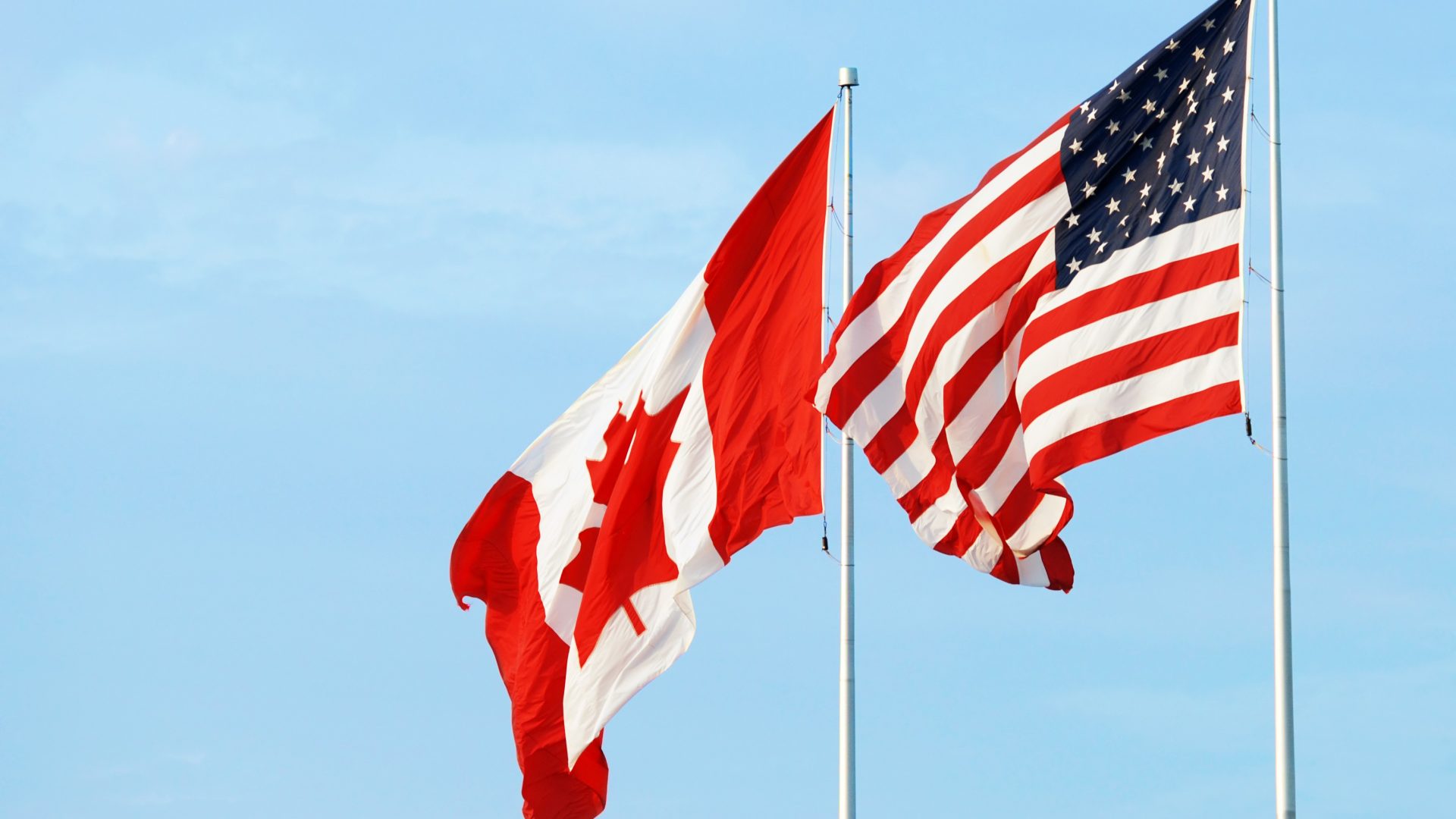
Local businesses are backing the federal government’s hard line on U.S. tariffs, despite lingering uncertainty over investment and hiring decisions.
Already a Subscriber? Log in
Get Instant Access to This Article
Become an Ottawa Business Journal Insider and get immediate access to all of our Insider-only content and much more.
Local businesses are backing the federal government’s hard line on U.S. tariffs, despite lingering uncertainty over investment and hiring decisions.
“I think the word of the week is uncertainty,” said Marci Surkes, chief strategy officer and managing director at Ottawa-based government relations firm Compass Rose. “Businesses trying to make decisions and simply being unable to based on the level of uncertainty they feel.
“There is concurrently a high degree of support for the Government of Canada’s decision to levy counter-tariffs on American products.”
The trade war entered a new chapter on Tuesday as the Canadian government introduced retaliatory tariff measures in response to U.S. tariffs introduced in August. In response to Canada's retaliatory tariffs, U.S. President Donald Trump signed new executive orders to completely bar imports of certain Canadian goods.
Based in Ottawa, Compass Rose works with a variety of business clients, from national defence and pharmaceutical companies to small businesses and not-for-profit organizations. In the Ottawa area, Surkes said manufacturers are feeling the most pain, but added that all those who rely on a functioning supply chain are struggling.
“It’s not just sectors like auto manufacturing, it’s all the knock‑on impacts on industries and all of the workers that benefit in those communities,” she said. “They are absolutely feeling the pain already and that’s not likely to abate.”
According to Surkes, clients across the board support the Canada-first approach of Prime Minister Mark Carney and his government, both in walking away from the negotiating table and in implementing retaliatory measures.
But she added that the support could have a time limit.
“The government is benefiting from that goodwill right now, but the goodwill is not necessarily translating into bullishness either among businesses who are struggling with how to comport themselves and where to go from here,” said Surkes. “They are not seeing any end in sight and they are not seeing the results yet quickly enough of the government’s efforts to diversify to new markets.”
In the coming weeks, Surkes said the government will need to work quickly to implement the policy goals it has already outlined. One goal she’s watching is the federal government’s promise to grow its non-U.S. export market by 50 per cent, which she said will require the kind of investment businesses need.
“To reach their own stated goal of 50 per cent non‑U.S. exports requires huge amounts of investment in ports, in rails, in roads and every way that we move goods around and out of this country,” she said. “We need major projects on the electricity grid, like that partnership (to expand the Churchill Falls hydroelectric project) to be able to generate the energy and electricity that Canada and our neighbours need going forward.”
Businesses are also looking for more tangible relief, similar to measures taken during the COVID-19 pandemic, but on a smaller scale.
“There have been calls to see strategic sectoral support and relief akin to what we experienced during COVID,” she said. “I’m not sure that the Government of Canada is prepared to go to the same lengths that it did in COVID times, but there is definitely space there for the Government of Canada to do more to support workers.”
Surkes pointed to reskilling as one of the supports businesses would like to see from the government as the Canada-U.S. relationship becomes less predictable.
“(We need to) ensure that workers are kept productive to ensure that we remain productive,” she said. “We should be getting folks into new trades or new circumstances as we pivot from a very traditional Canadian‑American relationship into a new, less certain one.”
Shortly after the U.S. imposed its initial round of duties in August, Canada’s major banks reported third-quarter earnings that were largely positive, with the lenders pointing to a resilient economy while saying the trade tensions were manageable.
On the consumer side, although higher prices are expected on a range of products imported from the United States, Matt Poirier with the Retail Council of Canada says it will take time for stores to work through existing inventory and begin stocking newly tariffed goods.
"There's an inventory that's just been juiced up, so it's going to take time for that inventory at those prices to go through," said Poirier, the industry group's vice-president of federal government relations. "Once that inventory is sold or expired, that's when Canadians could start to see prices increase."
Items with a shorter shelf life and other fast-selling products will likely see prices rise first, followed by durable goods with slower turnover like ovens and washing machines, he added.
With files from The Canadian Press