Aviation industry leaders, government officials and other stakeholders will gather in Ottawa next month in a year marked by geopolitical tensions and high costs.
Already a Subscriber? Log in
Get Instant Access to This Article
Become an Ottawa Business Journal Insider and get immediate access to all of our Insider-only content and much more.
Aviation industry leaders, government officials and other stakeholders will gather in Ottawa next month in a year marked by geopolitical tensions and high costs.
Last week, the International Air Transport Association (IATA) and the National Airlines Council of Canada (NACC) announced that they will host Aviation Day Canada on Oct. 8 at the National Arts Centre.
It will be the second edition of the biennial event, which first launched in Ottawa in 2024.
“We wanted a forum where we could have some very senior, high-level discussion around the state of air travel in Canada, where improvements needed to be made, where reforms needed to be put in place, the sort of quote-unquote state of the union of the sector,” Jeff Morrison, president and CEO of NACC, told OBJ.
The event will bring together 300 delegates from across Canada to the capital. The guest list includes representatives from airlines and airports, as well as regulators, aviation stakeholders and government officials.
“As a key enabler of tourism, regional connectivity, business development, and national integration, air travel plays an essential role in the country’s prosperity,” according to the IATA website. “It is therefore imperative that Canada take timely and decisive action to implement policies that will advance a more sustainable, accessible, and competitive aviation sector.”
Morrison said the past year has been especially challenging for the industry.
“There have been all kinds of geopolitical shocks that have impacted Canada's airlines,” he said. “Whether that be the situation in Iran, which has caused aviation fuel prices to skyrocket, or, of course, the ongoing slowdown in the U.S. travel market, which is having an impact on airline routes. And winter is not that far off, but we still have essentially almost no travel to Cuba, which used to be one of Canada's major markets.”
At the same time, he said structural issues at home continue to persist, raising concerns for airlines and passengers alike.
“We still believe that the Canadian system is structured such that it lacks competitiveness,” said Morrison. “It's still too expensive to operate in Canada. We don't have the infrastructure we need. There are a lot of regulatory barriers that are preventing airlines from being able to deliver full service.”
Morrison said all these issues will be discussed at this year's forum, which will present an opportunity for stakeholders across the board to speak with senior aviation leaders and regulators alike.
“I think what makes this event stand out is just how senior the speakers will be,” he said. “I think what delegates can expect is some very high-level thoughts and perspectives and discussion around all of these key issues.”
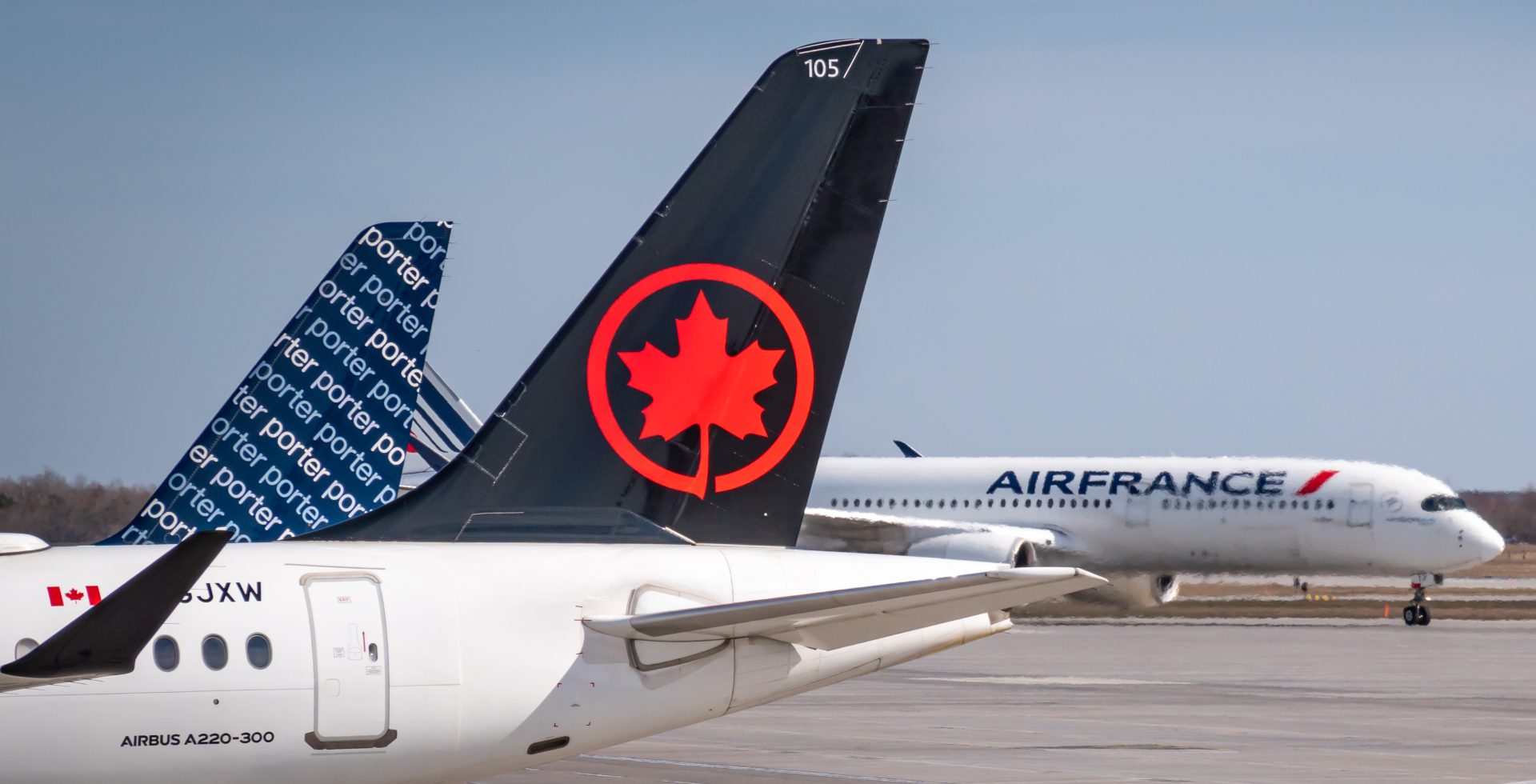
The leaders of major airlines like Air Transat, WestJet, Air Canada and Porter Airlines will attend alongside leaders from Toronto Pearson International Airport and other major airports across the country.
Among the speakers is Michel Boyer, director of stakeholder engagement at the Ottawa International Airport Authority. Others include Erin O’Gorman, president of the Canada Border Services Agency; Jeff Morrison, president and CEO of the National Airlines Council of Canada; and Julie Mailhot, president and CEO of the Air Transport Association of Canada (ATAC).
Key topics of discussion will include competitiveness, affordability and passenger rights, as well as sustainability, connectivity, airport infrastructure and governance.