Get Our Email Newsletter Local news about the companies, people and issues that impact business in Ottawa and beyond delivered to your email inbox.
I sat down at a small restaurant a few blocks from my hotel, somewhere west of the Bund in a Shanghai neighbourhood where I didn’t see any other tourists. There was a laminated QR code on the corner of the table, so I opened AliPay, scanned the code and a menu translated into English opened on my phone.
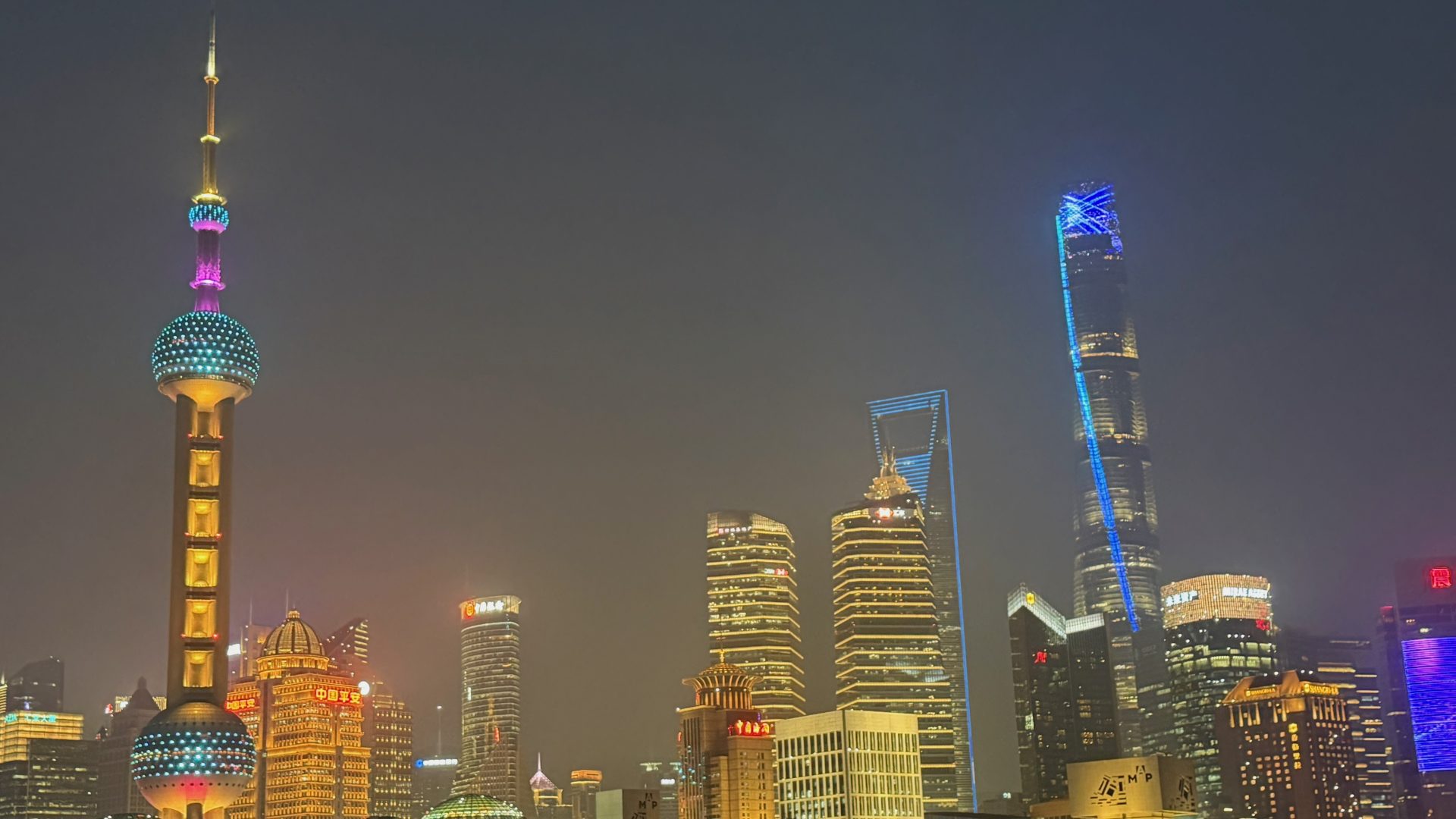
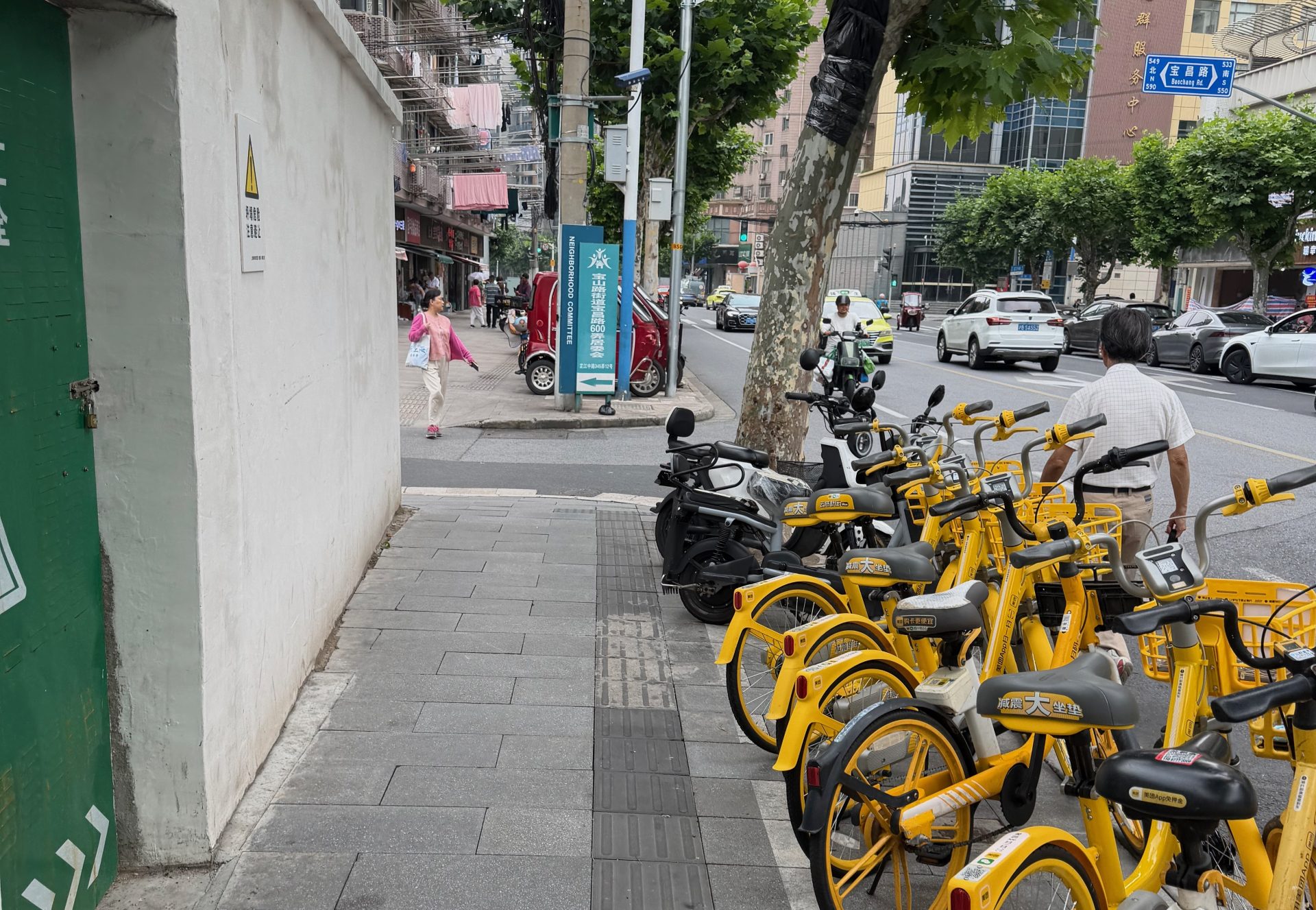
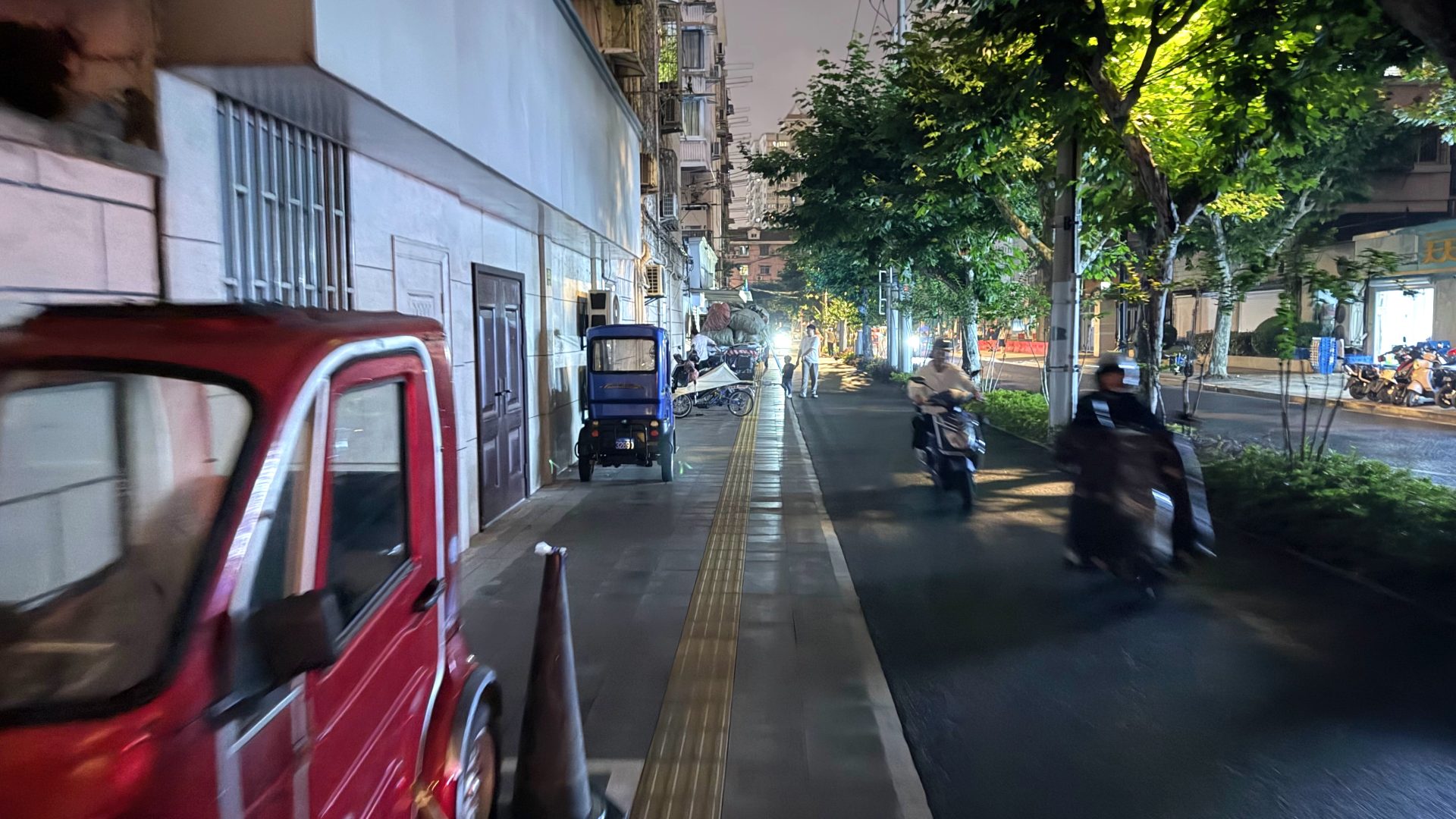
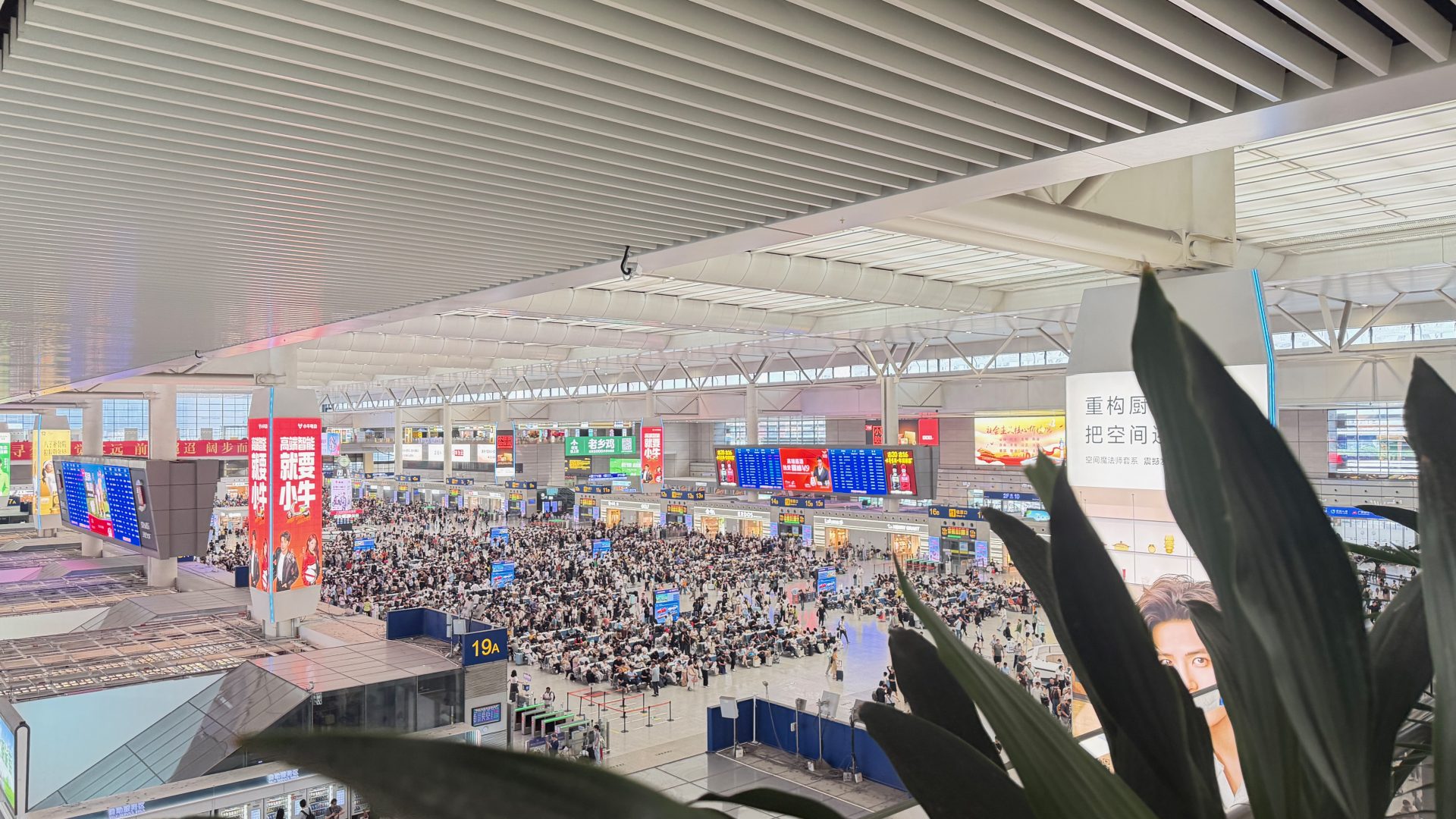
I sat down at a small restaurant a few blocks from my hotel, somewhere west of the Bund in a Shanghai neighbourhood where I didn’t see any other tourists. There was a laminated QR code on the corner of the table, so I opened AliPay, scanned the code and a menu translated into English opened on my phone. I tapped what I wanted, paid for it in the app and a few minutes later a bowl of spicy beef noodles arrived. I said xie xie, the server nodded without needing to thrust a bulky debit machine in my face and I ate my food. I spent a week in Shanghai in mid-June and that moment ordering noodles perfectly captured something I ran into all week. Shanghai may not be a shining cyber-punk metropolis like Shenzhen. Instead, it’s a massive, messy and complicated city full of normal people living normal lives. But it has managed to solve a handful of problems that we in Ottawa are still debating and I couldn’t help but notice the contrast as an Ottawa tech reporter walking the streets.My hotel was a 12-minute walk from the nearest metro station along a busy road outside the tourist circuit. I made that walk every morning. There were a lot of wires overhead, but I got used to them. The buildings were not in great shape in many places but it didn’t seem to matter because the street-level part of every building was packed with businesses. I walked past a convenience store, then a fruit vendor with melons and oranges on tables. There were a few noodle shops and a stall hung with dried seafood. There was a hardware store with buckets of loose screws on display on the sidewalk and an e-bike mechanic with e-bikes parked all over the sidewalk. Trees lined the sidewalk the entire way and there were bushes and flowers. The amount of green along the ordinary road caught me off-guard for a city of 24 million people. Ottawa could take note because the trees and bushes provided shade and cooling in the 30-degree Celsius summer heat. One piece of Shanghai I never got fully used to were the e-bikes. These are electric scooters, which means they are completely silent and glide noiselessly over pavement. They go through red lights. They use the sidewalks. They don’t slow for pedestrians, especially the delivery drivers. I learned to look both ways every time I stepped off the curb or even out of a store because I never knew if an e-bike was going to be zipping along at that moment. Ottawa is thankfully spared this kind of traffic, but it did bring up questions about our car-centric city. Bicycles in Shanghai. Photo credit: Nathan DrescherOnce I reached the metro station, I found it clean and busy. There were ticket vending machines where I chose my route by tapping a screen with my destination station, scanning my AliPay QR code, and for three yuan (less than $2), it spat out a ticket, which itself had a QR code. Scan this at the turnstile, and I was in. The stations themselves were utilitarian but clean. Shanghai opened its metro in 1993. By 2013, the network covered more than 900 kilometres of track and tunnel, making it the most extensive public transit system in the world. Ottawa opened its LRT in 2019 and is still working through problems.My first night on the Bund blew me away. This is an old colonial stretch of the city along the Yangpu River, originally built by the British in the 1840s following their victory in the Opium Wars. Today, it’s a trendy tourist spot filled with cafés and bars and overpriced international hotels. This is also where the city really hit me. I came up out of the metro station at dusk where, just across the river, the modern Pudong district skyscrapers were lit up with digital lights and animations, while the Oriental Pearl Tower glowed in pinks and blues and purples. The Bund itself was lit up end-to-end in more nuanced and softer lights. The promenade was packed and people seemed to keep showing up as the night went on. I found a covered walkway with wooden poles and vines growing overhead to block the sun in the daytime. At night, strings of Edison bulbs were hung along the wooden beams and I found a bench and sat there with a Tsingtao beer and watched the river. I thought about how many years Ottawa has spent talking about doing something with its own waterfront. Shanghai just did it.I also thought about downtown Ottawa at night. The ByWard Market after dark can be sketchy. Our downtown has traditionally turned into a ghost town when office workers go home. Shanghai was the complete opposite. It felt magical and businesses were open all night. People stayed out and spent money and enjoyed the night. Entire families with little children were out. The police helped it feel this way. Shanghai’s police cruisers and motorbikes roll slowly along the streets at all hours with their flashers on as a constant, visible reminder of police presence. Everyone knows the cops are there. I thought this was a great form of crime prevention. But the police are also friendly. I saw an officer help a mother and her children across a crosswalk one evening, stopping the deluge of e-bikes to let the family through. I asked one cop for directions using my translation app and he happily pointed me in the right direction. A street in Shanghai. Photo credit: Nathan DrescherThe payment system really got me. Back at that noodle shop west of the Bund, I paid for dinner by scanning a QR code on the table. Then I stopped at a convenience store on my walk back to the metro for a bottle of water. I used the QR code on my AliPay app for the cashier to scan and the money was transferred immediately from my account to the store. It took twenty seconds. In Canada, I use Apple Pay, which is convenient and safe, but still requires a lot of infrastructure and hoops to jump through. Before I left Canada, I loaded a Wise international bank card with money and attached it to both WeChat and AliPay because my Canadian bank and credit cards were rejected outright. Apple Pay feels like a prototype after a week using China’s system. AliPay and WeChat are China’s super apps. This is a category of app that does not exist in the West. WeChat is a social network, messaging app, notetaker, payment app, banking system, dating app and everything in between. AliPay is focused on commerce, but it’s filled with mini-programs, which are apps inside the app. Didi, which is China’s version of Uber, runs as a mini-program if you don’t want the full app. Grocery delivery, train tickets, food delivery, museum tickets and bike rentals all run inside these apps. I simply open the app, choose what I want and pay for it right there in the app. It’s incredibly convenient. It wasn’t all easy sailing. I bought a travel eSIM from Trip.com, China’s AI-powered foreigner-friendly travel system, and it came with unlimited 5G data and a built-in VPN for $35. I never had a problem accessing TikTok or Google or YouTube while I was in China, but it did not give me a local phone number and this meant I could not register for food delivery. Both AliPay and WeChat Pay required a mainland China number for this. I learned this my first night in my hotel room after a gruelling 30-hour flight and I was exhausted and starving. Thankfully, a friend, a Chinese woman in a different city, ordered me noodles right to my hotel from her own AliPay app. The fact that she could easily do that from 1,000 kilometres away in a different province made me realize what a connected economy looks like. I used AliPay to order a Didi on my last morning in Shanghai for a trip to Hongqiao Railway Station, one of the busiest high-speed rail hubs in Asia. A car appeared, just like with Uber, and we were off. It crawled through Shanghai traffic for nearly an hour and I realized this is where Shanghai still struggles, just like with every big city in the world. I also noticed a lot of electric vehicles: BYD, Geely, Tesla and a dozen brands I’ve never heard of. But there were a lot of conventional gas-powered vehicles as well. China is not some fully electrified utopia yet, but the share of EVs on the road runs past anything I have ever seen in Canada. An airport in Shanghai. Photo credit: Nathan DrescherMy take is that Shanghai is not the future. It is a world-class city up there with New York, London and Tokyo, but it’s still just a city. However, it’s a city that looked at several specific problems and fixed them at-scale without much ceremony. It has a highly functioning and affordable transit system that it considers an essential service. It has an incredibly frictionless payment system. It has EV transformation well underway. More importantly, it has a downtown that is alive and feels safe after 8 p.m. Ottawa is obviously not Shanghai and never will be, but walking those streets I kept thinking about some of the things Ottawa could do to make the city better for everyone. Public transit and a thriving downtown with lights are a good place to start.My high-speed train from Hongqiao was scheduled for that afternoon, so I wandered the massive railway station, which is bigger than Ottawa’s airport. I went looking for a coffee and I stopped in my tracks when I found a Tim Hortons. I had to check it out. It looked and felt like a cleaner version of Timmies than I’m used to back home. I passed by and went to China’s Luckin Coffee next door.