Get Our Email Newsletter Local news about the companies, people and issues that impact business in Ottawa and beyond delivered to your email inbox.
After securing the land for an affordable housing development in the Glebe, a local non-profit housing provider is turning to private partners and community members to get the project off the ground.
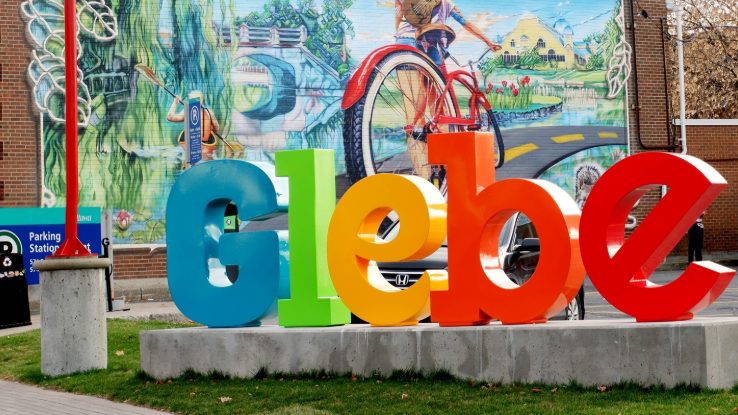
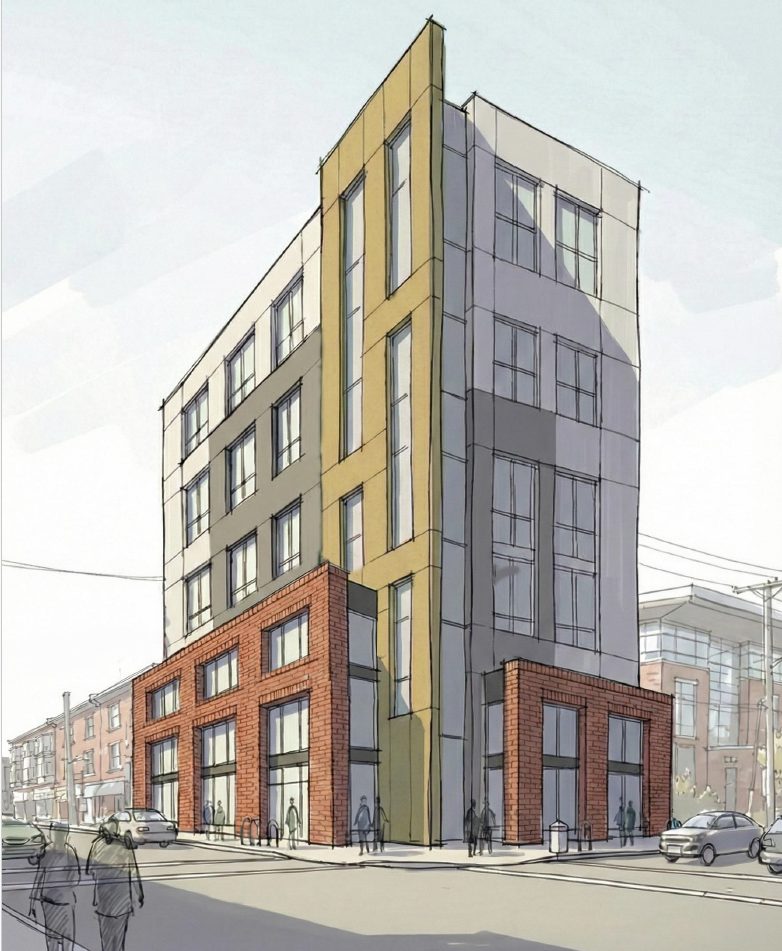
After securing the land for an affordable housing development in the Glebe, a local non-profit housing provider is turning to private partners and community members to get the project off the ground. Earlier this month, the Centretown Citizens Ottawa Corp. (CCOC) received approval from city council to acquire ownership of a portion of land at 574 Bank St.Located behind the colourful Glebe sign at the intersection of Bank Street and Chamberlain Avenue, the 690-square-metre lot is currently the site of a parking lot. CCOC plans to transform the lot by building a nine-storey mid-rise building with approximately 85 residential units, 30 per cent of which will be affordable. With the land now secured, CCOC executive director Sarah Button said the real challenge of funding the development phase of the project has begun. “It costs an enormous amount of money and that’s usually one of the biggest hurdles we have to overcome in the non-profit development space,” said Button. “We don’t have a lot of free access to capital and the government programs that support us … we don’t get that money until we start digging. We have to figure out how to get from zero to construction on our own.”The 52-year-old non-profit’s portfolio currently includes more than 50 properties across central Ottawa. Button said the organization recently set a goal to add 850 new homes by 2034. The Bank Street project, she said, is part of that effort. “We were chatting with someone from (Capital Ward Coun. Shawn Menard’s) team about another potential partnership that we pursued that didn’t end up coming together,” said Button. “And they said, ‘The ward is really interested in affordable housing, and have you seen this parking lot?’”While the location was ideal, the lot was too small for a viable development, Button said. So the organization turned to long-time partner McDonald Brothers Construction Inc., which purchased the adjacent lot at 578 Bank St. The organizations intend to amalgamate the two properties as part of the redevelopment project. On the new site, CCOC would own and operate the residential units, while 578 Bank Street Holdings would own and operate the ground-floor commercial units. Concept drawing of a proposed development at 574 Bank St. SuppliedAt a time when housing construction is high on the city’s priority list, Button said this kind of ownership agreement could set a new standard for other non-profit developers. “With this project and the time, there’s an opportunity to lead the way as far as what these partnerships between non-profit housing providers and private-sector builders can look like in terms of accelerating the delivery of non-market housing,” said Button. “We get to be one of the first projects to do this, and do it in a way that’s really exciting.”When it comes to funding, CCOC is following a model set out by others in the sector: turning to the community to raise capital. Button said the organization recently launched a community bond campaign to collect funds to support pre-development work on its projects. The community bond model, which has been used by local organizations such as Ottawa Community Land Trust, offers accessible investment opportunities to anyone from individuals and small businesses to non-profits and large corporations. “What’s cool about community bonds is that they let individuals in the community invest in these projects to help keep them going,” said Button. “They’re not donations; these are loans that we have to pay back. But it’s basically like community-mobilized financing. There’s effectively a source partner in this and that partner is the community.”Over the next couple of months, Button said CCOC will work with the city and McDonald Brothers to finalize the land transfer and partnership agreements, while the development plan and design are also finalized. While development planning is unpredictable, Button said she hopes to see shovels in the ground by the end of 2027.