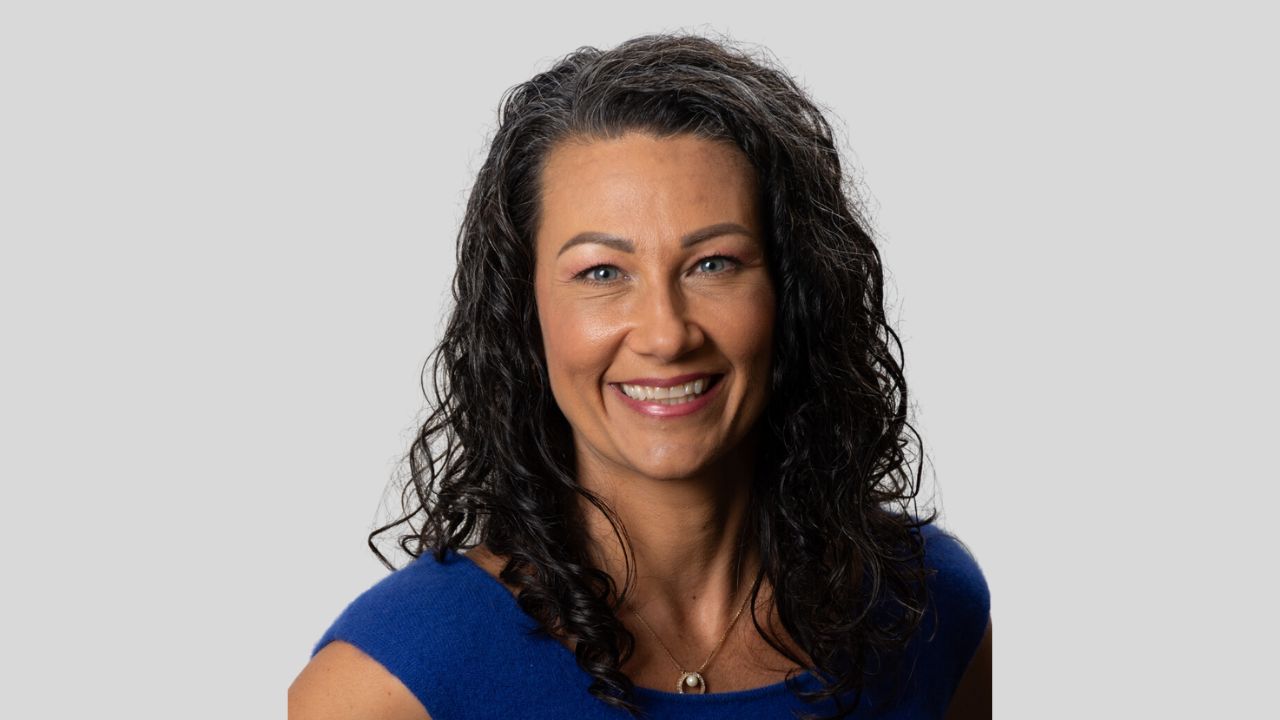
The CEO of Fit + Healthy 365, Lydia Di Francesco sat down with OBJ to discuss the post-pandemic world of work and what workplace wellness can mean.
Get Instant Access to This Article
Become an Ottawa Business Journal Insider and get immediate access to all of our Insider-only content and much more.
Lydia Di Francesco is a workplace wellness specialist and recipient of the Women’s Business Network’s Businesswoman of the Year award for 2023. The CEO of Fit + Healthy 365, Di Francesco supports workplaces and leaders in building wellness. OBJ’s Sarah MacFarlane sat down with Di Francesco to discuss the post-pandemic workplace and what wellness at work can mean. This is an edited transcript of that conversation.
We know that the pandemic caused irreversible changes and shifts across most workplaces and now we see people working from home, from the office, or anywhere in between. As a workplace wellness specialist, how did you see the pandemic most impacting the work you do?
I’ve been working in the wellness industry for 11 years and there's been a lot of change over the years. But the impact the pandemic had, in my view, is that it accelerated the conversation we have around wellness in the workplace.
I think, from my perspective and in my experience, the conversation was there in whispers and people were talking about it and a lot of businesses had been doing good things on the wellness front for years. It was slowly becoming more and more of a thing that businesses were paying attention to.
But really what I’ve seen is that the pandemic accelerated the conversation and brought it to the forefront, which I think is actually a good thing. As bad as the pandemic was, it brought about an opportunity for us to have these discussions. And to have them more seriously, with not just the fluffiness of what “wellness” used to be, but about the very serious impacts that people are having in their lives in terms of mental health challenges, stress and burnout.
There’s a lot of burnout happening these days. I think organizations and businesses have really woken up to the fact that wellness is a really important topic in any organization.
After all of the uncertainty and discussion in the workplace over these last few years, and as pandemic stress fades, what is the current state of workplace wellness?
Unfortunately, a lot of people are not in a good place. I do like to put a positive lens on things, but let’s start before the pandemic.
In my view, we were in or heading towards a stress epidemic before the pandemic even happened. Stress levels were at an all-time high. Then, through the pandemic, they got even higher.
Unfortunately, what we’ve seen is that stress levels and the pace at which people are working have not decreased. So, a lot of people are talking about, “we just want to go back to normal.”
Well, the “normal” wasn’t working. The “normal” was broken. I don’t know that we’ve gotten back to what it used to be and I don’t think it can or even should. But I think, in a lot of ways, people are still struggling.
The good piece of that is, from a mental health stigma perspective, some of the stigma has broken down. We are talking about mental health now in a way we didn’t before and a lot of people are being very open about their mental health struggles, so that’s very positive. It’s not great that there are more people with struggles, but it is good that more people are talking about it.
In terms of organizations, the positive is that they’re acknowledging that people are stressed or burned out or heading toward that and they’re trying to do something about it
The trajectory that we’re on isn’t great, but I do believe it can be slowed down and changed and shifted so that we’re not heading into this really bad place as a society in terms of our collective wellness.
So, that being said, what are the major issues coming out of the pandemic that are facing the modern workplace?
Well, the thing is, it's not even solely related to the pandemic anymore. But people have a lot going on in their personal lives, so there’s just a lot of general struggles people are having.
If we look at what’s happening in the economy these days, the dollar doesn’t go as far. People are struggling to make ends meet, grocery costs are higher, it’s harder for younger people to buy housing … People are having financial troubles and these are big, stressful issues in our lives.
Then we have workplaces that are trying to run at more than 100 per cent capacity with less than 100 per cent of bandwidth. People are being asked to do more with less in terms of energy, resources, time, finances, or they’re just understaffed.
The labour issues we’re seeing in certain industries are causing labour shortages where there’s too much work and not enough people. So, there are a lot of systemic issues happening within companies that are affecting people’s health and wellness.
That’s where I’m hoping to change the conversation, move the needle, and work with organizations that realize they have a role to play.
Within wellness, within burnout prevention, there is a shared responsibility. There’s a responsibility of individuals to help themselves and develop healthy habits, but there’s also a responsibility of leaders to make sure that they’re building a culture of wellness within their team. There’s also an organizational role to play from an organization’s wellness culture perspective to look at.
How wellness is integrated within all aspects of the organization is not just one-off initiatives and “Wellness Wednesdays” and things like that. Each of these entities has a role to play in building better wellness for individuals working in the organization.
I’m shifting to work more on the leadership and organizational side. The individual side is great and individuals absolutely have a role to play and that’s been a lot of the focus. But a lot of what I’m hearing is, “It’s hard to do the things I need to do to keep myself well when I have so much work,” or, “There are too many unrealistic expectations, I can’t do it all, there aren’t enough hours in the day,” or environments where people feel underappreciated or don't understand their value within the organization.
These are risk factors for burnout. So we need organizations to understand their role and then work with me or with their team to address these concerns and the systemic issues that are there. Even in terms of creating boundaries for themselves and for their colleagues and their team, these are important things for them to be looking at.
With the rise of remote and hybrid workplaces, as well as more flexible work conditions, there have been debates about the use of sick days. In some cases, organizations have reported employees choosing to work while ill instead of taking a sick day. What kind of issues can this raise for wellness, both from a physical and mental health standpoint as well as maintaining healthy boundaries at work?
I do think — and it’s something I mention often in workshops — that workplace flexibility doesn’t mean more working. It sounds obvious, and I always say it laughing. But in practice, you see it happen where people are working more flexibly, so maybe they take time off during the day and work late. But if you were to look at the whole amount of time they’re working, it’s still overtime.
Or they could be working at 100 per cent when they might not be. It’s easy — the computer is right there and it’s easy to just log in. You don’t have to be dressed or commute.
So even with people working sick, and it does happen, that’s where it’s two-pronged. Individuals need to keep track of their own selves and try not to be working more than they should be. But if the workload is relentless, they feel they can’t stop. So leaders need to also be facilitating discussion about flexibility and workload, what it means, and what expectations there are around communication and response time.
For example, if I’m working flexibly … and send some emails late in the evening, I’m not expecting a response from my colleagues. But if I’m not clear about that, they might feel an obligation to also work late
When we have discussions as a team around workplace norms, our team practices, team guidelines, however you want to word it, it helps not only productivity but also the wellness side. People can then understand in this scenario, “I’m not obligated to be checking my emails.” If someone’s flexibility doesn’t match mine, I understand the expectations of me
That's just one example of a way a leader can help create an environment where people can have that wellness.
It’s arguably more important than ever to cultivate a strong work culture and keep teams engaged. In some cases, workplaces use the phrase that “we’re like a big, happy family.” Can workplaces be too close or be unprofessional? Are there issues with encouraging employees to maintain very close and personal relationships within a workplace?
In those cases, that’s up to individuals about how they are behaving in a non-workplace environment with workplace colleagues. The kinds of companies that have “family” culture will likely attract the right people who are looking for that kind of culture and hopefully they’re clear in their hiring that that’s the culture.
Where I see potential problems would be if workplace fun activities outside of the office are mandatory or seen as part of work time. Conversations come up that, when it’s mandated fun, maybe people don’t really want to do that or they have other obligations. A lot of times, these activities revolve around alcohol and, since the pandemic, there are more people now that don’t drink for a whole variety of reasons. That can get uncomfortable and awkward and I think that’s where it gets dicey.
You need to be cautious of the going out, the fun activities. What are the activities? Are they focused on alcohol? Try to switch it up. If you’re using these interactions as employee engagement, consider having them during the work day as a work thing so people don’t feel obligated to be participating when they may have other obligations.
The issues are more around how mandatory it is. Sometimes it’s unspoken mandatory where they say it isn’t, but the sense is that it kind of is. That’s where I see those issues coming into play.
If we can understand how important it is to maintain connection and a shared culture with each other in a post-pandemic world, where is the line?
This is a good point I wanted to make. Another good thing coming out of the pandemic was this conversation around how we work. What’s come out of this is an opportunity for us to reimagine how we work.
What I mean is, especially in this conversation about hybrid, remote, in-person, there’s a really good chance here for organizations to look at what we are doing together when we’re in-person.
How are we maximizing that time? There are people who have to go in two days a week and they don’t talk to anybody, they just go into a desk, and half the time they’re just on virtual calls. They could just be doing it from home and that’s an example of not doing it right.
Maybe companies have in-person days. That is where they gather in-person more and have brainstorming sessions or have some extra time in the day where they can be having more social time.
I’m not going to suggest specific things because every organization is different. But let’s not squander this opportunity: we have to think about how we do things differently and how we can do it better.
The system of how we work is broken and has been broken. But I think we can make it better. We still have that window of opportunity to improve it and make sure we don’t end up back in a bad space.
We’re going to see that those looking to make their companies a desirable place to work are the ones that are rethinking, reshaping how we work together, especially from that in-person perspective, and how can we be taking advantage of that time when we’re right in front of each other. It’s just going to have to look a little different.
There have been reports and studies of what experts are calling an echo-pandemic, this time for mental health, warning of a stress and burnout crisis. Is this what you’re seeing? What makes it an echo-pandemic?
I think basically the idea is pretty much a mental health pandemic in a sense. People’s mental health is in decline. I think it’s true.
I think it is because we were already having problems before, they got worse, and it hasn’t gotten better.
And then all of our mental health workers, all these people doing such good work, are being overburdened with influx. It’s still very hard to find a therapist these days. That’s great because people are going to therapy, but the mental health workers are being taxed in terms of, there are only so many clients you can take on. It is hard to find the resources and I see that in a number of cases.
I also see that there’s a lack of personal financial resources with people being able to afford these services. They’re not cheap. People are definitely struggling.
One of the things I try to do is help educate people in terms of how they can take better care of themselves. You can have good mental health even if you are struggling with a mental health condition or a mental illness.
How can companies seek support for integrating wellness into their work culture or prioritizing their team’s wellness?
There are lots of ways. For example, I work with companies in three ways.
I can help create strategic wellness plans, where we would work together and create a plan for how they can be integrating wellness throughout the entire organization.
As an example, some companies have started having managers, as part of their performance review, ask the question of whether their team took their vacation time. That’s an example of how you can integrate the component of wellness into performance management.
The other way I can help is through leadership development, working with leaders and managers and helping them to learn how to build that culture of wellness.
Then the third way is through wellness workshops, which are typically more focused on individuals, and I’m talking to all the employees as themselves and teaching them about strategies for maintaining wellbeing.
I like to focus on wellness as a whole. It’s physical, emotional, social, financial, occupational, there are many different types, and for me it’s the whole piece.
Wellness is where you are able to operate in a state of thriving, not just the lack of illness, but the “more than.” More than just a baseline, it’s thriving. I also want people to understand that sometimes it's seasonal and sometimes we’re just going through a tough time, but there are ways to still be okay in the tough times. But ideally, you’re not feeling unwell and unhealthy always. Even if you’re not ill, that’s not the goal. You want to be feeling good and energized and alert and joyful.
It’s not about faking it or toxic positivity, but it’s about having the mindset you’re happy with. Everybody’s journey looks so different and I think that’s also something that people need to keep in mind. It’s easy to compare ourselves to others, but everyone is different and we don’t really know what people are going through or what their stories are and what they’ve been through. For me, it’s about focusing on yourself, doing the best you can do and being the best you can be.