
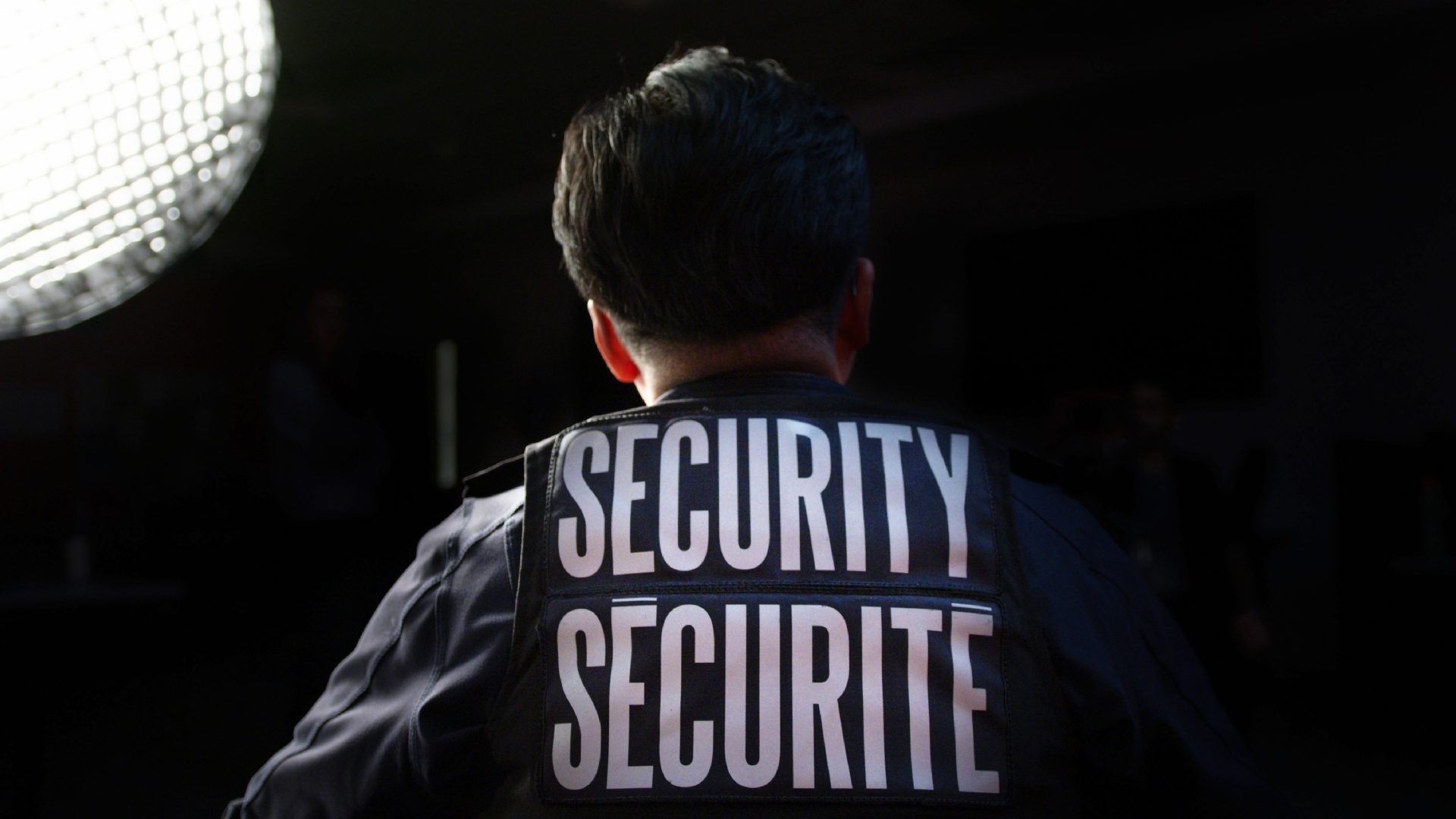

Think of your organization’s security services. Are they contracted to separate providers, one need at a time?
Background screening here; fingerprinting there. Guard services from companies based outside Canada. Mobile patrols, alarm response, threat risk assessments and workplace investigations, all managed separately.
At first glance, this approach appears simple. Different security requirements are addressed as they become priorities.
On the ground, however, it can create operational silos, communication gaps and inconsistent standards as organizations face increasingly complex security risks, greater compliance expectations and heightened responsibilities around workplace safety.
That raises an important question: Why do so few security providers offer unified strategies that integrate multiple specialties?
Whatever the cause, the need is clear: Organizations require security partners that understand local risks, coordinate across services and provide accountable, end-to-end support.
The cost of piecemeal security: fragmented information and less effective response
When security functions are spread across providers, organizations can encounter avoidable challenges. That’s because information becomes fragmented: vendors may operate with different procedures, reporting standards and technologies. Internal teams are left managing multiple contracts, contacts and expectations, often with no one vendor accountable for the bigger picture.
McKinsey & Co. notes that silos can limit an organization’s ability to respond effectively to emerging challenges. “Executives across a wide range of companies and industries must expect silos to continue obstructing joint action among functions,” the company says, adding that organizations can meet the problem head-on by establishing end-to-end accountability.
This solution, you may argue, should be obvious. But siloed security functions – and the lack of effectiveness associated with that – often become unavoidable the more responsibilities are split.
What an integrated security provider does differently
A single provider creates a more unified security strategy while owning accountability and gaining an intimate knowledge around your facilities, policies, people and risk profile. They build genuine relationships with your team over time, allowing them to make tailored and more effective recommendations.
That could mean coordinating guard services, mobile patrols, alarm response, background screening, fingerprinting, threat risk assessments and workplace investigations through one accountable provider, instead of leaving your internal team to connect the dots across multiple vendors.
On your end, the resources needed to manage multiple contracts and points of contact are saved. Your organization becomes better poised to respond to incidents, onboard employees quickly, and maintain stronger security standards across operations.
Simply put: Your security is fully managed by a trusted partner with a clear view of the full picture.

Why local knowledge matters in security
Your organization doesn’t operate in a vacuum: Ottawa businesses face unique regional risks, vulnerabilities and operating realities.
A provider with deep roots in the community understands these environments and the stakeholders connected to them.
Research also suggests that locally rooted organizations are often more engaged with and accountable to the communities they serve, because their leadership, workforce, customers and reputation are closely tied to the region. A research paper published in Public Administration Review argues that “firms that intentionally interface with community members and other local businesses are associated with greater levels of civic and political engagement.”
That kind of local commitment benefits not only an organization’s clients, but the broader community, as well.

Why Commissionaires Ottawa?
Commissionaires Ottawa is a Canadian-owned, full-service, not-for-profit security organization with deep roots in the National Capital Region and a proud history of actively recruiting veterans and retired police officers.
After all, one of the most important factors in security is judgment. Technology, procedures and reporting tools are valuable, but their effective use depends on experienced professionals. People remain the foundation of strong security operations.
This ensures ensures our professionals:
- Are precision trained for situational awareness, risk assessment, public safety, and public service
- Share deep values of leadership, adaptability, teamwork, and community
- Are strongly incentivized through upward career mobility, specialty training, continued education, competitive pay, and ample benefits
- Live in and care about the National Capital Region as a community
For clients, that translates into greater confidence that the people protecting their teams and facilities understand how to identify risks, de-escalate situations and respond appropriately when challenges arise.
The not-for-profit difference
Organizational structure is one of the most overlooked considerations when selecting a security provider. Security companies typically operate as for-profit enterprises, where a portion of revenue may ultimately flow to shareholders or private ownership groups.
Commissionaires Ottawa is different. As a Canadian not-for-profit organization, it has no shareholders. Revenue is reinvested into areas that strengthen service quality and support our mission, including service quality; specialty training; operational excellence; compensation and benefits; and support for veterans, their families and the broader community.
This model creates long-term value for clients while supporting employees and their careers. In an industry often associated with high turnover, investing in people can help reduce service disruption and strengthen continuity.
When an organization’s financial model is aligned with its values, resources can be directed where they matter most: toward people, service and community impact.
What to consider when choosing a security partner
For Ottawa businesses, choosing a security partner should involve more than comparing hourly rates or service packages.
The process should consider:
- Integrated service delivery
- Local knowledge
- Provider accountability
- Investment in people
- Organizational structure
By consolidating security services under a trusted local partner like Commissionaires Ottawa, organizations can reduce administrative complexity, strengthen accountability and create a more coordinated approach to security.
The result is safer, more secure organizations and communities built on a foundation of trust, accountability and dedication. What could be more important?
For more information, please visit commissionaires.ca/en/built-to-protect.
