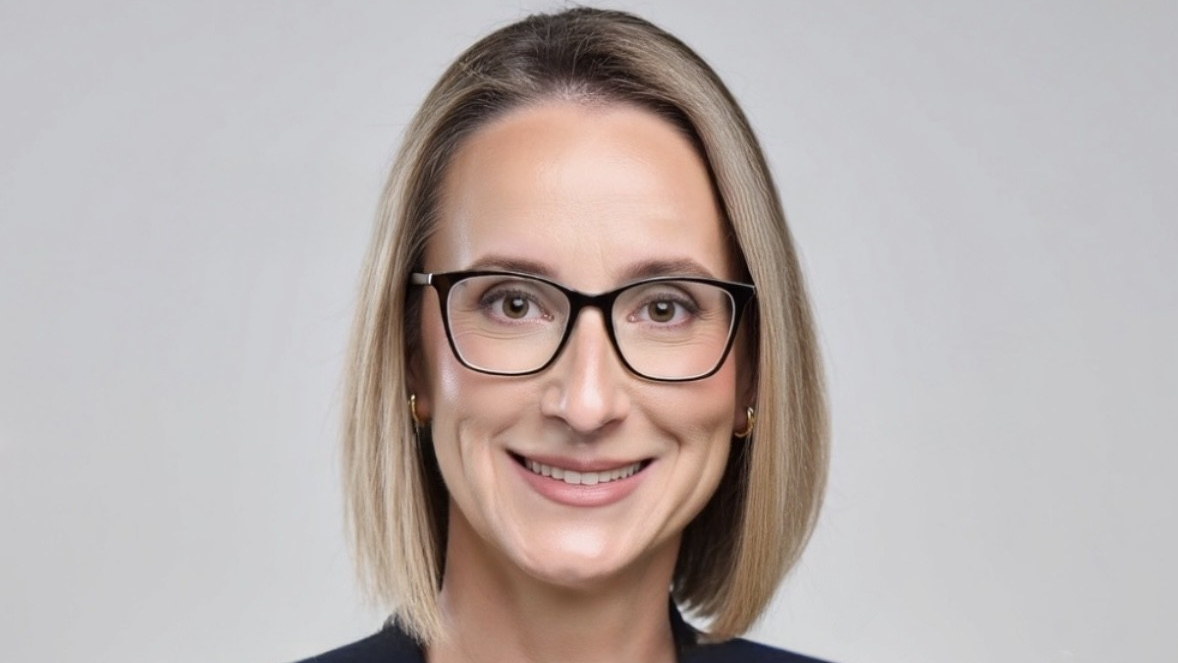
With financial pressures weighing on donors, The Ottawa Hospital Foundation’s new CFO, Diana Burns, is focused on keeping the momentum going as the hospital’s capital campaign closes in on its goal.
Already a Subscriber? Log in
Get Instant Access to This Article
Become an Ottawa Business Journal Insider and get immediate access to all of our Insider-only content and much more.
With financial pressures weighing on donors, The Ottawa Hospital Foundation’s new CFO, Diana Burns, is focused on keeping the momentum going as the hospital’s capital campaign closes in on its goal.
“I'm coming in at the tail end, but it's an absolute honour still to be a part of this campaign,” Burns told OBJ. “The work is on its way to being done, but I think we need to appreciate that we need to make sure that we close it and meet the overall goal that we set up for ourselves.”
At the end of August, it was announced that Burns would join the organization as chief financial officer after nearly four-and-a-half years with the University of Ottawa Heart Institute, where she served as CFO and senior vice-president.
But Burns didn’t start her career in the charitable sector. Instead, she found her way into health-care after more than a decade working with KPMG.
“Early days, they throw you into the big public company audits, and so while that was very exciting and interesting at the time, it left me like I was missing something,” she said. “I just didn't feel like I had enough impact. And so then I migrated to clients that were in non-profit, charity, university-type sectors and that's where I felt like something switched on for me from a personal passion point of view.”
According to Burns, working in health care, particularly for a foundation, comes with different challenges than the private sector.
“The difference when you work at a foundation is that these dollars come with donor intent and a story and it's personal,” she said. “And every dollar, you need to carefully steward it. You need to make sure that it lives and breathes the donor's intent. You need to be able to speak to the impact that those dollars have.”
In health care, resources are limited. As a result, Burns said part of her role is to think strategically and put dollars where they’re needed most.
Recent economic uncertainty has stretched resources even thinner. With inflation, investment returns and capital project costs to consider, Burns said the foundation has had to adjust to put money in the right places. But she said this isn’t unusual.
“I will say volatility is a given. Volatility used to be a once in a blue moon and now I think you almost live in constant unknowns and volatility,” she said. “I think you have to be flexible in your strategy to be able to pivot if something changes on you. So I think the one constant now is you've got to be prepared for the unknown and change.”
The foundation’s Campaign to Create Tomorrow, which is raising $500 million to build the hospital’s new Civic Campus on Carling Avenue, recently surpassed the 80 per cent mark, with $404 million raised since the spring of 2022.
She said the campaign and its impact on the community are what drew her to the role.
“This is something that is bigger and bolder than where I was and I really wanted to play a part in it because I truly believe in the impact this campaign will have in our community in so many areas.”
In addition to creating new research opportunities, she said the broader impact of the new campus on Ottawa will include attracting talent and stimulating the local economy.
“Ottawa is at a critical point where this type of investment will make a massive impact in recruiting top-quality researchers and physicians, helping create investments in our city and care.”
But to make it happen, Burns said the foundation has had to get creative. Much like other organizations in the private sector, she said the foundation is looking at artificial intelligence as a potential avenue to efficiency, especially given financial constraints.
“One of the things I think the foundation is looking to do, like every large foundation, because there's a limited pool of folks who can donate certainly large gifts, we want to be more efficient than we have been in the past,” she said. “Using technology to basically enhance the work that we do and the decisions that we make. So I think we will be, as an organization, you know, taking the time to explore that further.”
Though donors are dealing with their own financial pressures, Burns said she’s been impressed by the generosity of the community and hopes to keep that momentum going until the foundation can reach its campaign goal and beyond.
“I think the reality is just because we hit a number, the work's not done,” she said. “This is an initiative that I think will forever be part of what we want, which is better health care, stronger research in our community and creating a health system that people really can see, faster, better-quality care.”