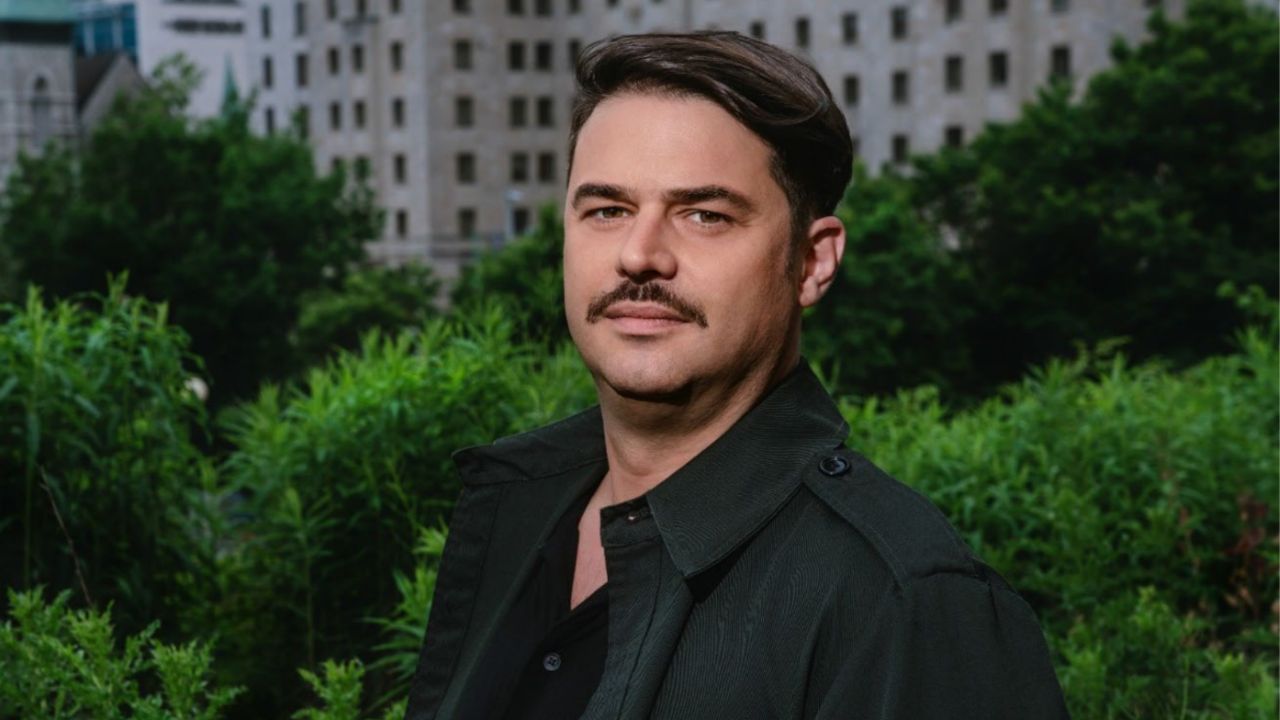
Ottawa’s nightlife commissioner says that supporting nighttime workers as well as encouraging residents to engage with nightlife businesses will be priorities for his office’s next strategy. During the pandemic, many people turned to at-home entertainment, which is a habit that’s been tough to shake, said Mathieu Grondin at the Canada After Dark summit this week. […]
Already a Subscriber? Log in
Get Instant Access to This Article
Become an Ottawa Business Journal Insider and get immediate access to all of our Insider-only content and much more.
Ottawa's nightlife commissioner says that supporting nighttime workers as well as encouraging residents to engage with nightlife businesses will be priorities for his office’s next strategy.
During the pandemic, many people turned to at-home entertainment, which is a habit that’s been tough to shake, said Mathieu Grondin at the Canada After Dark summit this week. The summit gathered business and community leaders from across Canada to discuss the growth of cultural industries after dark.
“We’re fighting the couch,” Grondin said at the event, which was hosted together with the Ottawa Music Industry Coalition. “I think that’s evidenced by the rise in the number of delivery service businesses of over 681 per cent over six years. That’s you and I on a Friday night at home ordering food and watching something on streaming. (Meanwhile), probably a newcomer to Canada is jumping in their car or on their bike to deliver us that food.”
People who work between 6 p.m. and 6 a.m., including those in health care, transportation, cleaning and logistics, largely go unnoticed and the city should better support them, he added.
“For you, the night is leisure. For them, it’s labour,” Grondin said. “We see the transaction in our data, but we easily overlook the person doing the work. Municipalities have traditionally understood the night (economy) through entertainment, and that misses the connection between the people going out and people staying up so that the city can function.
“Our cities still follow daytime schedules. (If you) finish work at four in the morning, the library or pool is closed. Healthy food can be hard to find and getting home can be expensive. Sleep and family time must fit around everyone else’s schedules … We depend on these workers.”
That’s why the next nightlife strategy will look at Ottawa’s nighttime economy, beyond nightlife.
“We want to look at how we can better support and recognize the contributions of night workers outside the traditional sectors of nightlife,” Grondin told OBJ. “As a municipal government, can we offer better access to our amenities? … I think there’s a way to recognize the work that’s often been made invisible and that’s what we’re exploring right now.”