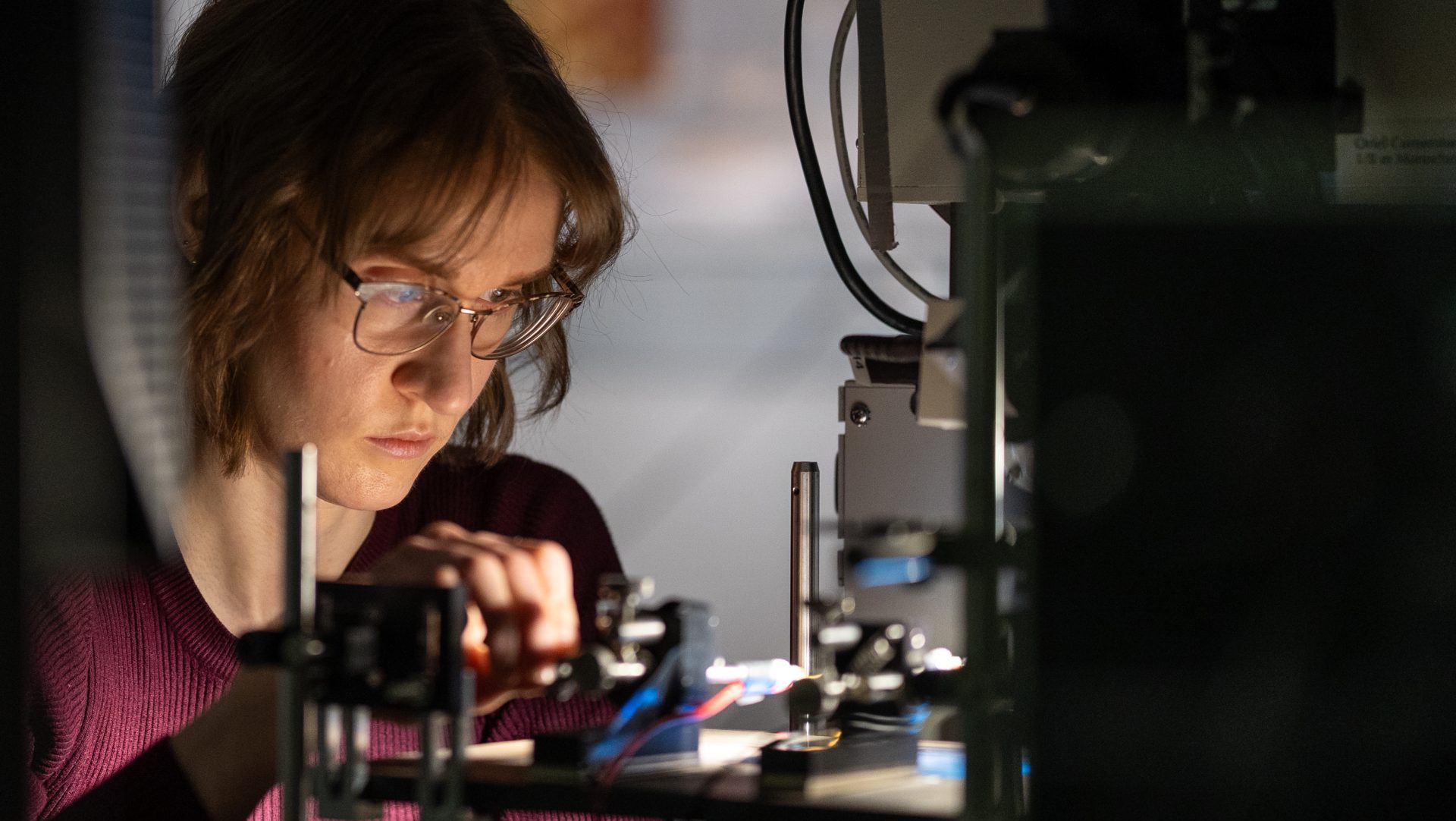

The University of Ottawa’s Faculty of Engineering wants to hear from Ottawa businesses, entrepreneurs, and innovators.
That’s because, as emerging technologies continue to reshape the workplace and the geopolitical climate continues to evolve, the faculty is increasingly working with industry to better respond to evolving workforce needs and understand the graduate skills employers value most.
To that end, it recently released a two-minute anonymous survey for National Capital Region employers. The survey’s answers will inform the faculty’s ongoing modernization of its programs, explains Vice-Dean of Programs Andrew Sowinski.
“This feedback will help us strengthen uOttawa Engineering programs, and ensure graduates are equipped with the knowledge and skills employers need,” adds Sowinski. “We’re identifying what we can do to support our students, so when they graduate they have both the professional and technical skills to support industry needs.”
While Sowinski says the Faculty of Engineering is constantly engaged with industry and is always evolving its programs, it’s hoping to put that modernization into overdrive by putting out a direct call for broad industry feedback.
An ongoing modernization, with support from industry
Sowinski says the faculty’s ongoing evolution has in the past included a shift to different modes of course delivery, such as online and interactive learning; support for generative AI tools; and the addition of selected topics in engineering courses – such as technology entrepreneurship – designed for flexibility.
But he says the importance of continued modernization in fields such as biomedical, defense, semiconductors, AI and virtual reality (VR) grows practically by the day as the pace of technological change increases.
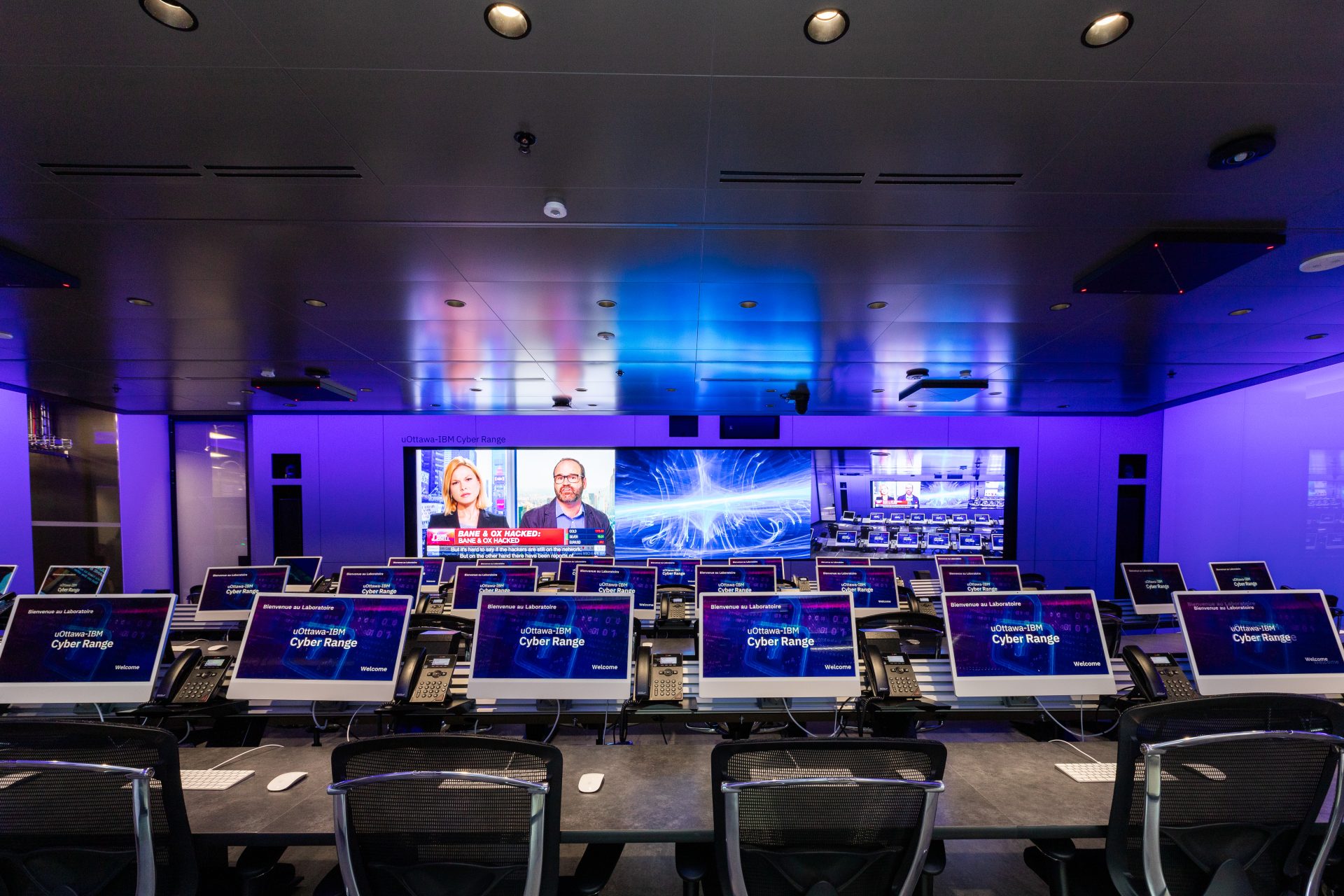
“Everything’s moving so fast,” he acknowledges, adding that the university’s Kanata North campus is its main vehicle for industry collaboration and feedback. The Kanata North campus helps facilitate industry partnerships through its strategic location in Canada’s largest technology park. Other collaborations often come about due to individual relationships between professors and members of the business community.
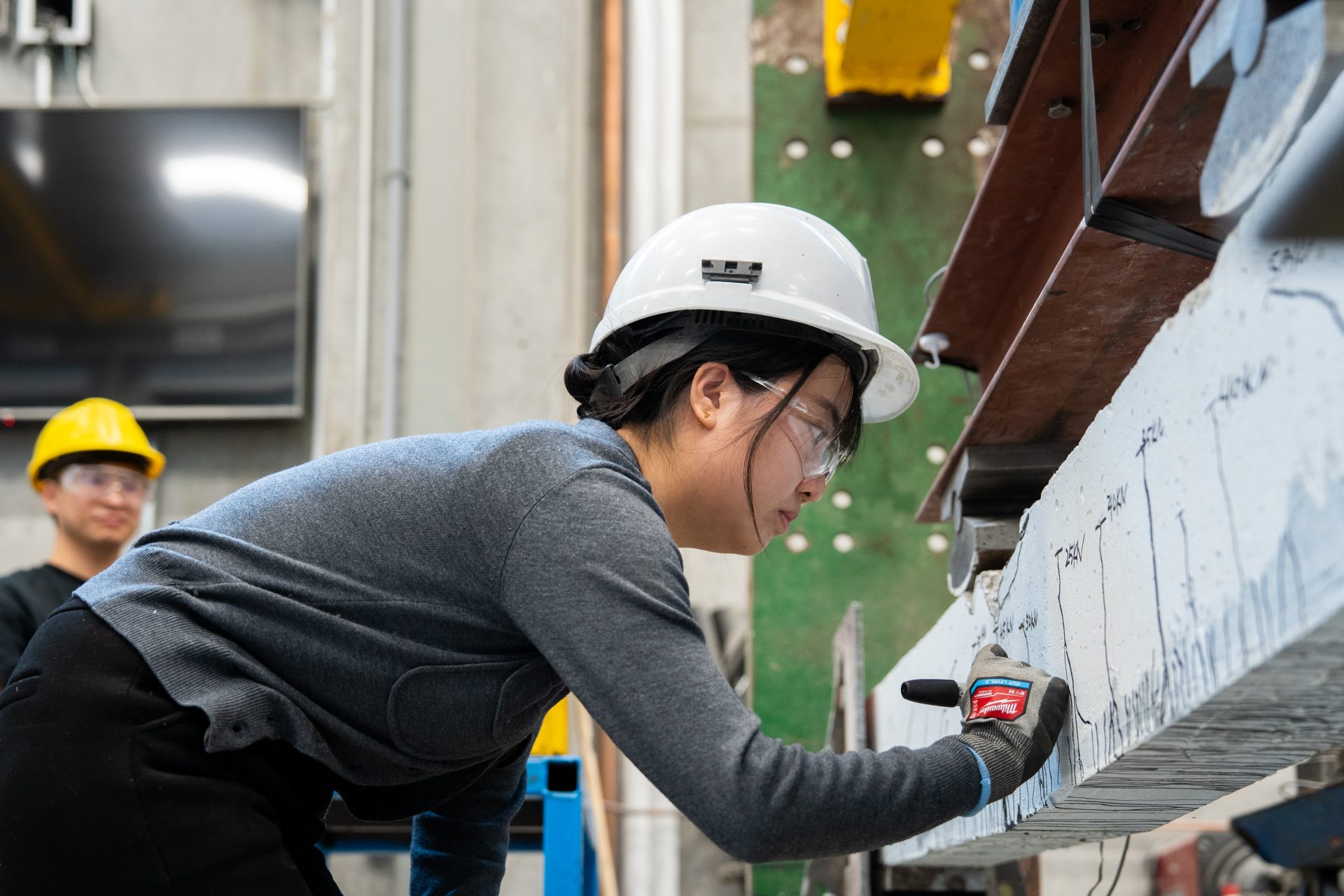
The faculty regularly pairs students with industry partners on co-op placements and internships, helping them develop relevant industry skills through experiential learning and preparing them to solve real-world problems. It also requires students to complete in-depth, fourth-year capstone projects solving real engineering problems for clients, along with special projects such as the twice-yearly Design Day.
Local innovators are also invited to regularly drop in as guest lecturers to help draw connections for students between classroom theory and reality on the ground.
This last bit is important for students to see that their coursework has real-world implications, Sowinski says. “It’s not just a siloed course,” he explains. “It shows the students that everything’s connected.”
Balancing engineering theory with real-world industry needs
Sowinsky says the faculty plans to increase the frequency of its industry engagements, so they’re “a little bit more systematic, ” along with increasing its emphasis on the development of professional skills along with technical know-how.
“The outcome of that,” he adds, “would be that our students will be better prepared once they graduate.”
The faculty’s industry survey is one such step in that direction. It asks respondents to identify the skills most important to their organization – from technical expertise to leadership and problem-solving – along with how their organization has previously worked with uOttawa students.
“This survey is a feedback tool, but it’s also a road map,” Sowinski says. “Every response helps us sharpen our programs so our students graduate ready to lead in the industries shaping our future. When industry and academia move in lockstep, our students benefit by developing the skills to help keep pace with change – and to drive it.”
You can access the survey here: https://www.surveymonkey.ca/r/6MP72Q6
-
 20251110-BF-ENGINEERING-LABS-117
 -
 20231017-BF-CYBER-RANGE-048
 -
 20220922-SE-CAMPUS-BUILDINGS-019
 -
 20190905-CR-DRONE-CAMPUS-CANAL-005
 -
 20251112-BF-ENGINEERING-LABS-054
 -
 20251112-BF-ENGINEERING-LABS-089