Get Our Email Newsletter Local news about the companies, people and issues that impact business in Ottawa and beyond delivered to your email inbox.
Last month, I went to Changsha, China to visit a factory producing two BYD electric vehicle models slated to come to Canada this year: the Atto 3 and the Dolphin. I wanted to see where the cars were made, learn how BYD builds them and give Canadian readers a look at the company that is […]
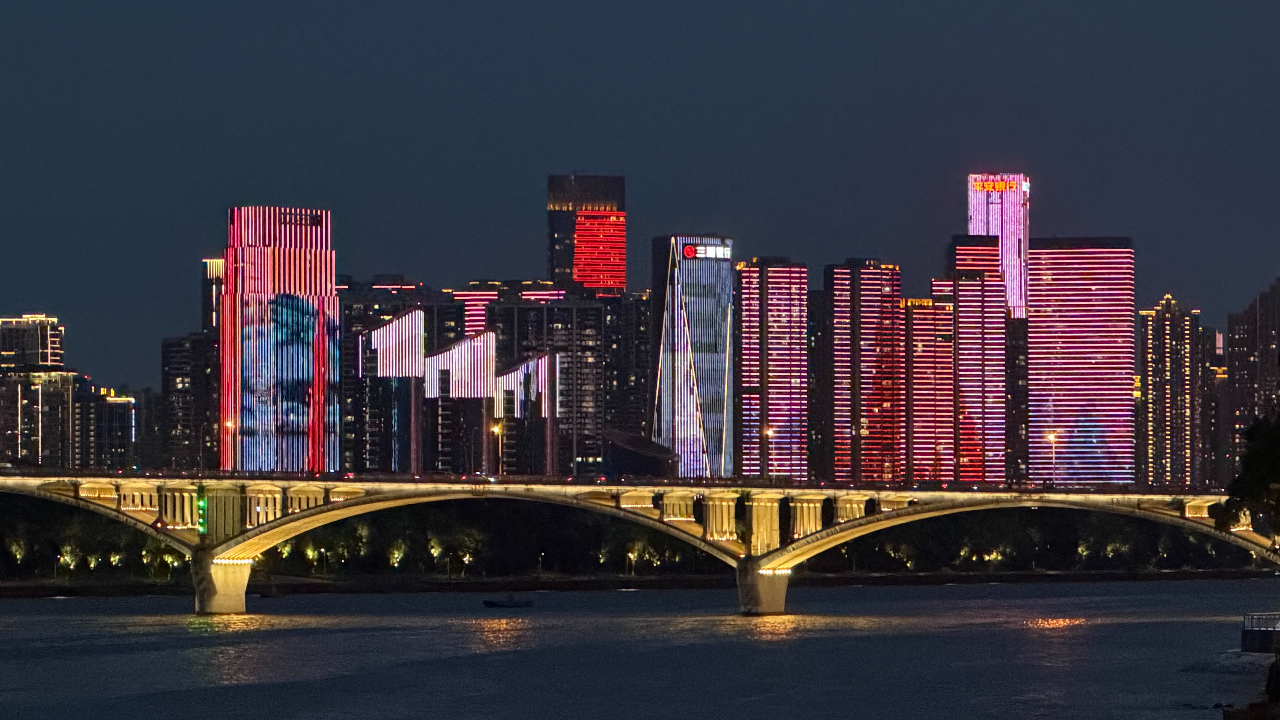
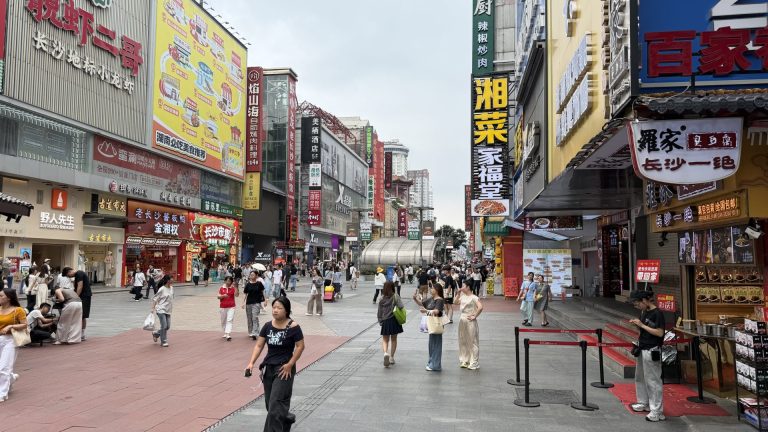
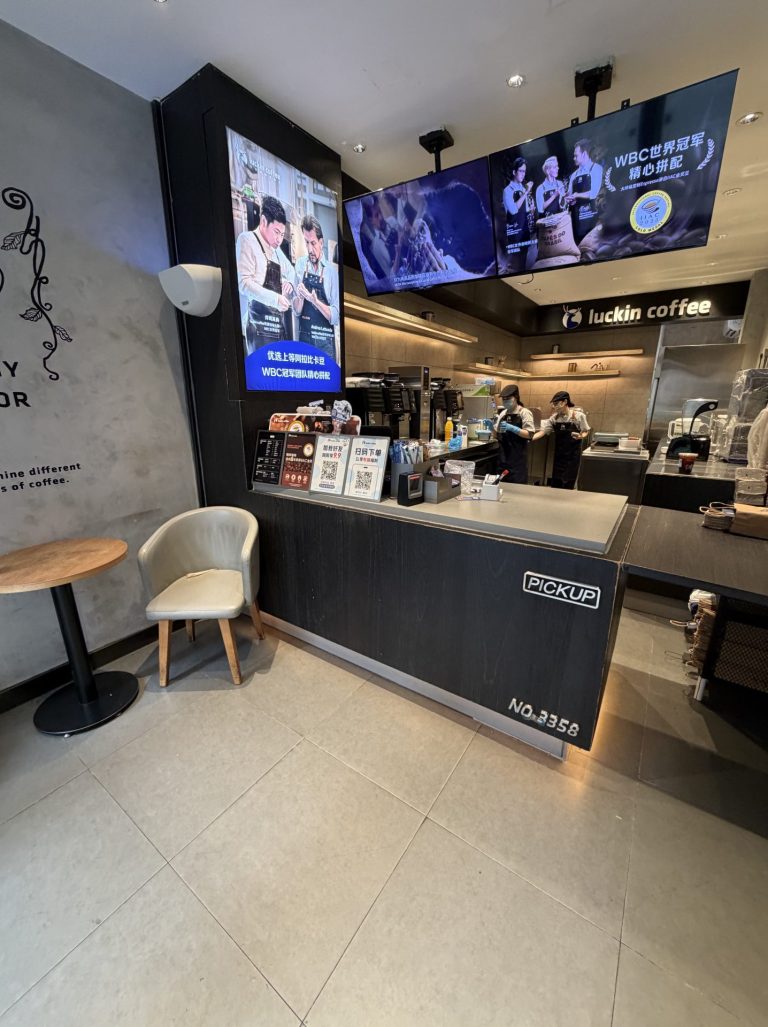
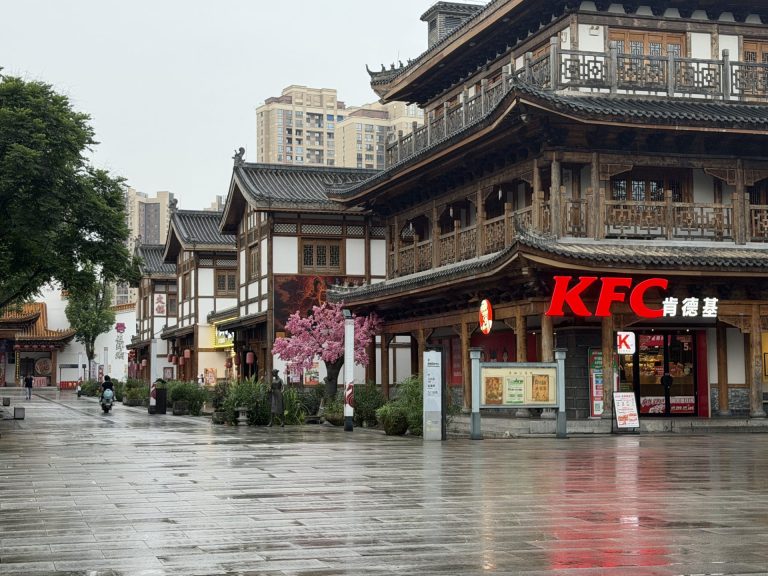
Last month, I went to Changsha, China to visit a factory producing two BYD electric vehicle models slated to come to Canada this year: the Atto 3 and the Dolphin. I wanted to see where the cars were made, learn how BYD builds them and give Canadian readers a look at the company that is attracting so much attention. The visit did not happen. At the last moment, I was told the company did not have permission to show me around. No reason was given. And so I was left in a city of eight million people with time on my hands. I spent it getting to know Changsha. And while my introduction was not the best, I ended up learning many other things.My introduction actually began the moment I arrived, at 11 p.m. outside the Changsha South high-speed rail station, where I ordered a Didi. This is China's version of Uber, and I could order one directly from the AMap app. Two minutes later, a sleek electric car called a NIO pulled up and I climbed into the back seat. Soft ambient purple light glowed under the seats and along the doorframes, and the cabin was futuristic and spacious. The driver started chatting with me, and we used Doubao, a Chinese AI app made by ByteDance, for simultaneous translation. The driver asked if I had ever had Hunan food. I said no, and he took a detour to his favourite noodle restaurant, where he bought me a bowl of delicious noodles with a big chunk of pork on the bone floating in it. Welcome to Changsha.Changsha is the capital of Hunan province, famous for its spicy food. Mao Zedong attended university here. It's a city that most Canadians have never heard of. Ironically, I didn't see many BYDs on the roads around Changsha, but I learned a lot about how a large city can function.I arrived on the high-speed rail from Shanghai. The trip took just over four hours across nearly 1,300 kilometres of Chinese countryside. My second-class seat was wide and soft. China's high-speed rail runs on a schedule most Canadians would find incredible. Trains arrive to the minute, load and unload in under half an hour, and depart on the minute. The system is fully electric. China has built 50,000 kilometres of high-speed rail in 18 years since breaking ground in 2008. The system carries 10 million passengers a day and has already returned better than eight per cent on its original construction cost, according to the Organization for Research on China and Asia. The subway in Changsha was just as reliable. I came down the stairs at the Wuyi Square metro station and the entire place was lit up in digital billboards and clear markings in English and Chinese. I paid about $1 on my phone using AliPay and went through a quick security check. All bags get scanned in an x-ray, just like at the airport. The platforms are simple. Trains arrive on either side of a single platform: the right side goes one direction, the left goes the other. The train arrived within three minutes and it took 10 minutes to get to my destination.Above-ground, the roads were clean and orderly. Police officers with white gloves and whistles directed traffic on busy evenings. Bike lanes ran along every major artery, separated from car traffic by steel barriers or concrete planters with flowers. The bike lanes have their own signals at intersections and clear markings along the pavement. Most of the cars I saw on these pristine roads were electric: Teslas, Geelys, NIOs and a dozen brands I've never heard of. I saw very few BYDs, which surprised me given the noise BYD is making in Canada right now. But it was the sheer volume of EVs that surprised me — electric is simply the way people buy cars in Changsha. The same friendliness of that Didi driver continued throughout my two weeks in Changsha. It was easy to make friends in downtown Changsha because so much life happened in public. The centre of Changsha glowed all night long. Every building along the main pedestrian road in the city centre, Huangxing Road, was lit up and towers across the city displayed synchronized LED patterns from top to bottom. That pedestrian mall was busy even at 11 p.m. There were restaurants and snack stands and clothing stores all down the length of the street. Huangxing Road pedestrian mall. Photo by Nathan Drescher and Lin Jing.Changsha is not all modern buildings. One place I kept returning to was Denglong Road, a winding series of historic cobblestoned alleys next to Huangxing Road. Vines climbed stone walls and traditional pagoda-style rooftops leaned out overhead. Small businesses filled every doorway, from gelato shops to spicy hot pot to the barbershop where I got my hair cut to my local Luckin Coffee. This stretch of alleys was cool and shady even in the hot Changsha afternoon. Nearby, Taiping Street is one of the best preserved ancient streets in the world, as old as Rome and still quietly operating as a bustling commercial lane. The shops are modern with lights and wifi. The street itself is 3,000 years old.Luckin Coffee. Photo by Nathan Drescher and Lin Jing.Luckin Coffee is worth discussing. It is the largest coffee chain in the world, with roughly 35,000 stores across China, according to Nikkei Asia. It has even opened 10 stores in the United States. It's a mix of speed and quality. Think if Tim Hortons and Starbucks had a baby. My morning consisted of opening the Luckin mini-program in the AliPay app, ordering my Little Black Cup (Luckin's name for a regular drip coffee) and my new addiction, the coconut jasmine iced latte, and paying for both right there in the app. When I reached the store on Denglong Road, I scanned the QR code the app had generated onto a little reader on the counter and the staff made my order. That was it. There were no cash registers. I never once saw anyone ordering from a person and the staff never once got my order wrong.Downtown Changsha has an enormous shopping mall called IFS Center. It's like the Rideau Centre, if the Rideau Centre were seven storeys tall and included a full-sized hockey rink. An enormous two-storey Apple Store sat across from an equally impressive Huawei store. Louis Vuitton had a corner. The food court is filled with sit-down restaurants instead of a cafeteria. There were two grocery stores. But my favourite part was the roof. I rode a glass elevator to the top and stepped onto a landscaped rooftop with gardens and walking paths and a play area for kids. There were a couple of bars and a fancy Thai restaurant and panoramic views of the city. Two giant towers rose up from either side of the mall and vanished into the low clouds above. There was another mall nearby, the Hisense Plaza, where one whole section was a recreation of a 1980s street market. The vendors and shops were real but everything was made to look vintage. A gondola travelled slowly overhead so people could take a relaxing tour. It made me realize that even shopping malls can be a destination.The Xiangjiang River divides Changsha in half and its entire length is lined by a walking path and park that stretches for kilometres. The river is similar in size to the Ottawa River. I walked along it one evening after dinner. Tall trees shaded the path, the lighting was dim and moody, and the bridges and buildings on both banks glowed in coordinated LED colours. I passed a plaza where dozens of people were dancing as a woman sang karaoke from a portable speaker. Vendors sold artwork and folding fans and bottles of water along the pathways. There were a few bars and a historic pagoda called the Du Fu Jiang Pavilion. My local friend took me to one of Changsha's other parks one rainy afternoon. The paths were paved and well-maintained, winding past small lakes and over arched footbridges. There was a recreated old-style Chinese village complete with a functioning KFC, because why not. Photo by Nathan Drescher and Lin Jing.It wasn't all easy. The ebikes are the same menace they are everywhere in China. They blow through red lights and jump the curb onto sidewalks whenever it suits them and I watched as traffic police ignored their antics. I found the internet slow and buggy in Changsha compared to Shanghai. I was running a Singapore-registered travel eSIM that cut out constantly and my hotel wifi over Nord VPN often had trouble connecting. These issues stopped the moment I returned to Shanghai. My tenth-floor hotel room overlooked Furlong Road and the sound of music and car horns and people never stopped day or night. When I visited my friend's neighbourhood in a quieter district, it was as peaceful as Stittsville, so my noise problem was really a downtown problem. Next time I'll book in a quieter part of town.I travelled to Changsha to report from inside a BYD factory. Instead I left with ideas of how a city can function differently from what we're used to here in Ottawa. I took the high-speed rail back to Shanghai on my last morning. The train left Changsha South station on the minute.