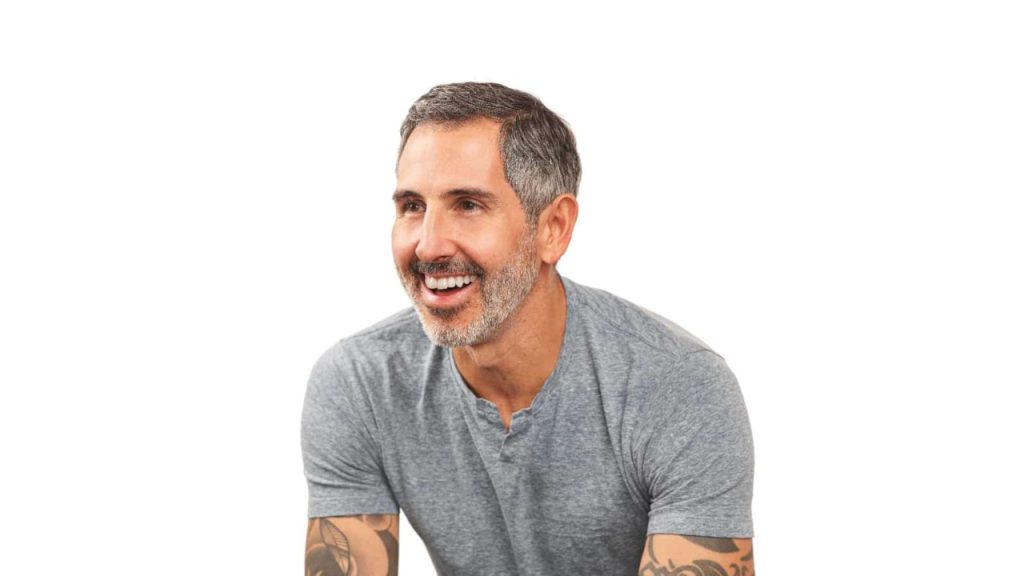
Abdirahman Qalinle spent three days staring at a software bug that just wouldn’t quit: his fashion AI platform kept trapping users in an endless onboard loop. “There were times where I just went to sleep,” he recalls. “I’d give up for like three days.” Then he’d take a cold shower, wake himself up and get […]
Already an Insider? Log in
Get Instant Access to This Article
Become an Ottawa Business Journal Insider and get immediate access to all of our Insider-only content and much more.
- Critical Ottawa business news and analysis updated daily.
- Immediate access to all Insider-only content on our website.
- 4 issues per year of the Ottawa Business Journal magazine.
- Special bonus issues like the Ottawa Book of Lists.
- Discounted registration for OBJ’s in-person events.

Abdirahman Qalinle spent three days staring at a software bug that just wouldn’t quit: his fashion AI platform kept trapping users in an endless onboard loop.
“There were times where I just went to sleep,” he recalls. “I’d give up for like three days.”
Then he’d take a cold shower, wake himself up and get back to it. “I’m not getting paid for it, nothing. I’m putting money into it. But it was rewarding seeing something that I’ve created.”
Now, four months into building Fitzstyles, Qalinle works alone. He has no co-founder, no employees and no funding. He has incorporated the business, taught himself to build the entire platform and, most recently, moved everything to the cloud. Just a few days ago, he uploaded the AI component. Brands in Europe and America are talking to him. He has people in Dubai ready to launch.
Qalinle is just one example of how Ottawa has quietly become Canada’s capital for solo tech founders. Local entrepreneurs are building companies in fashion, AI, space-tech, gaming, web platforms and event technology, without the teams that many venture capitalists prefer. In fact, their success challenges the orthodoxy about what it takes to build a startup. Data shows solo founders survive longer and generate higher revenue per employee than co-founded teams, according to Equidam, yet they receive only 17 per cent of VC funding, despite representing nearly 40 per cent of all startups, according to a Carta Report on Private Markets.