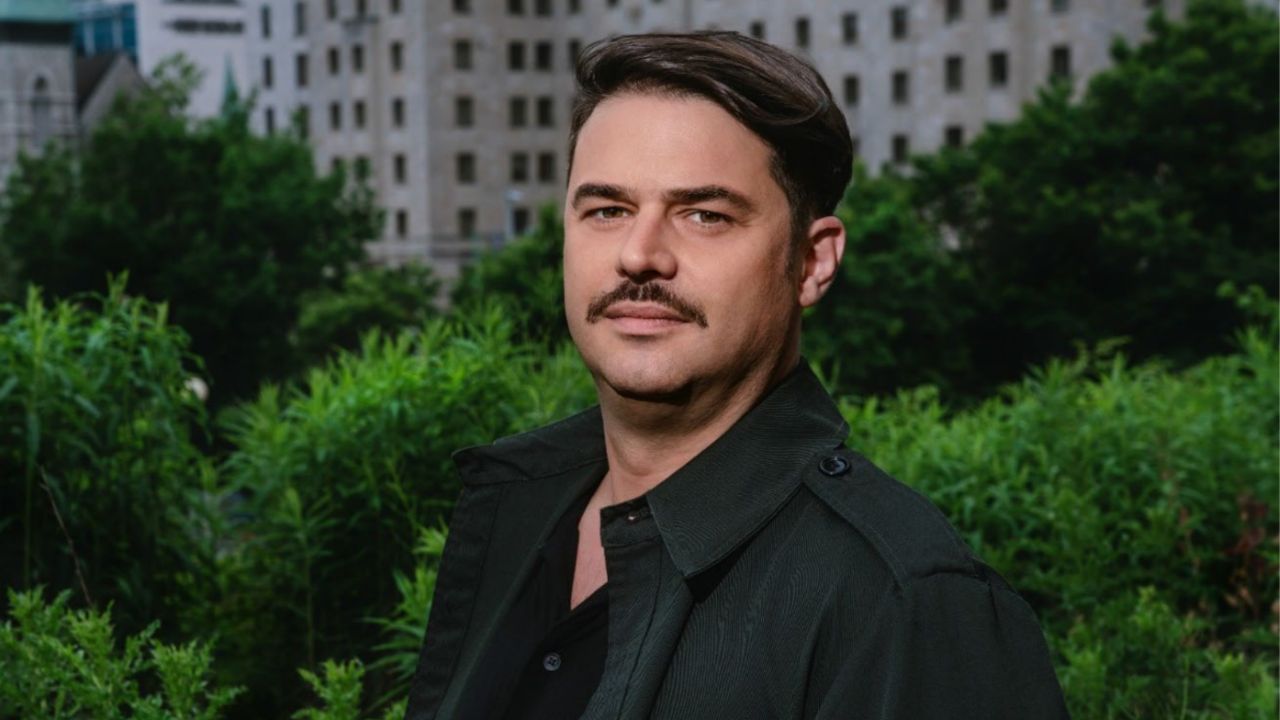
While the city’s first nightlife strategy reflected post-pandemic Ottawa, the next iteration will be more attuned to a city that is increasingly accepting and aware of the importance of a nightlife economy. Nightlife commissioner Mathieu Grondin told OBJ this week that last year’s biggest win was changing the attitude toward nightlife in Ottawa. “I think […]
Already a Subscriber? Log in
Get Instant Access to This Article
Become an Ottawa Business Journal Insider and get immediate access to all of our Insider-only content and much more.
While the city’s first nightlife strategy reflected post-pandemic Ottawa, the next iteration will be more attuned to a city that is increasingly accepting and aware of the importance of a nightlife economy.
Nightlife commissioner Mathieu Grondin told OBJ this week that last year’s biggest win was changing the attitude toward nightlife in Ottawa.
“I think the greatest success is that we are starting to shift the narrative and address those challenges we had when it came to the city’s branding. Just last week there was an article in the National Post about a survey showing Ottawa was voted the best place for gen Z to live in Canada. We’ve seen visitation to the ByWard Market go up. This is really good news,” he said.
Grondin said his favorite project from 2025 was Metcalfe Plaza, an open-air social hub at 151 Metcalfe St. near Gloucester Street.
“We didn’t have those placemaking projects with an outdoor venue and socializing hub. It really hit the nail (on the head). When it opened, it was a sellout almost every night, with a lineup of 100 people trying to get in.”
Now, Grondin and his team at the nightlife office will turn their attention to crafting the next nightlife strategy.
“We need to keep developing new nightlife initiatives. I’m lucky this year that we have a bit of funding from the municipal council, an envelope of $150,000 to support nightlife initiatives … Over time, if we look at continuous improvement, we will always need to revisit our regulatory framework, our bylaw framework and try to make those fit to today’s reality,” he said.
Since the first strategy was based on a post-pandemic Ottawa, it needs to be refreshed to better reflect today’s context.
“Now it’s time to revisit the strategy. We’ll be doing an economic impact assessment to scope out the socioeconomic impact of nightwork outside of the traditional nightlife sectors,” Grondin said, including people who work in health care, transportation, cleaning and logistics.
The refreshed strategy will also continue to focus on new nightlife projects, while helping to remove red tape for businesses and organizations. The nightlife office will spend part of the year consulting with businesses, city departments, workers and community partners to better understand what the strategy should focus on.
“We have a list of businesses, groups and industry organizations that we work with, many of them on the nightlife council. But we’re also aiming to chat with individual businesses, venues and event organizers. We’ll be reaching out to ask them to participate in group interviews,” Grondin said, adding that a survey for the public will be available on the city’s website next week.
Since the first strategy was created before the nightlife office was actually formed, creating the next one will allow him to reflect what he’s heard since he assumed his role in June 2024. “This is the big difference now. The first plan was to create a nightlife office. Now it’s really our chance to own that next strategy.
“It takes time,” Grondin said of crafting the next strategy. “It takes time to do the economic impact assessment, to do all of these one-hour interviews with different groups. We are working with an external consultant to do this and we’ll be working with another external consultant in the last part of the year to actually draft the strategy, which should be presented to council in Q1 of 2027.”