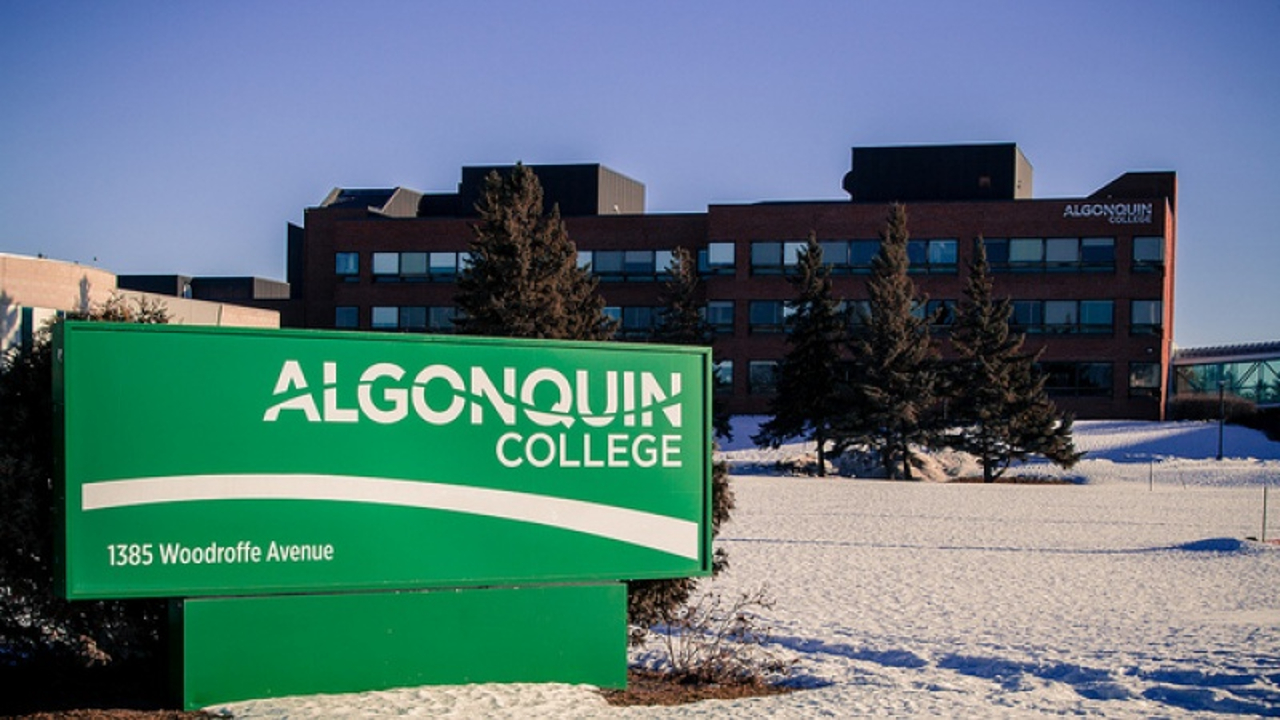

Local business leaders are frustrated by the proposed program cuts at Algonquin College, saying they anticipate a significant impact on various Ottawa industries. Last week, Algonquin College announced it is proposing to suspend 30 of its programs, including many media and hospitality-related programs such as journalism, music industry arts, hospitality, culinary arts and bartending. Students […]
Already a Subscriber? Log in
Get Instant Access to This Article
Become an Ottawa Business Journal Insider and get immediate access to all of our Insider-only content and much more.
- Critical Ottawa business news and analysis updated daily.
- Immediate access to all Insider-only content on our website.
- 4 issues per year of the Ottawa Business Journal magazine.
- Special bonus issues like the Ottawa Book of Lists.
- Discounted registration for OBJ’s in-person events.
Local business leaders are frustrated by the proposed program cuts at Algonquin College, saying they anticipate a significant impact on various Ottawa industries.
Last week, Algonquin College announced it is proposing to suspend 30 of its programs, including many media and hospitality-related programs such as journalism, music industry arts, hospitality, culinary arts and bartending. Students currently enrolled would be able to complete their studies, but new students would not be accepted as of this fall.
The college’s board of governors will decide the fate of the programs on Feb. 23.The full list of the programs is included below.
Clay Cardillo, managing partner and co-owner of Beckta Dining & Wine and Gezellig, told OBJ on Wednesday that he’s been watching the situation at Algonquin for about a year, since the federal government made changes to policies around international students in 2024.
“We’ve hired quite heavily from a lot of the programs at the college. Over the last five years, international students have come into the kitchens at all of our restaurants that came through (Algonquin College).”
Cardillo said he believes that, if the programs are suspended, the hospitality industry will see a depletion of its workforce by 2027.
“We may flip back into some of the issues we had in 2020 and in the COVID years (where) we were really struggling to find trained staff,” Cardillo said.
He added that many of his employees are graduates of programs that face suspension.
“If you were to look at our restaurants, especially but not exclusively at the back of house, I would say a minimum of 50 per cent of our employees are graduates of those programs. We’re looking for solutions, but it’s definitely going to (make an) impact in that way,” he said.
Cardillo, an alumnus of Algonquin’s culinary program, also serves as chairman for the college’s bar and wine program – a position that is now up in the air. “I’ve received my letter (saying) that will be on hold for a year. I’ve been (in) that (position) for about eight years,” he said.
The proposed program cuts would impact surrounding businesses, he said. “It does have a bigger ripple effect, too … When you lose post-secondary facilities, it’s going to affect the west end of Ottawa, from a coffee shop to the Loblaws that’s out there. We will deeply miss those programs.”
A spokesperson for Algonquin College explained that the college "continues to offer a range of programs that support workforce needs in the culinary, hospitality, and food services sectors," citing baking and pastry arts, baking and pastry arts management, culinary management, culinary skills, the culinary skills – cook II apprenticeship, and food and nutrition management.
Phasing out the music industry arts program a loss
Erin Benjamin, president and CEO of the Canadian Live Music Association, told OBJ this week that the association is “deeply frustrated and concerned” at the loss of many programs that touch the hospitality and entertainment industries. “The industry is certainly talking here in Ottawa and trying to strategize about how to amplify our concern,” Benjamin told OBJ. “We want to be a part of the solution, while fully recognizing that colleges and universities across Canada are facing similar situations. We may need to find some sort of industry-based solution, but right now we are focused on amplifying the impact that will be lost immediately if the MIA program is cut.” Benjamin said that, while changes to the music industry program would directly affect live music in Ottawa, the industry would be affected by proposed cuts in tourism and hospitality as well. “There won’t be people to do the jobs that need to be done,” Benjamin said. “If we’re not growing talent here in this pipeline, you disrupt the way that post-secondary education is supposed to work. “We have a thriving and growing industry with incredible momentum … In the nation’s capital, we have a mayor, council, business community and music industry that are laser-focused on leveraging the creative sector to build Ottawa’s brand, attract tourists and folks to come live, work and play here. If we pull a pin from the way the system works today, we are going to have to be incredibly mindful and intentional about solving the problem that this will create.” While she said solutions are unclear, affected industries will need to band together to figure out next steps. Earlier this week, the Ottawa Music Industry Coalition and Ottawa Festival Network launched a survey to better understand the impacts of the proposed program cuts on the arts and culture ecosystem in Ottawa. Melanie Brulée, executive director of OMIC, said the organization has already had a lot of input from the community and is reaching out directly to those who would be affected. With greater investments being made in the city’s festivals and nightlife, Brulée said the proposed program cuts would lead to labour shortages when the industry is in a growth period. “Losing the music industry arts programs is going to reduce the number of skilled workers that are available to local employers right away. There’s an immediate hit to that,” Brulée said. More than half of the employees that work at local production companies such as Encore and OSE are graduates of the music industry arts program at Algonquin, she said. The potential impacts of those programs being cut would go beyond live music, she said, touching business events and other city-building projects. “If we have a higher demand for that sector, it doesn’t make sense to cut programs in that area. We’re going to lose talent because they’re already leaving to go to major markets. We’re looking at the future and seeing an economic downturn and labour shortage (coming because of this).” The fact that most of the programs proposed to be suspended are in the arts and culture sector shows a deeper issue, Brulée said. “We’re cutting these programs, assuming that they don’t have a big impact. But we’re showing more and more the economic benefit to having healthy (arts and culture) sectors … We wonder why nothing is happening in town or why it’s difficult to build up a reputation for Ottawa in terms of events and music.” While Brulée understands that Algonquin is “operating with its hands tied,” the ripple effects of its decisions will be most felt by the city’s businesses. “You’ve got federal and provincial decisions being made, then you’ve got the college that’s having to shoulder the weight of that. Then you have the small businesses in the city that are the ones that feel the hit. It’s the people at the bottom that feel it the most,” she said. Brulée said OMIC will be advocating and supporting its members as decisions at the college are made. “It’s interconnected to everything we do. We’re trying to get some attention (to this matter). We’re not naive to think that we’re the only people that are advocating for a certain program not to be cut, but it’s frustrating.” On its website, Algonquin College says that the proposal to suspend the 30 programs “is part of Algonquin College’s strategic program planning, which includes responding to recent policy decisions by the federal government and prevailing provincial funding shortfalls. “The recommendations are a necessary response to rapid and significant shifts in the postsecondary landscape, including enrolment volatility and changing labour market and student demand.”List of programs proposed to be suspended:
- Sustainable architectural design
- Horticulture industries
- Horticulture techniques - apprenticeship
- Business in Pembroke
- Business fundamentals in Pembroke
- Computer programming in Pembroke
- Environmental management and assessment in Pembroke
- Manufacturing engineering technician
- Pathways to Indigenous empowerment
- Applied museum studies
- Design foundations
- General arts and science - aboriginal
- Journalism
- Music, media and film foundations
- General arts and science
- Music industry arts
- Illustration and concept art
- Bachelor of culinary arts & food science (honours)
- Bartending
- Business development and sales
- Hospitality - hotel and restaurant operations management
- Tourism - travel
- Law clerk
- Event management
- Financial services
- Paralegal
- Pre-health pathway to certificates and diplomas
- Pre-health pathway to advanced diplomas and degrees
- Recreation and leisure services
- Fitness and health promotion