A trio of Gatineau-based organizations are getting a total of $3 million in federal funding to build a “cybersecurity cluster” in western Quebec that’s expected to add 30 jobs to the local economy.
The cash is part of a $16-million investment in 34 Quebec businesses recently announced by the federal government.
Half of the funding in the Outaouais region will go toward launching the Digital Identity Laboratory of Canada. The government says the project aimed at accelerating the adoption of digital identity solutions for businesses will create 22 jobs.
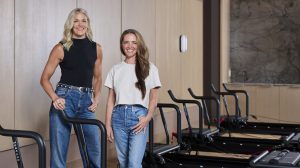
How Westboro’s female entrepreneurs are making it an attractive destination to live, work and play
When fitness guru Amber Stratton opened the first Pure Yoga studio in Ottawa in 2012, Westboro was her first choice. “The space we found was a really good starting point

How The Ottawa Hospital uses AI tools to boost health outcomes and streamline clinical efficiency
Dr. Douglas Manuel says it all began with the Ottawa Ankle Rules algorithm, a set of clinical guidelines developed in the early 1990s by The Ottawa Hospital’s Dr. Ian Stiell
In addition, the Cégep de l’Outaouais will receive $900,000 to help the college’s cybersecurity hub buy highly secure software, computer gear and network traffic generators. The new funding is expected to create five jobs.
The third recipient is In-Sec-M, a Gatineau-based organization that will receive $820,000. The funding is earmarked to help 150 businesses obtain special cybersecurity certification from Innovation, Science and Economic Development Canada aimed at protecting them against cyberattacks.
In a news release, federal economic development minister Mélanie Joly said the Outaouais cybersecurity sector is “buzzing with activity” and the new funding will help the industry continue to grow.
“Through our support for the Digital Identity Laboratory of Canada, the Cégep de l’Outaouais and In-Sec-M, we are helping small and medium-sized businesses to protect themselves against cyberthreats and to better position themselves in relation to global competition,” she said.