Get Our Email Newsletter Local news about the companies, people and issues that impact business in Ottawa and beyond delivered to your email inbox.
At the beginning of the year, Alex Moggridge wasn’t sure how his business might fare in the face of mounting pressures from U.S. tariffs. When the LCBO pulled American products off its shelves, Moggridge, who owns Ottawa-based bar service Thirst Responder, could no longer source ingredients for some of his core offerings, such as Kahlua […]
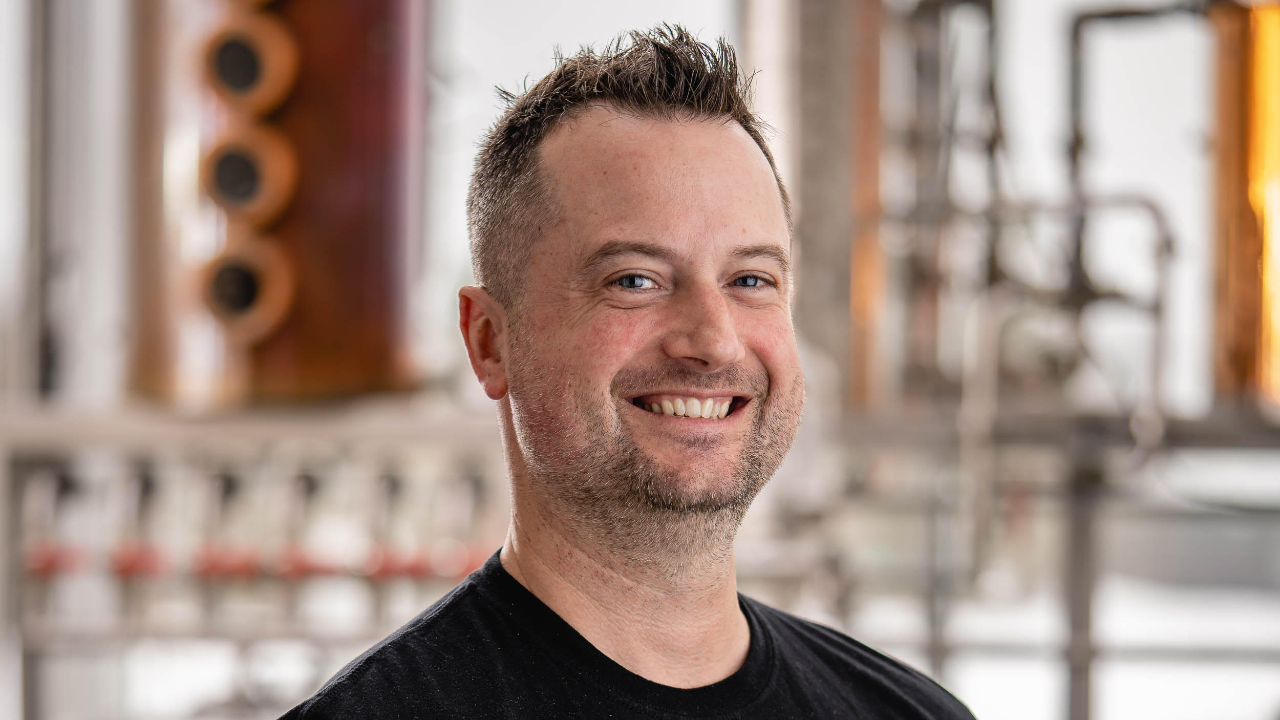
At the beginning of the year, Alex Moggridge wasn’t sure how his business might fare in the face of mounting pressures from U.S. tariffs.When the LCBO pulled American products off its shelves, Moggridge, who owns Ottawa-based bar service Thirst Responder, could no longer source ingredients for some of his core offerings, such as Kahlua for espresso martinis and bourbon for old-fashioneds and Sazeracs.“It’s one of those things that you assume was always going to be there. It’s always at the back of your grandma’s cabinet. But then, all of a sudden, it’s pulled off of shelves. It throws off your whole business. It throws off pricing, how you structure events and it throws off consumer perception as well,” Moggridge explained in a recent interview with OBJ.The good news was that trade woes with the U.S. ignited a wave of national pride, with many Canadians making concerted efforts to support domestic and local brands. Moggridge admits he was shocked at how fast people changed their perceptions, and not only about American products. When British company Diageo, parent company of whiskey brand Crown Royal, decided to close its Ontario bottling facility, Moggridge said he experienced first-hand his customers’ reactions. “That weekend we had an event and I’d already paid for the inventory. I had a bunch of bottles of Crown Royal. There’s several thousands of people at this large event and about half came up to (us) like, ‘I can’t believe you guys have Crown Royal and that you’d support moving the facility out of Ontario,’” he said. “It was really impressive to see people no longer just drinking with their pinkies out, but with their elbows (up).”Overall, Moggridge said that consumer sentiment against imported brands became an opportunity to form relationships with local and Canadian businesses to find alternative products. “It allowed us to be more innovative and try new locally produced products and build more relationships with local distilleries in the Ottawa region, like SFR Distilling out of Kanata, whose corn-based whiskey is the best thing we can get our hands on for a bourbon alternative,” Moggridge said, adding that wines from Navan-based Domaine Perrault were also good alternatives for wines he used to source from California.In the end, he was able to help his company and his team continue to grow. In fact, he said, Thirst Responder saw one of its best years on record in 2025, with more large events such as weddings, festivals and fairs returning after the pandemic.Alex Moggridge, owner of Ottawa-based bar service Thirst Responder. Photo supplied.Now, in the lead-up to the holidays, Moggridge is set to be a vendor at the Ottawa Christmas Market at Lansdowne Park. Over the past six years, the event has proven to be the busiest time of year for the bar service, he said. “It’s extremely good exposure.”And, as the calendar turns to 2026, Moggridge said Ottawans might see his bar service on the world’s longest skating rink. “We’re in talks with the NCC about putting Thirst Responder on the Rideau Canal Skateway. It’s weather-dependent, but hopefully we have a great icy season.”
More room on the shelf for Vodkow
Over at Almonte’s Dairy Distillery, Anthony Seed, managing director of cream liqueur brand Vodkow, said the U.S. tariffs and associated fallout were good news for his product.“The tariff situation and anti-American sentiment has helped bring Canadian products to light. There’s been a lot more awareness for Canadian products, which helps us and our fellow producers to get more shelf-space at retail (stores) and stay top-of-mind. We’re not negatively affected by tariffs (since) we don’t source anything from the U.S.“The negative piece of it is it has really been disrupting the supply chain, with people looking to source from different countries and having to pivot. It slows things down that we would normally get a lot quicker, like bottles,” Seed added.While it had always been important to let people know Vodkow was a locally made product that supported local dairy farmers, it became imperative to do so in 2025, he said.And it paid off. About half-way through the third quarter, Vodkow has seen 20 per cent growth in revenue year-over-year, Seed said. Also a longtime vendor at the Ottawa Christmas Market, Seed said Vodkow’s bread-and-butter is the holiday season. “This is our biggest moment of the year given the fact that (Vodkow) is a very seasonal product as a cream liqueur. From now until the end of the calendar year, it’ll be very important to capture as many sales as possible,” Seed said. He added that the opportunity to get feedback first-hand at the market is unmatched.“You really get to capture what in the industry is called ‘liquor on lips.’ Traditionally, you’d only get that through paying for programming at the LCBO or at a retailer that sells your product … Those programs are quite costly, but it allows us to really interact with the customer and it gives us feedback on the spot. Quite often, we’ll get suggestions for new flavours,” Seed said. “It’s of vital importance that we’re able to be out and telling our story and sampling to people where they can make a buying decision.”While he expects to finish the fiscal year “with fantastic growth,” Seed also foresees good things for Vodkow going into 2026, including expanding the partnership it established with Costco in 2025. “One thing we’ve achieved this year is to get into grocery (stores). Costco is a great supporter of local … Moving forward, we really want to expand that partnership and, hopefully, we get some opportunities with some of the other grocery chains as well.”