
Nitin Mehra lives and breathes food and all things cooking. It’s why he and his family opened the East India Company restaurants in Ottawa, where Mehra has been a chef since the mid-2000s. It’s also why he chose to teach culinary arts at Algonquin College, the program he graduated from in 2005. And, more recently, […]
Already a Subscriber? Log in
Get Instant Access to This Article
Become an Ottawa Business Journal Insider and get immediate access to all of our Insider-only content and much more.
- Critical Ottawa business news and analysis updated daily.
- Immediate access to all Insider-only content on our website.
- 4 issues per year of the Ottawa Business Journal magazine.
- Special bonus issues like the Ottawa Book of Lists.
- Discounted registration for OBJ’s in-person events.
Nitin Mehra lives and breathes food and all things cooking.
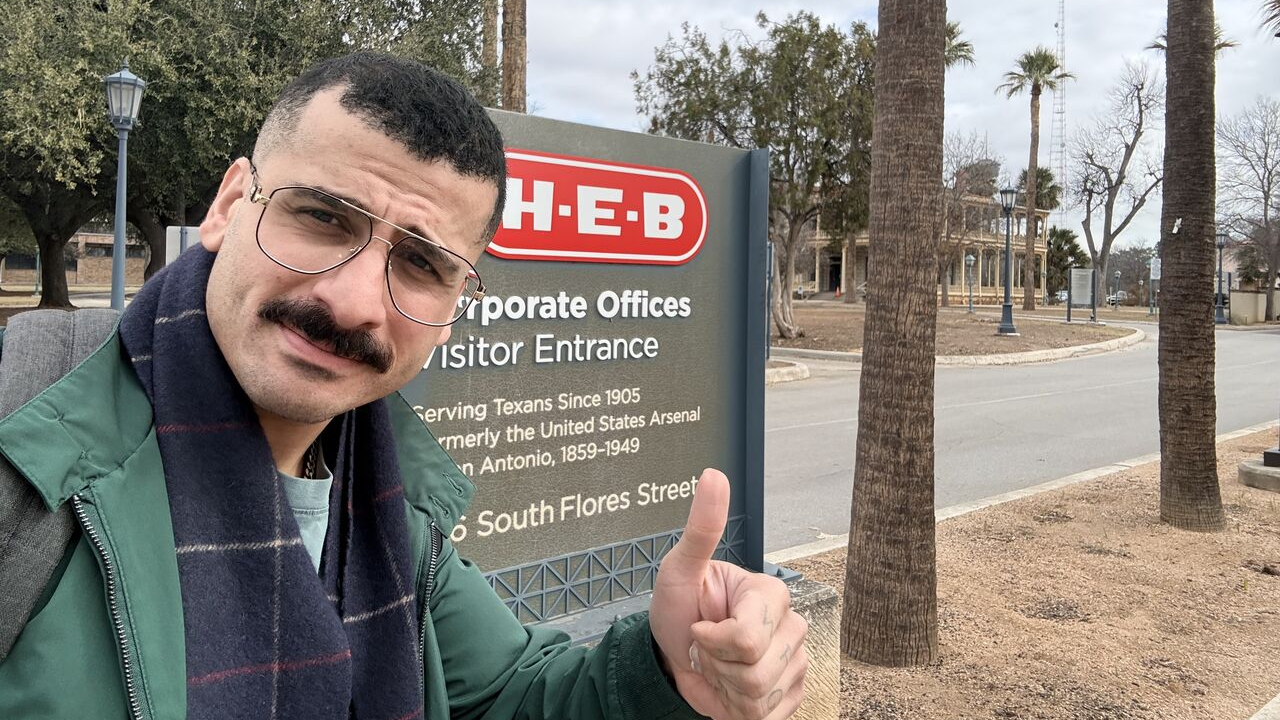
It’s why he and his family opened the East India Company restaurants in Ottawa, where Mehra has been a chef since the mid-2000s. It’s also why he chose to teach culinary arts at Algonquin College, the program he graduated from in 2005. And, more recently, it’s why he was in San Antonio, Tex., meeting with representatives from American grocery chain H-E-B to talk about samosas.
Mehra told OBJ he heard about the American grocery brand’s request for proposals for samosas through East India Company’s logistics partner in Toronto, and so last week he flew to San Antonio to drop off some samosa samples himself.
“(Our logistics partner) knows us from our past experience working with Farm Boy, Sobeys … He knows our speciality is in South Asian flavours, so he came and spoke to us,” Mehra said.
Given its experience in the Canadian grocery market, East India Company is looking to grow its audience for consumer packaged goods, Mehra said, which is why the family looked to the U.S.
Though East India Company has already started to expand its reach to the U.S. through partnerships with other American food companies, the work with H-E-B would be the first venture with such a large American retailer.
“If you’re looking at the (consumer packaged goods) space at home, we have 40 million people spread out across a very large space,” Mehra said. “Down south, they have 10 times that (population) in essentially the same realm of space, but you have a few pockets that are very highly populated. So your ability to sell increases drastically.”
H-E-B was looking for “bizarre flavours” in its RFP, Mehra said, but he worked with the retailer to figure out what would best suit its audience.
“It was about working with them to narrow that down with what we’ve seen work. So, for example, a classic South Asian potato samosa … So far, we’re waiting on feedback, but things are looking great.”
It was in 2007 when Mehra and his family first saw a gap in the international foods market at Canada’s largest grocery chains. They began working with Guelph Food Technology Centre to develop a recipe for butter chicken sauce to sell in stores.
“I was fortunate enough to already be a working chef, developing those recipes and then taking them to (contract packers) … (We worked) with retailers to see if they also saw that same gap and opportunity. Here at home, Farm Boy has been fantastic … to help build that space,” Mehra told OBJ.
“It’s important to meet people where they are when it comes to food. While we are grateful for every customer that visits us at the restaurants, we knew we had to expand into (consumer packaged goods) at some point. (The) writing was on the wall for us.”
In addition to Farm Boy, East India Company has worked with many of Canada’s largest grocery chains over the years, including Kirkland, Loblaws and Sobeys, to research and develop food products, many of which reflect Mehra’s cultural background, such as sauces, spice blends, chutneys and frozen appetizers.
“It’s really just about the food,” Mehra said of why he and his family enjoy R&D. “We love South Asian food and flavours. So if we can get more people to try masala or butter chicken, great. If it means that Farm Boy wants to put their label on it, great.”
However, while sharing restaurant-quality food is the goal, it doesn’t mean every recipe will translate directly into a grocery product, Mehra said.
“Oftentimes what we see at the restaurant, like with butter chicken sauce for example, it’s not going to work for someone at home, cost-wise. And, in a shelf-stability view, it just doesn’t make sense,” he said, adding that that’s where research and development comes in to adapt recipes to make them suitable for grocery stores.
Still, developing flavours, whether it’s for East India Company’s private label or for a grocery chain, doesn’t happen by chance, Mehra said.
“It’s because I’ve seen it working day in and day out and we’ve been able to hang our businesses on it. I approached the grocery landscape in the same sense,” he added.
Looking ahead, Mehra wants to continue developing interesting recipes to share with a wider audience.
“It always goes back to identifying, ‘Why don’t we have this on the shelves yet?’ (and) knowing what folks are looking for,” he said, adding that East India Company will be looking to expand its portfolio in the private label space to include products with East Asian, Japanese and Hispanic flavours.