

Working side by side with clinicians, caregivers, and health organizations, Carleton researchers are developing technologies that strengthen patient care where it matters most.
From protecting premature newborns in intensive care to helping seniors remain independent at home, researchers are deploying robotics, sensors, AI, and simulation technologies that make care safer and more effective. And through deep collaborations with Ottawa’s hospitals and health research institutes, their work is reaching patients faster.
Advancing accessibility and independent living
Carleton’s Abilities Living Laboratory (ALL), located in the university’s Advanced Research and Innovation in Smart Environments (ARISE) building, brings together engineers, clinicians, designers, researchers, and industry partners to co-design and test technologies that foster independence and inclusion.
“ALL is a unique multidisciplinary hub that enables us to work closely with community members and health care professionals to develop solutions that enhance daily life for people with a wide range of needs,” says Adrian Chan, professor with Carleton’s Department of Systems and Computer Engineering and director of ALL.
“Through collaboration and human-centered design, we’re creating technologies that not only address practical challenges but also enrich everyday experiences and support people in living more independently and fully.”
With support from the Canada Foundation for Innovation and the Ontario Research Fund, ALL’s network of specialized laboratories is closing gaps in care across a broad spectrum of accessibility challenges.
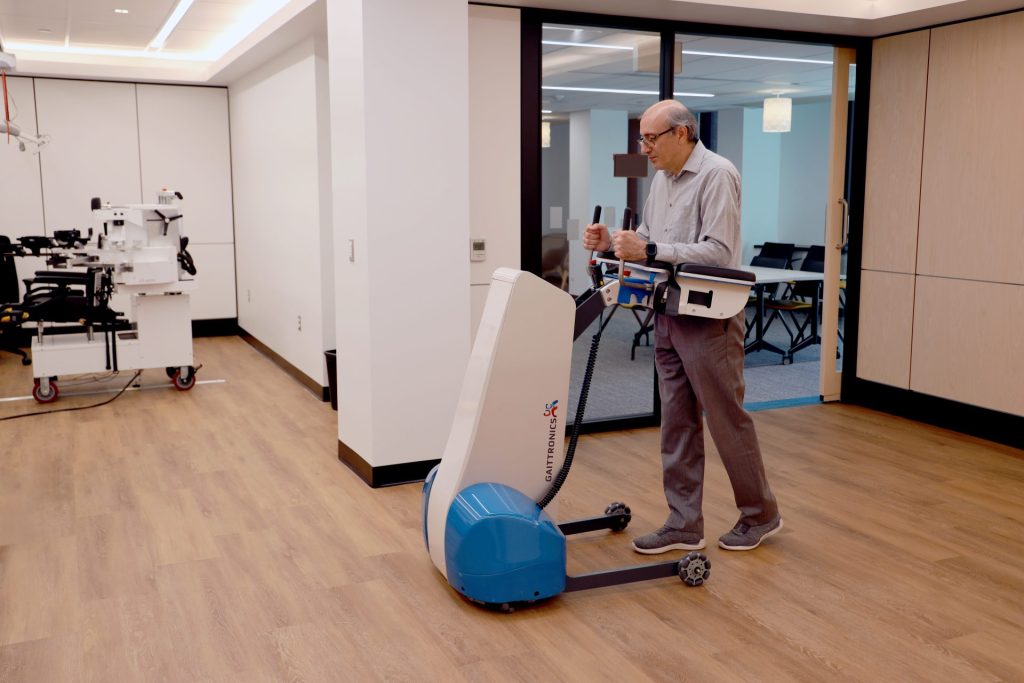
At ALL’s Rehabilitation Robotics Laboratory, professor Mojtaba Ahmadi from the Department of Mechanical and Aerospace Engineering and his team are developing AI-powered assistive technologies that respond to a person’s movements in real time—helping restore motion and independence for people with mobility impairments.
Carleton’s Food Design Lab, also housed within ALL, is combining food science and 3D printing technology to improve quality of life for people with swallowing disorders, known as dysphagia. Led by Department of Chemistry professor Farah Hosseinian, the lab is developing customized meals that are both safe and appetizing—helping individuals eat with greater comfort and confidence.
“Nutrition is such a fundamental part of health and well-being,” says Hosseinian. “By designing personalized, easy-to-swallow meals that don’t compromise on taste or dietary needs, we hope to restore the joy of eating for those who face daily challenges at mealtimes.”
Helping seniors age in place
As Carleton experts continue to advance health accessibility, they’re also tackling one of Canada’s most pressing challenges: supporting an aging population.
Through the Aging Gracefully across Environments using Technology to Support Wellness, Engagement and Long Life (AGE-WELL) Sensors and Analytics for Monitoring Mobility and Memory (SAM3) National Innovation Hub—a collaboration between the AGE-WELL Network Centres of Excellence, Carleton University and the Bruyère Health Research Institute—clinicians and researchers are developing sensor and data technologies to help older adults live safely and independently at home for longer.
Supported by the National Research Council Canada (NRC) and working with over 30 industry partners, AGE-WELL SAM3 bridges academic research and real-world application to improve quality of life for seniors.
“Our goal is to co-create solutions with older adults, caregivers, and clinicians,” says Rafik Goubran, Vice-President (Research, Innovation and International) at Carleton and a lead researcher with AGE-WELL SAM3. “Collaboration is key to developing technologies that make everyday life better for seniors and their families.”
From smart-home systems that detect changes in mobility patterns to AI-driven tools that provide early warnings for caregivers, AGE-WELL SAM3 and Bruyère are pioneering technologies that help seniors maintain autonomy and families gain peace of mind.
Protecting newborns when it matters most
At the other end of the care continuum, Carleton has partnered with the Children’s Hospital of Eastern Ontario (CHEO) and the NRC to safeguard newborns during their most vulnerable hours.
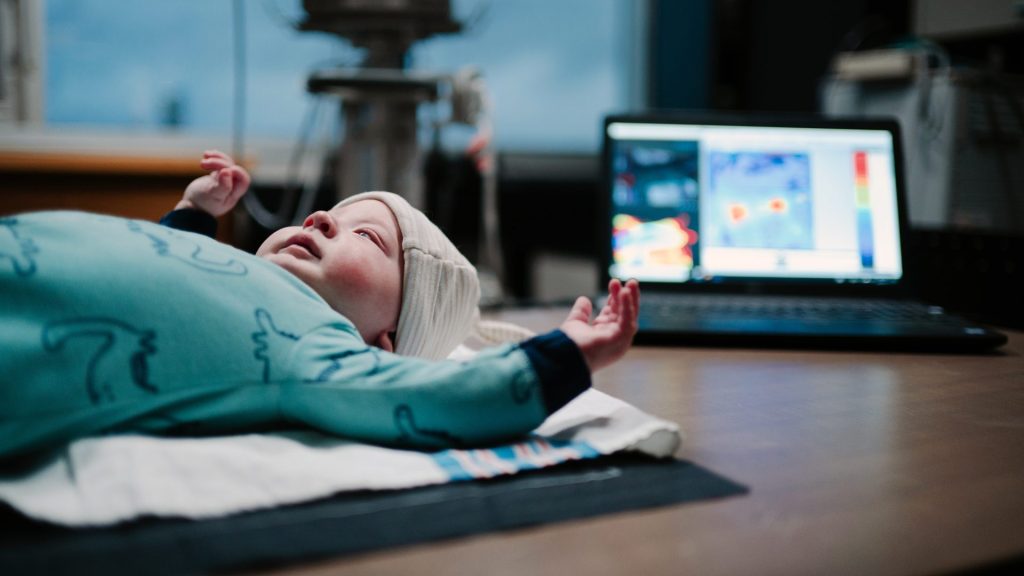
Within CHEO’s neonatal intensive care unit (NICU), professor James Green, from Carleton’s Department of Systems and Computer Engineering, is developing advanced monitoring systems that give clinicians real-time, non-invasive insight into newborns’ vital signs—helping detect complications sooner and enabling faster, more responsive care.
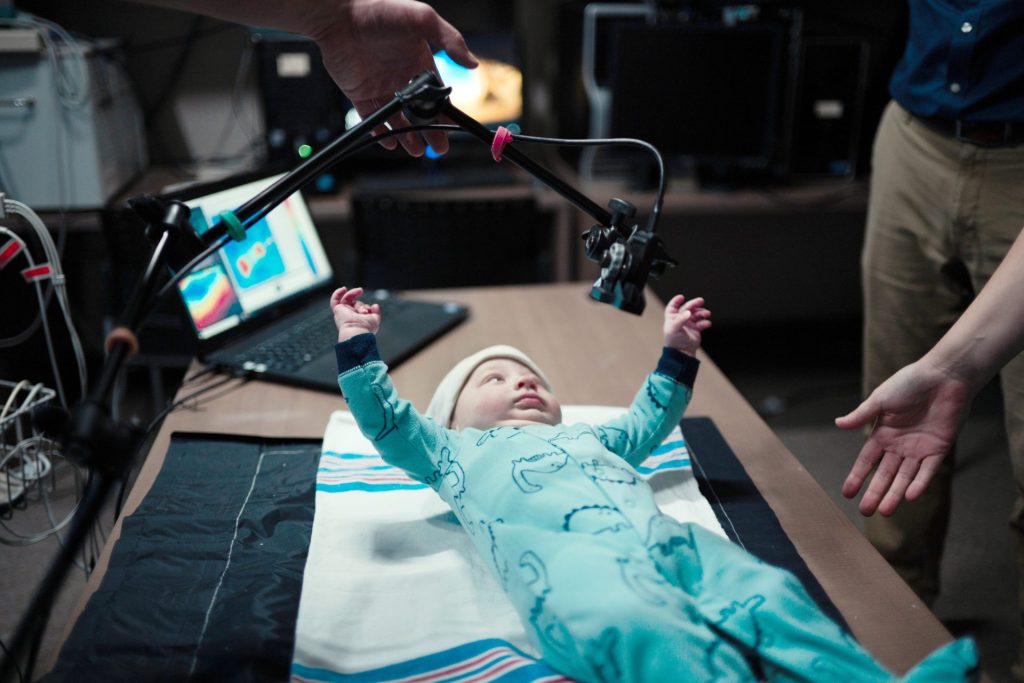
Building on Green’s work inside the NICU, Professor Rob Langlois, from Carleton’s Department of Mechanical and Aerospace Engineering, is tackling the risks newborns face during transport between hospitals and care facilities.
“The journey between hospitals can expose newborns to considerable vibration and noise,” says Langlois. “For premature or critically ill infants, reducing this exposure is critical for protecting their vulnerable neurological and physiological systems.”
To better understand the forces newborns experience during transport, Langlois is working with a wide network of partners, including the Ottawa Paramedic Service, Ontario’s air ambulance service (Ornge), and medical transport equipment manufacturers International Biomedical and Stryker.
By combining advanced data collection with simulation and industry expertise, Langlois and his team of undergraduate and graduate students are helping design next-generation transport systems that keep infants more stable—and better protected—during ambulance and air transfers.
A growing commitment to health
Carleton’s growing leadership in health technology is now extending beyond the lab. This fall, the university launched a new Nursing program, part of its broader commitment to health-care education and workforce development across Ontario and beyond. The program will be housed at Carleton’s CU@Kanata campus, positioning students at the heart of Canada’s largest technology park.
From robotics labs to hospital wards, Carleton and its partners are proving how innovation can make care more responsive, inclusive, and effective. By working hand in hand with clinicians, caregivers, and industry, the university is translating research into real-world solutions—strengthening Ottawa’s health-tech ecosystem and the quality of care across Canada.