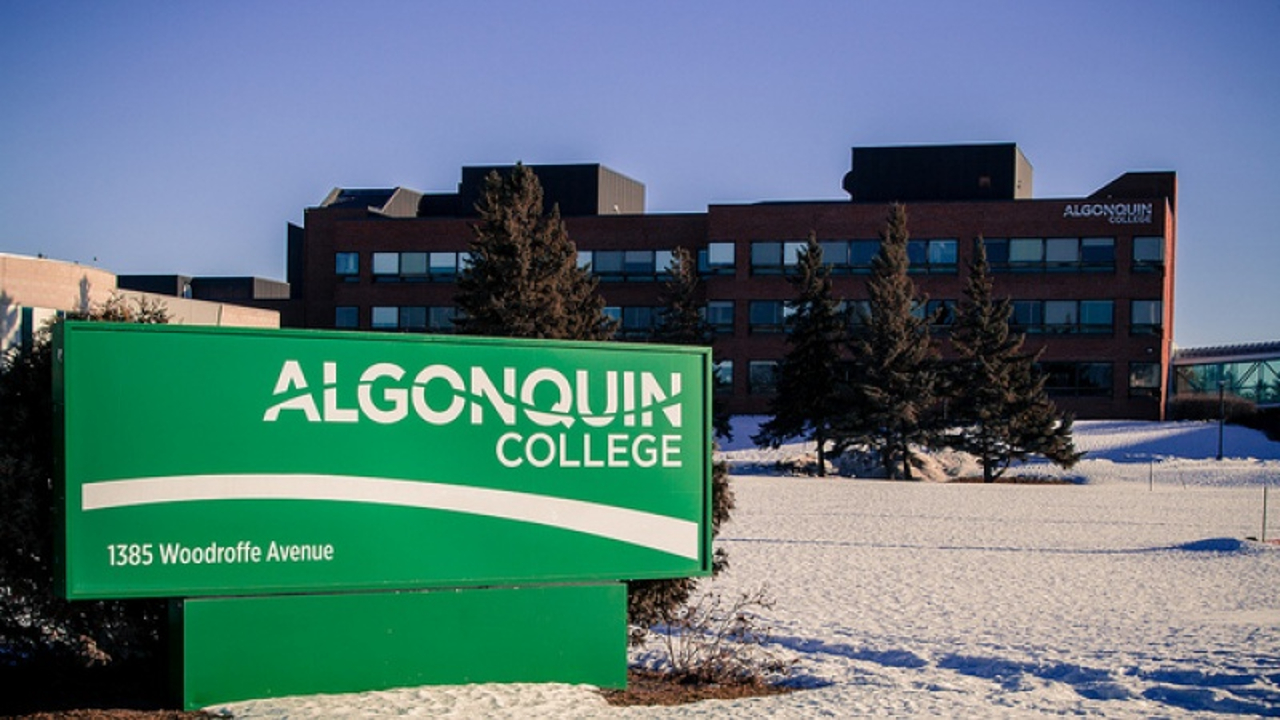

The decision by Algonquin College to suspend 30 of its programs has stakeholders in the music and hospitality industries planning next steps. In January, Algonquin announced it was proposing to cut 30 programs, including journalism, music industry arts, hospitality, culinary arts and bartending. The college’s board of governors voted in favour of the motion to […]
Already a Subscriber? Log in
Get Instant Access to This Article
Become an Ottawa Business Journal Insider and get immediate access to all of our Insider-only content and much more.
- Critical Ottawa business news and analysis updated daily.
- Immediate access to all Insider-only content on our website.
- 4 issues per year of the Ottawa Business Journal magazine.
- Special bonus issues like the Ottawa Book of Lists.
- Discounted registration for OBJ’s in-person events.
The decision by Algonquin College to suspend 30 of its programs has stakeholders in the music and hospitality industries planning next steps.
In January, Algonquin announced it was proposing to cut 30 programs, including journalism, music industry arts, hospitality, culinary arts and bartending. The college’s board of governors voted in favour of the motion to suspend the programs on Monday. A full list of the programs is included below.
Julie Beauchamp, senior vice-president academic at Algonquin, told OBJ on Tuesday that the cuts were made due to economic strain on the college.
“Post-secondary institutions have been facing very difficult and unprecedented fiscal challenges with the recent (Immigration, Refugees and Citizenship Canada) decision regarding post-graduate work permit eligibility of programs, which has fundamentally changed our enrolment landscape,” she explained.
“What we have focused on is truly taking a good, integrated look at our portfolio of programs, ensuring that it is sustainable, viable over time and that it meets industry demands and ministry priorities.”
The decision to cut 30 programs came down to seeing what the college could afford and what the programs could do for students once they graduated.
“What we have done is identified, within our portfolio, which programs required cross-subsidization … and map them against several consideration factors, including labour market needs, strategic priorities, student demand and ongoing enrolment … We had to make difficult decisions, not on the judgement or the value of the discipline or the quality of the education, but just what we can afford,” Beauchamp said.
Since Algonquin announced its intention to cut the programs in January, many stakeholders have expressed concern about the way the changes have been communicated and about what they may mean for the sectors affected.
Beauchamp said it’s normal for people to be concerned, but added that Algonquin is thriving in other areas.
“It is just normal, I think, in a time like this to focus on the cuts rather than what the portfolio offers. Not only do we have very strong trades, technology, health and STEM programming, we are expanding that programming and investing in that programming. At the same time, we’re not just cutting to cut. We are reimagining, even in regards to the media, design and arts programs. How do we build on creative industries?” Beauchamp said.
While some hospitality and media programs have been cut, Beauchamp said Algonquin still offers other adjacent programs with strong enrolment.
“We have not withdrawn from culinary (arts) in this particular round of cuts at all. It was hotel and restaurant management and a degree program that has struggled with enrolment from the beginning. (We still offer) baking and pastry arts and (other) culinary programs,” she said.
Students in the affected programs will be able to finish their studies, but Algonquin will not accept new students starting in the fall.
Mélanie Brulée, executive director of the Ottawa Music Industry Coalition, said the decision is disappointing, but not surprising.
When the college proposed cutting the music industry arts program in January, OMIC, the Ottawa Festival Network, Optimal Show Experience and the Canadian Live Music Association penned an open letter to the college’s board of governors, urging it to reconsider and describing how cutting the program would negatively impact the local and national cultural economy.
OMIC also launched its “MIA Matters” campaign, urging residents and businesses to send a letter to Algonquin to argue why the college should keep the program.
“We had over 1,100 letters sent through our campaign of people supporting the music industry arts program and through all the preliminary research we’ve done through this, (the decision to cut the program) doesn’t seem to align with the reasons that Algonquin is giving. They’re talking about intake, financial viability and workforce. None of that aligns. We’re not a part of STEM,” Brulée said.
OMIC’s research showed that, over the 16 years Algonquin has offered the music industry arts program, it has had an 82.6 per cent graduation rate with 92.3 per cent of graduates finding employment in the sector.
Brulée said OMIC and other stakeholders in Ottawa’s cultural economy will be looking at next steps. “We need to start having conversations about how we can train this workforce that we desperately need in Ottawa. We have a lot of municipal plans, tourism plans and nightlife economy action plans that rely on events and this workforce. This is exposing a huge risk for many plans related to downtown revitalization.”
She added that OMIC will be looking at ways to get the business community involved.
Clay Cardillo, managing partner of Beckta Dining & Wine and Gezellig, told OBJ that this decision will impact his industry over the next six months to a year.
“We’ve yo-yoed. There was a real problem during COVID for all of the same reasons, then we found a resource which we have relied on heavily for the last four years and had great success with, and now it’s kind of dried up as well,” Cardillo said, adding that Beckta, Gezellig and Play Food & Wine have employed many international students from Algonquin’s culinary programs, where they made up over 50 per cent of the kitchen staff.
The college’s delay in making a decision on the fate of the programs offered Cardillo and his team time to think about their next move, though they don’t have a clear picture on a solution just yet.
“We are working on an in-house training program that changes a little bit from what we had before … We’re just trying to create a strategy now. I don’t have an answer to that question just yet, but it is very top of mind right now of how we’re going to replace that loss from the college,” he said.
On the bright side, Cardillo said the college will still offer some culinary programs. “Most of the culinary programs and culinary management have remained strong, as well as pastry and baking (programs). So, at least on that end of our operations, it should help to some extent, but many of the others have dissipated.”
List of programs proposed to be suspended:
- Sustainable architectural design
- Horticulture industries
- Horticulture techniques – apprenticeship
- Business in Pembroke
- Business fundamentals in Pembroke
- Computer programming in Pembroke
- Environmental management and assessment in Pembroke
- Manufacturing engineering technician
- Pathways to Indigenous empowerment
- Applied museum studies
- Design foundations
- General arts and science – aboriginal
- Journalism
- Music, media and film foundations
- General arts and science
- Music industry arts
- Illustration and concept art
- Bachelor of culinary arts & food science (honours)
- Bartending
- Business development and sales
- Hospitality – hotel and restaurant operations management
- Tourism – travel
- Law clerk
- Event management
- Financial services
- Paralegal
- Pre-health pathway to certificates and diplomas
- Pre-health pathway to advanced diplomas and degrees
- Recreation and leisure services
- Fitness and health promotion