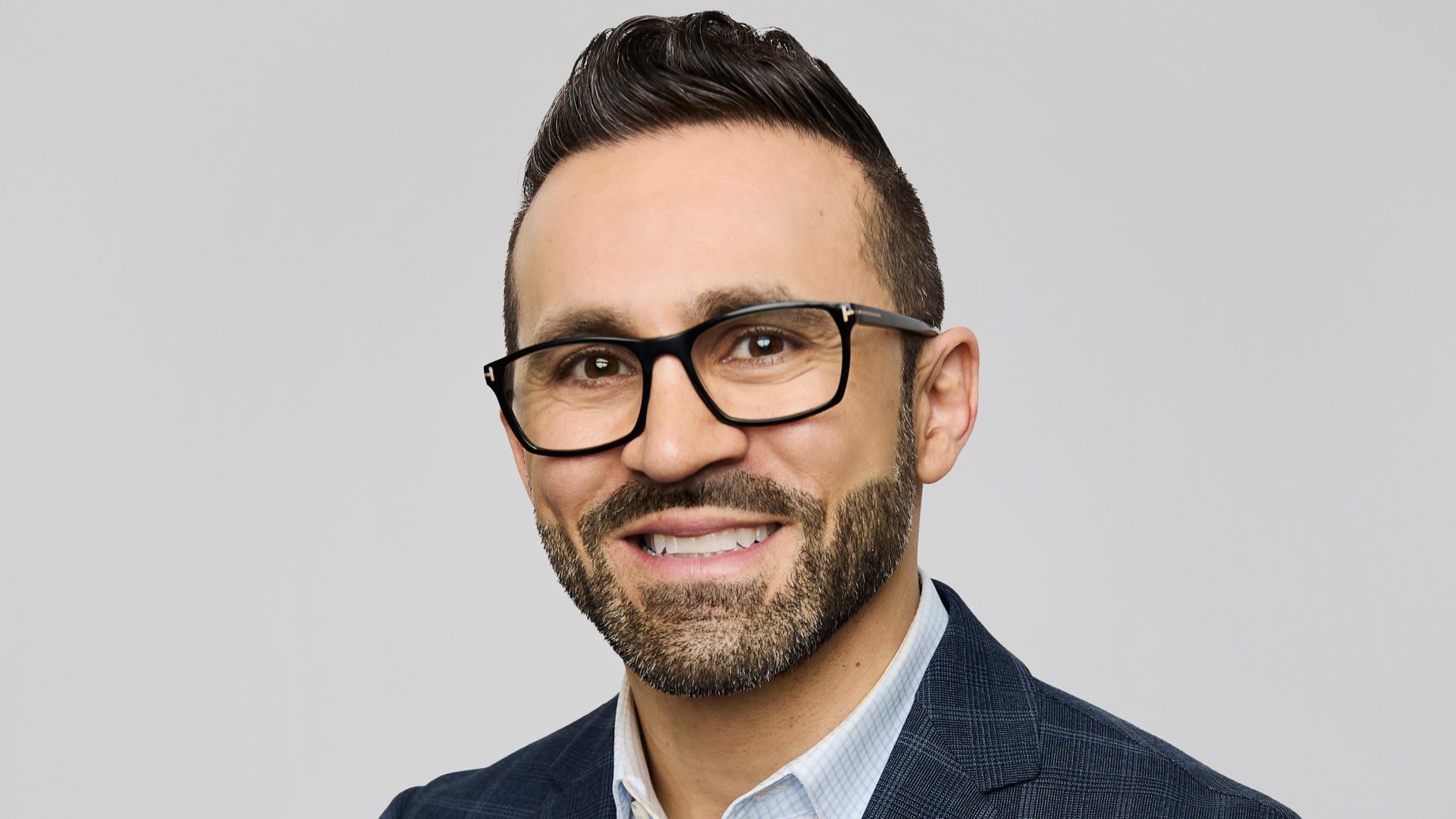
In the accounting world, clients have more information at their fingertips than ever before. But, according to GGFL’s Chad Saikaley, that access has only served to overwhelm, especially in a rapidly changing landscape.
Get Instant Access to This Article
Become an Ottawa Business Journal Insider and get immediate access to all of our Insider-only content and much more.
In the accounting world, clients have more information at their fingertips than ever before. But, according to GGFL’s Chad Saikaley, that access has only served to overwhelm, especially in a rapidly changing landscape.
“There are a lot of changes in our industry,” he told OBJ on Thursday. “Keeping the firm ahead of market trends and market changes, that’s something we’ve always done. But going forward, it’s going to be required at a pace that may be quicker than what we’ve been used to in the past.”
Earlier this week, Saikaley was announced as GGFL’s new managing partner, succeeding Josh Engel, whose term ended at the start of the year.
Saikaley has spent the past eight years as the organization’s head of tax, managing a team that has doubled in size. In his new role, which also involves being GGFL’s spokesperson, he’ll be shepherding the firm through a number of changes, from AI and automation to a dynamic tax environment with the potential to create haves and have-nots.
OBJ caught up with Saikaley to better understand his priorities and what’s on his mind as he steps in as managing partner.
The transcript has been edited for length and clarity.
Clients are looking for compliance support year-round
“One thing that’s not getting a lot of coverage, I would say, is compliance, kind of as a whole. Compliance would include things like annual financial statements, tax returns, those sorts of things. They’ve always been viewed as an annual matter; people have to file their returns every year. But there's been a shift, and there's a continued shift, where it’s becoming much more continuous, as opposed to annual.
“(For accounting firms), it means getting information, relevant information, earlier, sooner, and actually acting upon it earlier, not just thinking about. It means getting involved more often and trying to understand clients’ goals and expectations. And for those clients that you know are looking for more insight more often, it's setting up our engagement to be just that and having our engagement team accommodating their needs. It’s interesting because it has a number of implications in terms of who you have on that team and what sort of skill set is needed.”
Technical skills are no longer enough
“Traditionally, people will go through school, get an accounting degree, get a designation, and then get to work. It’s a more traditional cycle. Whereas now, we’re looking for added skill sets. It’s not just, do you know the technical stuff? It's becoming much more so about how to apply that technical knowledge and whether you know how to apply it in various situations. It's less rules-driven and more client-driven. Client-driven is about being more like, look, I know that this is what the data is telling me, but what do I do from here? If these are my goals, where do I go from here? It's taking it to that next level.
“(The way we work with clients) has changed. Clients are more financially sophisticated now that they've got a lot more information. However, with that added sophistication of data and information, there's actually much more of a feeling of being overwhelmed. So it's interesting, because you would think that with more data, with more access to information quicker, maybe there'd be a bit more clarity, but it's actually leading to less clarity. There's just so much out there and they're not financial professionals. They need us to try to help them navigate through all this data, all these various unknowns, all these what ifs. That’s something I’m noticing lately.”
AI is useful, but high-risk for clients
“I'm noticing clients are asking questions that they would have already asked AI and then coming to us with, well, this is what AI is saying. And it's interesting, because I'll tell you, in every one of these situations so far, they've come back either being completely wrong because they got the wrong context, or actually illegal. It's one thing to say, I'm gonna ask AI a bunch of questions and you're prompting it well. But then, when you’re running something through AI, a lot of it is the follow-up questions. That’s when you start re-prompting to narrow down a bit better to your situation. Well, if it's something that's super-technical and you don't know exactly how to re-prompt it, you could be going off into an area that, like I said, the worst I've seen is that it's actually illegal. Wrong context, wrong country, whatever the case may be.
“I think it's really important for people in any industry to have AI work in a way where it's helping you, as opposed to doing things for you. There's got to be a purpose to it. The way we are doing it, we can focus more heavily on the issues that matter, the conversations that matter. You as a client want to get your financials done, your tax return done, of course. But I believe what you would value more is further insights, catered to your situation, but also your goals; what you're hoping for and what you're looking towards.”
Automation is changing junior responsibilities, dividing the industry
“With automation, we look in terms of what information or tasks that are repetitive. If it's repetitive and we don't believe it’s necessarily helping people grow more professionally, then that's something that would be an opportunity for automation. As opposed to looking at talent and people, students coming out of university and actually offering them a traditional accounting role where you're just going through data for months and months at a time, and then slowly work your way up. You know you’re progressing your overall skills.
“This is going to be challenging for everybody, to think outside the box more and earlier. And so we're going to be looking for more advisory skills and less pure technical skills. There is an advisory focus. So this is neat in the sense that I think it provides companies and firms the opportunity to potentially offer a more attractive role and job for young, key talent.
“(Automation) is also one of those things where you see large companies around the world focusing heavily on creating efficiencies, and that could be a direction, but it’s not one direction for all. But for GGFL, we are not going to be going down that path. So we have a long history of focusing on that relationship, focusing on giving that personalized advisory services piece. We're not going to go down the path of just focusing on volume and getting as much work out as possible. We're much more comfortable and happy focusing on fewer clients and diving in much deeper with those clients, than going down the other direction where you can take on more work.”
Businesses are overwhelmed and missing out on opportunities
“It's not really sexy but things have been getting much, much more complicated. Almost every federal budget that comes out, there are more and more rules and more and more complexity. It's been interesting for the general taxpayers to try to follow along. And it's actually becoming harder for companies and taxpayers to follow along and either A, do the right thing, or B, take advantage of the opportunities that the government is allowing you to take. We’ve got a lot of business owners especially complaining about this.
“I don’t think it’s any one thing in particular; it's just pure volume. There's just change after change after change. It’s almost at a point where it's creating haves and have-nots between businesses. You're either getting the right advice or you're not. And the difference can be meaningful. That's not a good thing for our country to have that much of a divide within businesses in an industry. It does get to that point where you're either aware of these opportunities and you're taking advantage of them or you're not. It doesn't get a lot of press, but it's something that we've been seeing more and more of over the years.”