
Measures such as a pilot project aimed at spurring more office-to-residential conversions in Ottawa are showing “promising signs” of breathing new life into the downtown core, the councillor for the area says. Somerset Coun. Ariel Troster said the city has implemented a number of initiatives in recent months to help streamline the approval process for […]
Already a Subscriber? Log in
Get Instant Access to This Article
Become an Ottawa Business Journal Insider and get immediate access to all of our Insider-only content and much more.
Measures such as a pilot project aimed at spurring more office-to-residential conversions in Ottawa are showing “promising signs” of breathing new life into the downtown core, the councillor for the area says.
Somerset Coun. Ariel Troster said the city has implemented a number of initiatives in recent months to help streamline the approval process for downtown residential developments and reduce costs for developers.
“We’re throwing a lot at the wall,” she told OBJ in an interview this week. “The point is we’re trying to stimulate housing development and we’re trying to specifically encourage office-to-residential conversions. And I’ve seen some really promising signs downtown, so it looks like it’s working, so we should just keep going.”
Two years ago, council gave the green light to a two-year pilot project to cut cash-in-lieu of parkland fees on office-to-residential conversions in Troster’s ward to eight per cent from 10 per cent in a bid to encourage developers to repurpose underused buildings in the core.
Last fall, council approved a plan to waive CIL fees entirely for all conversion projects in Ottawa for 18 months while city staff conducted a “comprehensive review” of the policy.
Cash-in-lieu of parkland fees are paid by developers to the city as an alternative to dedicating a portion of land on the property for greenspace. For office buildings, the rate is two per cent of the land’s value, while rates for residential developments range between five and 10 per cent.
Before the recent fee freeze, developers working on office-to-residential conversions were required to pay 10 per cent cash-in-lieu of parkland fees in most parts of the city.
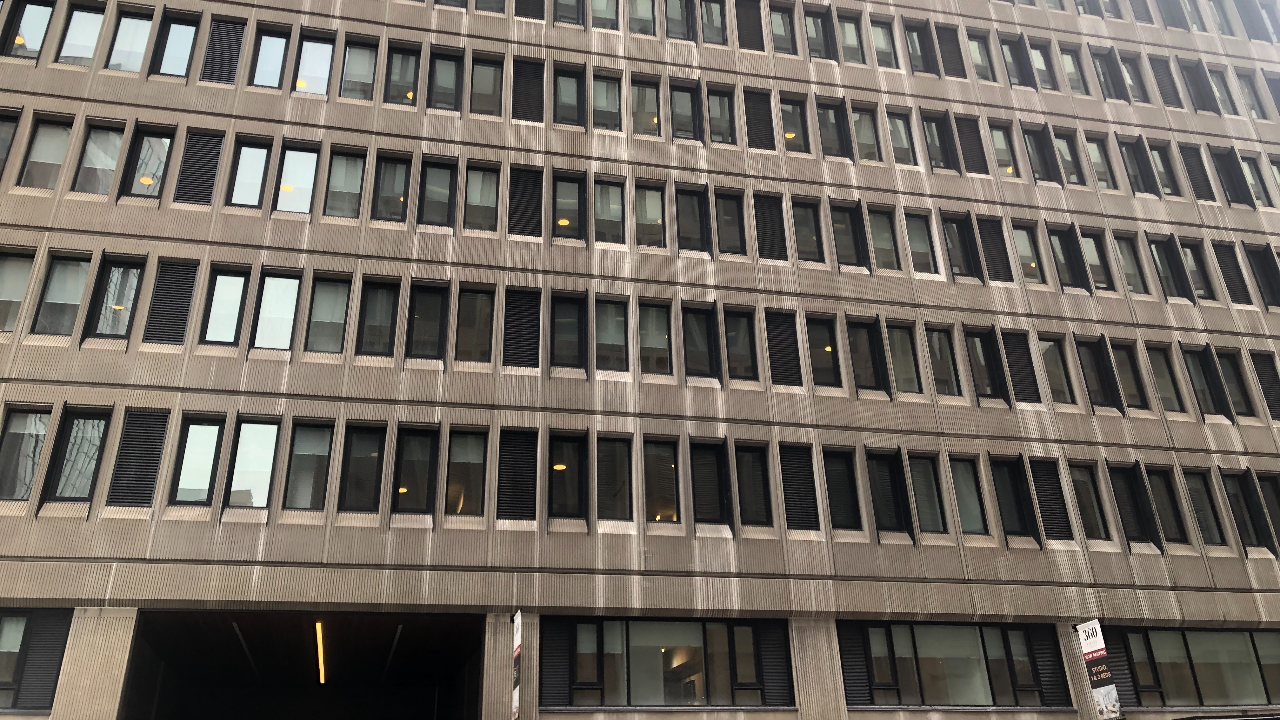
A few conversions have been launched in Somerset ward since the original pilot program began. For example, CLV Group is repurposing an 11-storey building at 360 Laurier Ave. into about 140 rental suites, while District Realty is turning an 11-storey tower at 200 Elgin St. into 122 apartments. Both projects are almost complete.
Jenn Morrison, CLV Group’s vice-president of planning and development, said any measure that saves developers money is a win for the industry and ultimately for residents who have more choice of housing.
“It’s not one thing that’s going to move the needle,” Morrison said. “It’s multiple things that help to get developments off the ground.”
The parkland fee reduction for conversions is part of a range of solutions from the city aimed at bringing new life to Ottawa’s downtown core, which was hit hard when office towers hollowed out during the pandemic and is still struggling to gain momentum.
But Troster sees reason for optimism. Citing new housing developments such as 200 Elgin and Taggart Group’s condo project at the corner of Bank and James streets as well as the addition of amenities like the Food Basics store near the Lyon LRT station, she said efforts to attract more residents to the city centre are bearing fruit.
“All of those are positive signs,” she said. “We’re not out of the woods yet, but certainly (there is) reason for optimism and reason to keep going.”
However, the councillor conceded more needs to be done to revitalize Ottawa’s downtown.
To that end, she wants the federal government to speed up its plans to offload aging office towers to developers in a bid to kickstart more conversion projects.
Potential efforts to repurpose former government buildings – such as a proposal to turn the Jackson Building at 122 Bank St. into affordable housing for Indigenous people – remain in limbo, she noted.
“That is just taking way too long,” Troster said of the feds’ plans to divest the nine-storey building at the corner of Bank and Slater streets. “The longer those properties basically sit dark or mostly dark, the worse it is for the downtown core. In the time we’ve been waiting for (the federal government) to divest the properties, they could have been redeveloped.”
Troster said she’d also like to see developers build apartment complexes with more “amenities specifically designed to attract families.”
Once couples who rent downtown start having children and require a space with more than two bedrooms, she said, “there’s kind of nowhere else for them to go even though they want to stay in the core. That’s a problem I’d like to see tackled.”
Still, Troster said her ward is heading in the right direction.
“I think any housing is good,” she said. “Any more people downtown is good. I think we’re starting to see the positive (results) of some of those investments.”