Since ChatGPT was released to the public in November 2022, the private sector has jumped on the AI bandwagon. Charitable organizations, though cautious, are following suit.
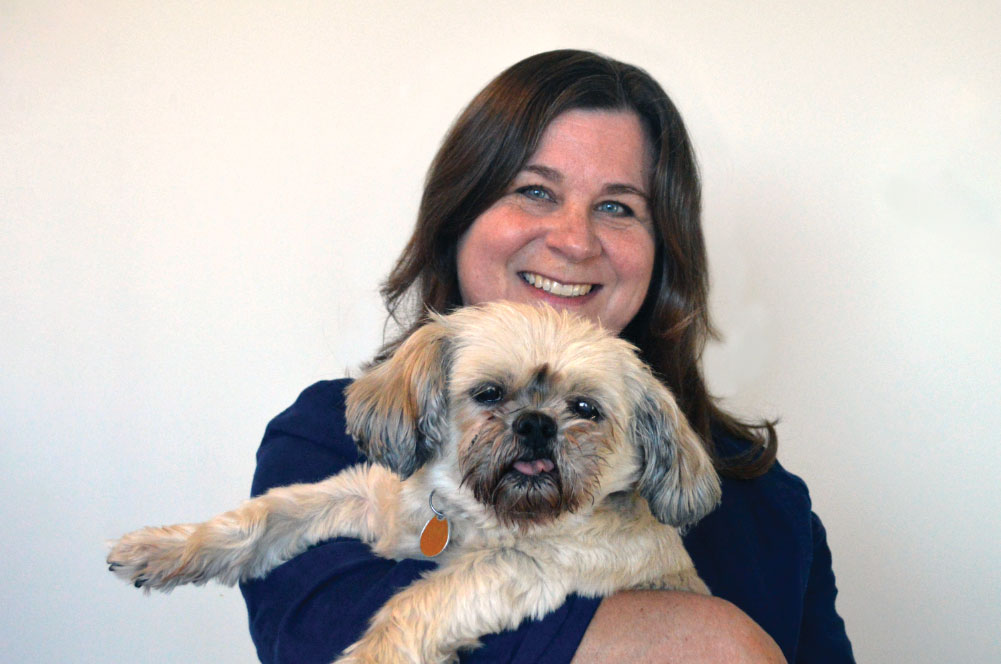
Like many charities, the Ottawa Humane Society is a busy place and, according to president and CEO Sharon Miko, its employees and volunteers are never short of jobs to do. With more than 7,000 animals passing through the doors every year, the work can feel endless. And with so many systems and regulations in place to ensure each cat, bird, dog and rabbit gets the best possible care, Miko said her team spends a lot of time searching through standard operating procedures and checking off menial tasks. That’s why, she said, the organization decided to embrace artificial intelligence. “We pretty quickly realized that using AI was going to help us find efficiencies in the work that we do,” said Miko. “We’re always looking at ways that we can help make that work more efficient so that we can do more to help these animals.”Sharon Miko, president and CEO of Ottawa Humane Society. Image suppliedLike most organizations tackling AI, Miko said the OHS had to start small. With limited understanding of the technology and no idea which programs would be best suited to it, AI was initially implemented in the most basic ways: writing and proofreading documents and emails, creating social media posts and whipping up colourful profiles for adoptable animals to post on the website. But from there, the organization became more experimental. Now, AI is helping to create operating procedures, track and analyze data, and brainstorm solutions to problems. In meetings, Miko said the team often discusses whether AI could be useful when trying something new. “It’s not replacing the work we do; it’s making it easier,” said Miko. “It’s helping us move faster. Because, let’s face it, society is moving forward at such a fast pace that, to be able to keep up, we’re going to have to work differently.”The changes have necessitated policy updates. For example, Miko said staff know not to enter any proprietary information, including donor details, into a chatbot. Another key piece is that AI users at OHS are accountable for errors. While staff can use AI to enhance a report, she said it’s also their job to ensure the AI didn’t make any mistakes. Part of that responsibility also falls on leadership. “We needed to make sure our teams were trained on that and understood those limitations. It’s making them understand and being clear that any information they got from AI needed to be verified,” Miko said. “(But) while they still need to validate that information, it gives them such a fast starting point. They were able to find information so much more quickly.”While OHS will continue to look for ways to implement AI, Miko said one thing is clear: AI doesn’t work without the human touch. “Our philosophy is that AI is not going to replace people; it will replace tasks,” she said. “It will make workflows easier, it will help people do a better job at what they do best. We want to use AI as a tool to empower our team to do even more for the animals. We can’t be a humane society without humans.”
AI provides relief after tough years
Since ChatGPT was released to the public in November 2022, the private sector has jumped on the AI bandwagon. In its fifth annual report on small and medium-sized businesses, Microsoft found that the majority of Canadian organizations surveyed had embraced the technology, with 71 per cent actively using it in their operations. The report also found that 75 per cent planned to increase investment in AI and 63 per cent were prioritizing generative AI. Charitable organizations, though cautious, are following suit. In a 2025 survey by the Charity Insights Canada Project (CICP), 37 per cent of respondents said they used AI for grant and proposal writing, 35 per cent used it for marketing and social media management, and 17 per cent used AI tools for donor engagement and relationship management. “The non-profit sector is really embracing AI and I’ve seen such a big shift in the last year or 18 months,” said Ottawa fundraising strategist Sam Laprade. “Many people who were thinking AI wasn’t for the non-profit world are embracing it more and more and it’s not about replacing people, it’s about efficiency.”Since the onset of the COVID-19 pandemic, Laprade said charities have been feeling the pinch. Many lost donors as Canadians cut back on spending, while also dealing with increased operating costs. The tariff situation, Laprade said, complicated finances and sponsorships became increasingly scarce.Ottawa fundraising strategist Sam Laprade. Image suppliedFor charities, the stakes are high, she said. If an organization can’t keep up with costs, hundreds of people can be left without food, housing or other essential services. With those pressures in mind, Laprade said she isn’t surprised to see an uptick in AI adoption within the sector. “Five years ago, I would’ve been like, ‘I’m not touching AI ever.’ Now, I’m one of the ones (pushing for it),” she said. “It’s about making those jobs just a little bit easier, to be able to put some processes behind some of that data we collect. I think AI will see a big boom in the next five years.”
Ethical concerns, stretched resources
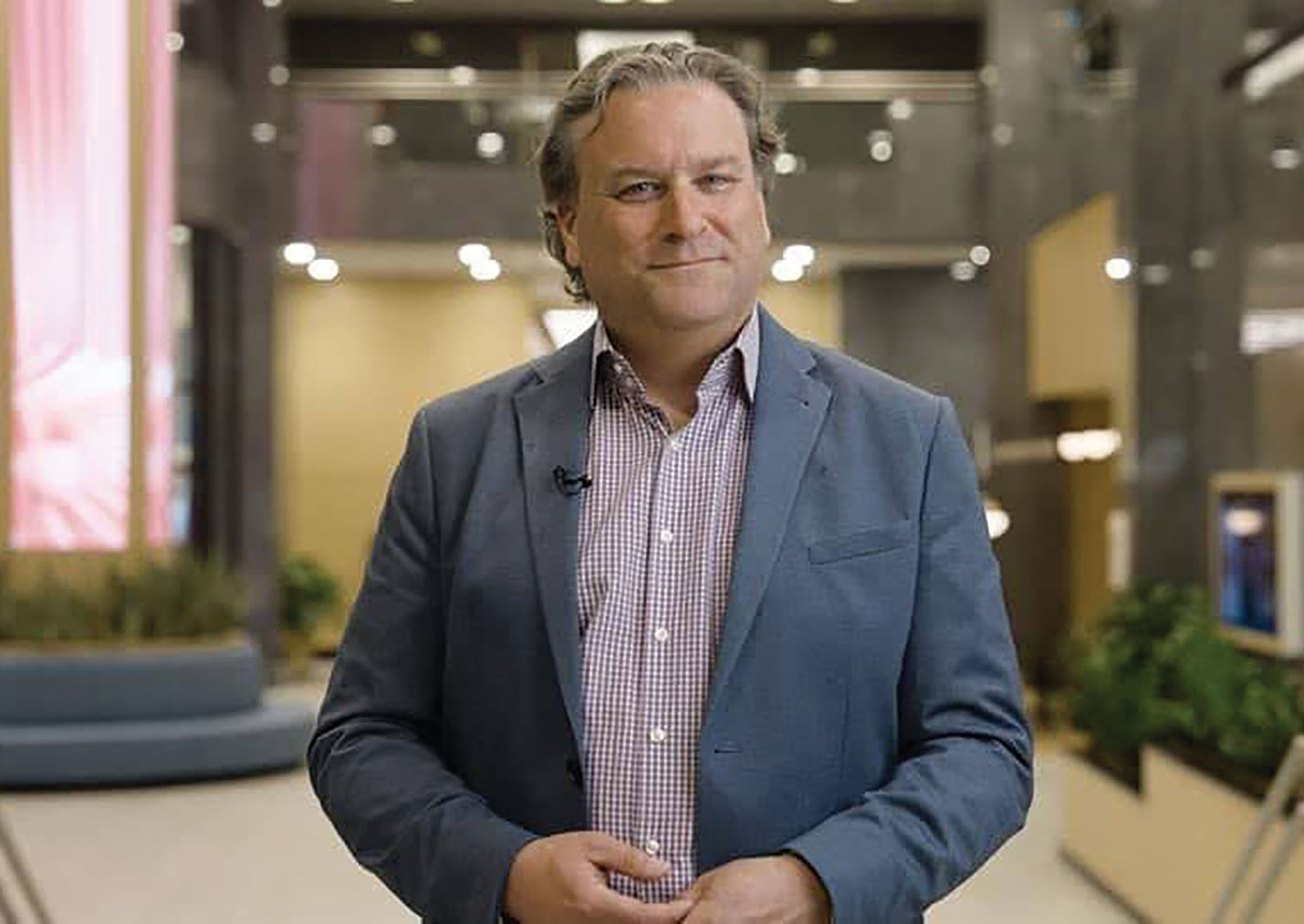
But while AI adoption is up, not all organizations are ready to take the leap. According to the CICP report, 35 per cent of respondents had not experimented with any AI tools. While most respondents held either a neutral or positive view of the potential of AI, more than half remained concerned about privacy and data security issues, as well as ethical concerns around AI’s decision-making and biases. The Shepherds of Good Hope Foundation is one organization that doesn’t have AI on its priority list, according to its CEO David Gourlay. “In terms of our daily use of it, we’re obviously using it when it comes to very basic, basic, basic AI,” he said. ‘It’s helping us to prospect our research and craft narratives and stories. But we are also very focused on being totally authentic and ethical.”David Gourlay, CEO of Shepherds of Good Hope. Image suppliedIn the charitable world, Gourlay said, data is abundant and needs to be protected. While his organization “wants to be very courageous about AI,” it also needs to be cautious. Mishandling donor data and breaching donor privacy, he said, are top concerns when it comes to implementing AI. So far, his organization has been trying tools that are integrated into the systems it already uses, such as Microsoft’s Copilot, which can perform simple tasks with the click of a button. But in terms of digging deeper, Gourlay said, “We’re not there yet.”“We have not had those conversations internally in terms of the back-end operational efficiency. We certainly see the potential of it. We certainly see a world where we will invest some time, potentially some resources, into it. But at this point in time, I want to build a foundation that is in the community, day in and day out, and there’s no replicating that (with AI).”At an organizational level, there are several barriers that make it difficult for some charities to pursue AI, according to Bronwen Dearlove, president of the Ottawa chapter of the Association of Fundraising Professionals (AFP). “(Barriers) include things like skills shortages, lack of awareness around AI, and time and financial constraints,” she said. “Charities often work on a shoestring budget, particularly smaller charities. We have to defend every dollar we spend. So a lot of us are using free versions of software or none at all.”From her perspective at AFP, Dearlove said ethical concerns have been particularly prevalent, with charitable organizations striving to maintain “ethical fundraising practices” while protecting donor data. She said concerns have also been raised about bias. To help charities navigate the uncertainty, AFP has been offering workshops and training sessions aimed at organizations that might not have the expertise or resources to do the work themselves. “We’re seeing more and more demand for training around AI,” she said. “Our last one-day conference had multiple sessions about using AI. Many of the proposals that came to us to present that day (came from) a large component of people ready to share their skills about using AI effectively in the charitable world. What I have seen most prominently are those questions about ethics, about policies, templates and samples. (Charities are) looking to AFP to see what pitfalls they might not be aware of yet.”
A reason is needed to make a commitment
Despite concerns, people across all age groups are eager to learn more about how they can use AI, according to Emily Jones Joanisse, who works with older adults as president and CEO of digital literacy non-profit Connected Canadians.“We’ve definitely had a lot of interest just from the general public,” said Jones Joanisse. “(Connected Canadians) ran a huge workshop on learning how to navigate ChatGPT and everyone was so engaged and interested to understand how they can use it in their lives. You can tell there’s a huge appetite and you don’t have to be in the workplace to harness it.”In her experience, AI has become popular for speeding up lengthy tasks such as writing grant applications and proposals. It also has become the tool of choice for English learners, especially new immigrants, who she said can become more comfortable and confident when using AI to help them communicate. But AI isn’t perfect, she added. “As an organization that prides itself on human connection, that robotic feel really stands out,” she said. “It’s just the sort of situation where you want folks to be aware.”Emily Jones Joanisse, president and CEO of Connected CanadiansJones Joanisse also works as an assistant professor at Carleton University’s Sprott School of Business, where she is director of the Sprott Social Impact Hub, which teaches students to apply business skills to the charitable sector. Instead of resisting the use of AI by students, Jones Joanisse said she expects students to learn and adapt to it. The knowledge students gain from that work, she said, can then be passed on to their employers, including charities and non-profits. “It’s like I’m giving them an intern, so I expect more of them, both in my experiential classes and in my classroom classes,” she said. “Five years ago, you didn’t have this tool and so you had less time to be able to get this done. So I expect you to be using this appropriately and if you’re not, you’re at a major disadvantage.”Yacouba Traoré, executive director of the Carlington Community Health Centre, said he’s been blown away by the speed and quality of AI to date, but realizes that keeping up with the pace of change would be a challenge for the charitable sector. Alongside Daniel Livvarcin, he co-wrote Understanding and Using AI: A Resource for Nonprofit Leaders. “(AI) could be a tool that could really help them close the resource gap and elevate the game,” he said. “I saw that we could not miss the boat as a sector on this. If we do, we are missing out on something that is really transformative for the sector.”For smaller organizations in particular, Traoré said AI can perform tasks they can’t afford to pay for otherwise, such as bookkeeping, risk management and governance tasks. But not all organizations are well-positioned to implement a new technology, he said. “We have to be careful, because people are already overwhelmed in the non-profit sector,” he said. “AI should be used not to add more to the plate, but to free up time so people can focus more on value-added work.”So, where does an organization start? Traoré said there are a number of factors to consider. “Why do you want to use AI?” he said. “What is the purpose of it? AI cannot just be a core tool that you take out of the box and implement wherever. You need to know, what are you trying to solve? Are you trying to free up time or give more work to you and your staff? Do you have enough quality data to use it? Start with the why. It’s a change management system. Work with the people who ultimately are going to use the AI system to understand and pinpoint their perspective. If you incorporate AI in your process, that needs training.”Considering these questions, he said, can help determine whether AI is worth pursuing beyond its basic uses. While he strongly believes that the charitable sector needs to keep pace as AI evolves, Traoré said there are reasons for caution. If he had to rewrite his book today, he said his outlook might be more subdued. “I immerse myself in AI and I am in no way an expert. But the more I learn about it, the more I am cautioning us as a society to be really intentional about AI, to understand that AI can be for good, but it can also be for bad,” he said. “It is going to be a social choice to use AI for good.”
Get our email newsletters
Get up-to-date news about the companies, people and issues that impact businesses in Ottawa and beyond.