
Canada’s path to net-zero emissions by 2050 is often framed in terms of targets and timelines. But achieving that will require something far more complex: a coordinated transformation of how energy is produced, distributed, and used across infrastructure, industry, policy and society.
At Carleton University, that transformation is taking shape not just in theory, but in practice.
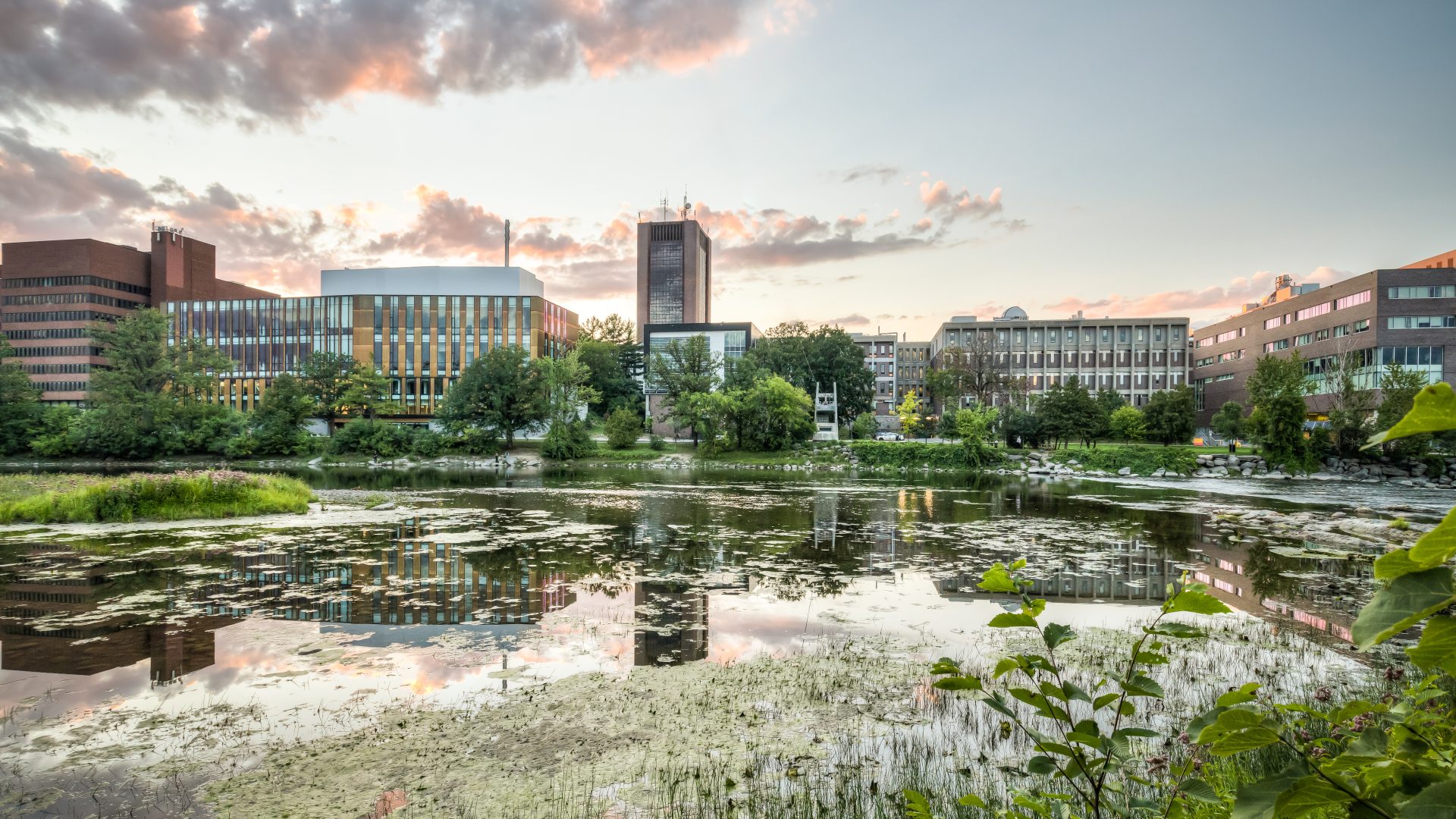
On its Ottawa campus, one of the most visible examples is a long-term effort to fundamentally rework how energy is delivered. Through its Energy Master Plan, the university is transitioning away from a centralized, gas-based steam heating system toward a low-carbon network built on electric hot water and distributed energy plants. The shift is expected to reduce campus emissions by up to 80 per cent compared to 2005 levels, while creating a more flexible system capable of integrating renewable technologies over time.
It’s a major infrastructure undertaking, but also something more: a testbed. Rather than treating sustainability as a standalone initiative, Carleton is using its own campus to explore how large, complex systems can be redesigned.
“Carleton’s campus offers a unique environment to test how these systems work together in a real-world setting,” says Vice-President (Research, Innovation and International) Rafik Goubran. “It allows us to explore not just individual technologies, but how they integrate at scale.”
From research to real-world impact
Across the university, researchers are working on different pieces of the same puzzle. Professor Reza Kholghy, Canada Research Chair in Industrial Decarbonization and head of Carleton’s Energy and Particle Technology Laboratory, is exploring technologies that could reshape how energy-intensive sectors operate, including systems that produce low-carbon fuels and materials.
“My research focuses on reducing both the carbon footprint and cost of industrial processes,” says Kholghy. “The goal is to develop technologies that industry can realistically adopt, and that are not only cleaner, but also economically viable.”
Part of that focuses on developing low-carbon processes for producing advanced materials, clean fuels, and valuable products from industrial resources and waste streams. Kholghy and his team are exploring new ways to recover materials such as iron, aluminum, titanium and critical minerals from mining waste while reducing the energy required in the process.
The group also develops advanced digital modelling and computational design tools to accelerate research and development, reduce costs, and support industrial adoption of low-carbon technologies.
At the same time, interdisciplinary teams such as Alternative Pathways for the Energy Transition (APEX) – co-led by professors Ahmed Abdulla and Canada Research Chair in Uncertainty-Informed Net-Zero Energy System Modelling Kristen Schell – are examining how entire energy systems evolve. Their work integrates engineering, economics and public policy to model pathways that are technically effective, socially feasible, and work within real-world constraints.
Connecting policy, industry and innovation
That intersection of research and application is also reflected in Efficiency Canada, a national initiative housed at Carleton’s Sustainable Energy Research Centre. Bringing together stakeholders from government, industry and the private sector, the organization focuses on how energy efficiency can support economic growth while reducing emissions.
“Universities play an important role in connecting research with the policy and industry decisions that drive change,” says Goubran. “Through initiatives like Efficiency Canada, we’re able to contribute to national conversations while supporting practical, evidence-based solutions.”
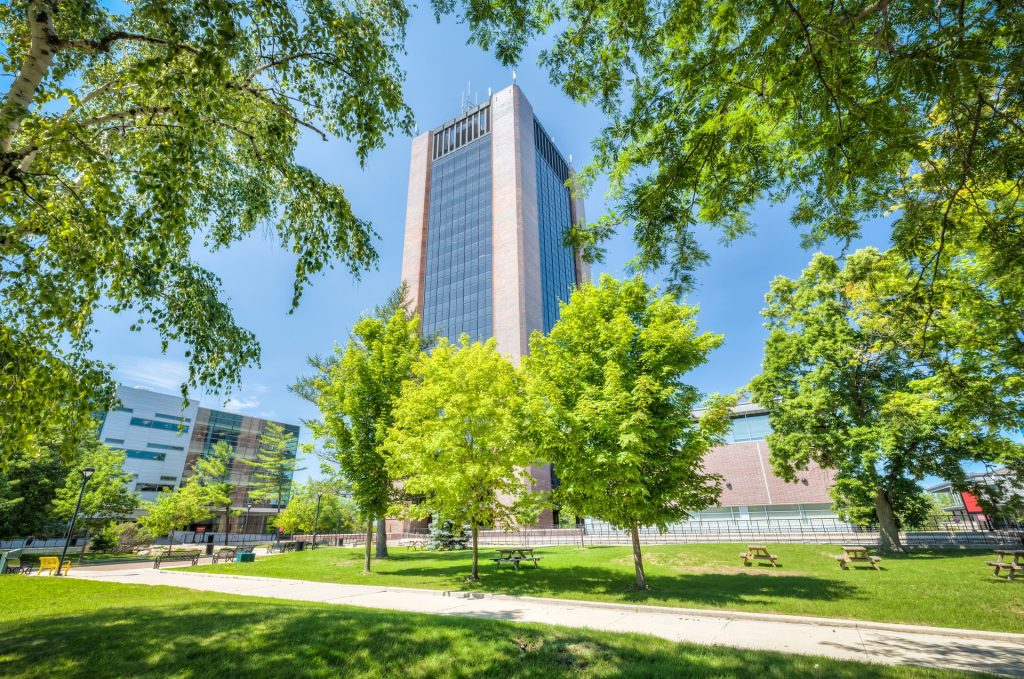
Carleton is currently the only post-secondary institution participating in the Government of Canada’s Net-Zero Challenge, a program that encourages organizations to develop credible, science-based plans for achieving net-zero emissions.
Beyond federal initiatives, the university is also engaged in a wide network of partnerships spanning academia, industry and international organizations – ensuring that research and policy work taking place in Ottawa is connected to broader national and global efforts.
Preparing the next generation
Carleton is preparing the next generation of engineers, policymakers and industry leaders who will help shape how energy systems evolve in the years ahead. Undergraduate programs such as Sustainable and Renewable Energy Engineering and graduate programs like the master of Sustainable Energy are equipping students with both technical expertise and an understanding of the broader systems driving change.
Across its campus, the university’s research, infrastructure and policy initiatives reflect a shift away from isolated solutions towards more integrated approaches to complex challenges.
For Carleton, that means treating its campus not just as a place to study the future – but as a place to build it.
For more information on Carleton University’s activities in net zero, including partnership opportunities, visit carleton.ca/research