Across the country, workplaces are changing rapidly. Greater cultural diversity and the steady rise of women into senior leadership roles are reshaping how decisions are made and how power is exercised. As new voices enter spaces once tightly controlled, long-standing dynamics that once operated quietly behind closed doors are becoming harder to ignore. What is […]
Already a Subscriber? Log in
Get Instant Access to This Article
Become an Ottawa Business Journal Insider and get immediate access to all of our Insider-only content and much more.
Across the country, workplaces are changing rapidly. Greater cultural diversity and the steady rise of women into senior leadership roles are reshaping how decisions are made and how power is exercised. As new voices enter spaces once tightly controlled, long-standing dynamics that once operated quietly behind closed doors are becoming harder to ignore.
What is being revealed is not simply disagreement or growing pains. It is the uncomfortable reality of how business has sometimes been conducted – through informal power structures, silence and behaviours that undermine those who challenge the status quo.
Workplace culture is no longer a soft issue delegated to HR departments. It is a business priority, a financial risk and a moral responsibility.
The economic cost alone should demand attention. Workplace harassment and bullying drain roughly $19 billion from the Canadian economy each year through absenteeism and lost productivity. Over five years, toxic cultures in the United States have driven US$223 billion in employee turnover costs. Add burnout to the mix and the financial impact escalates quickly: a typical Canadian organization with 500 employees can lose more than $3.4 million annually in productivity.
These are not abstract figures. They represent real losses that damage both the bottom line and the well-being of employees.
Abusive workplace behaviour takes many forms, including yelling, gossiping, name-calling, undermining, isolation, silencing, sabotaging, and the deliberate destruction of professional relationships.
One of the most destructive and least understood forms of this behaviour is mobbing.
I first encountered the term while reviewing a respectful workplace policy during research for my latest book. If it appeared in policy language, it was clearly a persistent problem serious enough to warrant formal recognition.
Mobbing is a form of psychological abuse that operates largely in the shadows. It occurs when someone in a position of authority manipulates others in a coordinated effort to isolate, discredit or collectively target a single individual, often someone perceived as a threat to the leader’s power or ego.
Targets rarely see it coming. They are often lulled into a false sense of trust by the authority figure and believe they are valued for their contributions.
The process tends to unfold gradually. When the target begins asking questions that challenge the status quo, often believing they are helping improve outcomes, they suddenly find themselves excluded from meetings and conversations. Within a short time, they may be ostracized and isolated by colleagues, frequently without explanation.
The final step is erasure.
The perceived threat must be eliminated entirely. Some abusers attempt to appropriate the target’s ideas. Others bury the work altogether, allowing both the ideas and the individual behind them to fade quietly from view until the concepts can be revived later under a different banner.
Mobbing is an abuse of power, and it is increasingly being recognized and called out.
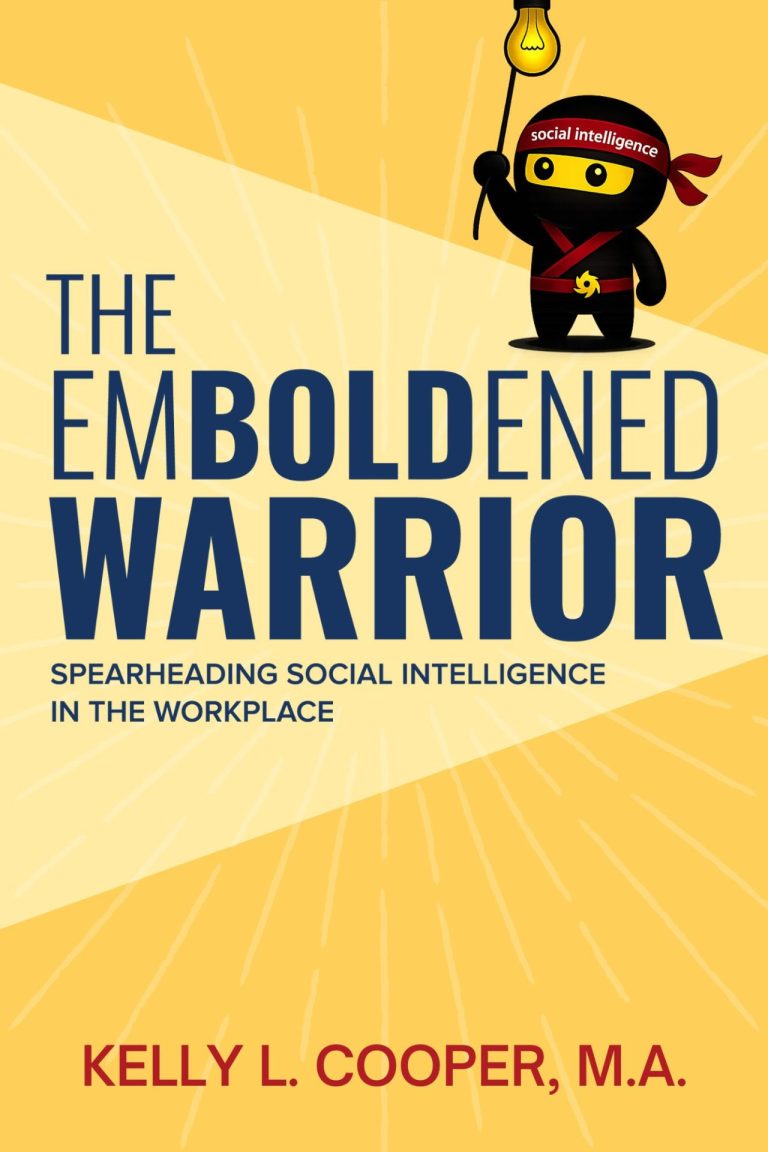
Kelly Cooper is the founder and president of the Centre for Social Intelligence and is based in Ottawa. She has written two books: Lead the Change – The Competitive Advantage of Gender Diversity & Inclusion (2020), and The Emboldened Warrior – Spearheading Social Intelligence in the Workplace, which will launch May 21 at the Heart & Crown on Preston Street.