A corner office in the old IBM building on Riverside Drive used to be a music room, with a drum kit and guitars for employees to jam on their breaks. Today, the room is empty. But not for long. Soon it will house an artificial intelligence server rack, a unit that draws more power than […]
Already a Subscriber? Log in
Get Instant Access to This Article
Become an Ottawa Business Journal Insider and get immediate access to all of our Insider-only content and much more.
A corner office in the old IBM building on Riverside Drive used to be a music room, with a drum kit and guitars for employees to jam on their breaks. Today, the room is empty. But not for long. Soon it will house an artificial intelligence server rack, a unit that draws more power than 100 homes.
Welcome to PureColo’s latest data centre. The Ottawa company, recently acquired by Vancouver-based Carrier Connect, leased the space at 3755 Riverside Dr. after IBM left, and is in the process of converting it into co-location data centre space. Co-founder Mike Lalonde recently gave me a tour. Half of it looks exactly as you would expect: clean and climate-controlled, with rooms lined with humming server racks behind heavy security doors. The other half resembles an abandoned office.
Which is perfectly in line with PureColo’s mission. The company’s business model is built on finding what Lalonde calls “little pieces of gold in the dust.” In this case, it means the company seeks existing industrial and commercial properties with the infrastructure needed to accommodate large amounts of power, just like the IBM building.
Access to the facility is tightly controlled, and so Lalonde meets me in the lobby. The elevators won’t stop on PureColo’s floors without a keycard, and beyond the elevator is a series of security doors requiring fingerprints and swipe cards.
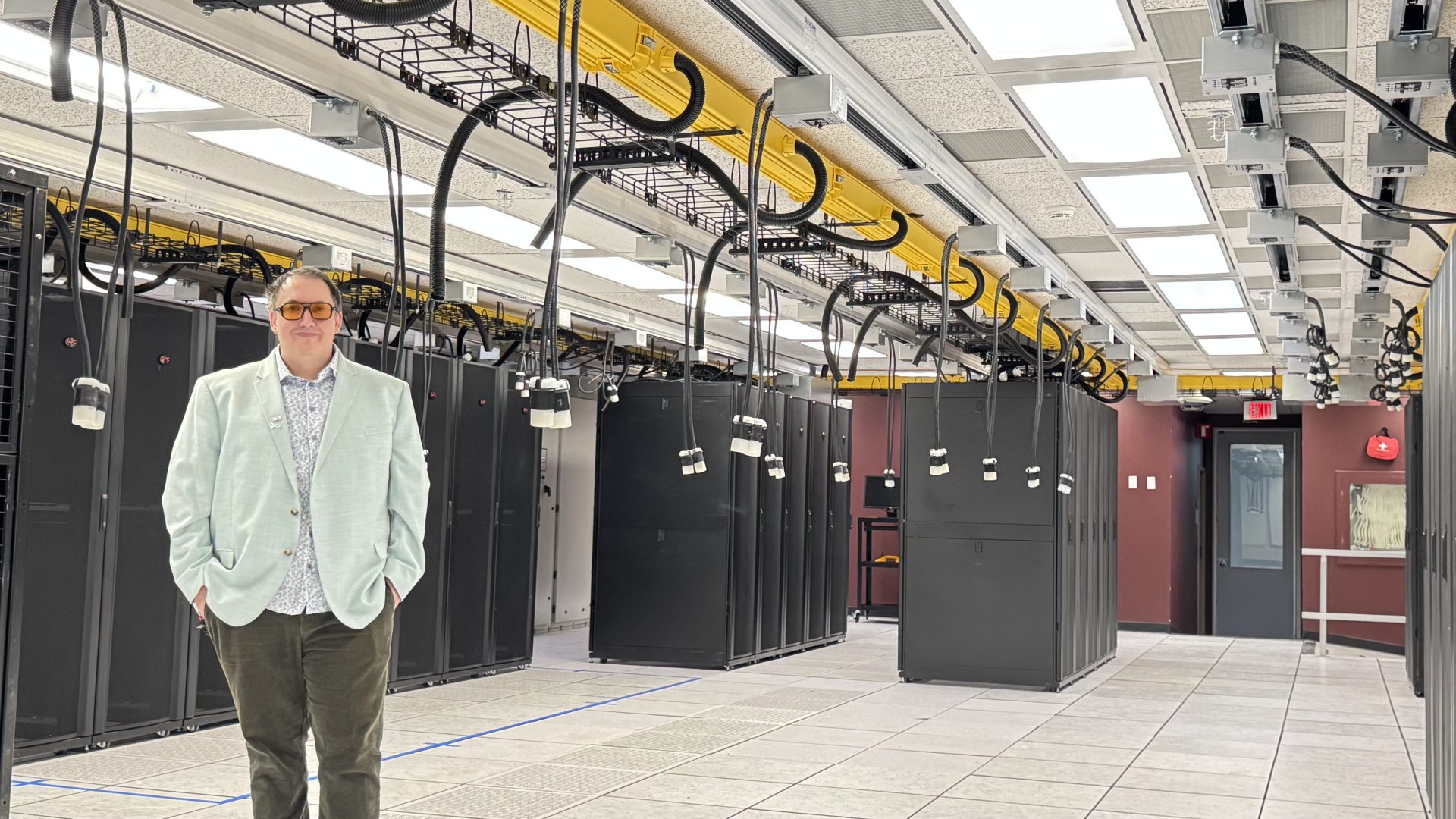
Once through the main doors, we’re in the active server room. It’s clean and bright and well-organized, with great cable management. There’s a low hum, but otherwise it is quiet and comfortably cool. Lalonde explains the floors are hollow. He lifts one of the floor tiles, which weigh 20 pounds apiece, to reveal an under-floor cooling system. He explains how air-conditioned cold air flows up through the floor, while vents in the ceiling suck up the rising hot air, helping keep the servers cool.
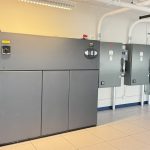
Cooling is a challenge, he acknowledges, and each room requires a custom HVAC job. Lalonde explains that, in this room alone, a single rack can draw up to 15 kilowatts an hour of electricity. He compares that to the average detached home, which draws around one kilowatt.
Up next is the former music room, now destined to house an AI server rack. Just one of the racks can draw up to 150 kilowatts and weighs far more than a conventional unit. They require slab floors for structural support and liquid cooling systems that pipe water directly over the processors at precisely controlled temperatures. The former music room is the perfect spot for this deployment, Lalonde says.
“You’re actually injecting liquid directly into the chip and then taking it out right away,” he explains. “You’re cycling liquid in an extremely precise temperature between 19 to 22 degrees Celsius. When you get to that realm, it becomes highly complicated to manage.”
Down the hall, we enter a spacious, empty room clearly set up to house rows of server racks. Lalonde points out the custom-designed HVAC system and mentions that a large, well-known client will be moving into the space. He doesn’t specify the client, but promises an announcement will be made soon.
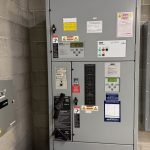
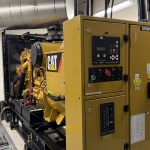
In the basement, we find two enormous generators and racks of boxy battery packs. In the event of a power failure, the batteries engage immediately to keep the servers running, while the generators spool up to full capacity. The result is zero interruption.
The rest of the facility is in sharp contrast to the clean, buzzing server rooms with custom HVAC systems. It’s all old carpeted hallways, empty offices where I can still smell the cubicles, and obvious signs of renovations in progress, with cables and ladders and spotlighting here and there.
PureColo operates as a co-location provider, meaning clients bring their own servers, set up their own racks and manage their own firewalls. PureColo provides the physical space, the power, the cooling and the security. The Riverside facility is being expanded as new clients move in, with old offices getting converted into shiny server rooms as needed.
“Tom Cruise, Mission Impossible,” Lalonde says with a grin. “You can build the biggest, most secure room with as many sharks with lasers on their heads as you possibly can. At the end of the day, you have to look at what your data is and say, what is the effort somebody’s willing to put in to steal that? And then build your envelope accordingly.”
The company’s client list includes Kinaxis, Cloudflare, Wind River and Dell. Lalonde says PureColo prices its services 30 to 40 per cent below what hyperscaler providers charge, a margin made possible by the lower capital costs of repurposing existing buildings.
“The average capital expenditure to build one megawatt of capacity for a new greenfield data centre is anywhere from $10 million to $50 million,” he says. “We’re doing it for $1 million on average for a megawatt.”
Lalonde frames the approach as environmentally sound and says thinking green is at the core of PureColo’s identity.
“You can go greenfield, but how green is that, really?” he says. “You’re digging up more minerals from the planet. You’re cutting down forest to build. You’re building new things and maybe you’re getting an efficiency change of a percentage point or two.
“Versus you take something that’s already here, that’s working well, that you can fix and polish up and put back into service and service a real need at a fraction of the cost, without cutting any trees or digging up minerals.”
The Riverside Drive facility, like PureColo’s original location on a former Mitel campus that once manufactured ceramic components for desktop phones, already had the two things a data centre needs most: large capacity power connections and fibre connectivity. Both were installed decades ago for entirely different purposes. So even though IBM is gone and the music room no longer has a drum kit, the space continues to serve a purpose.
-
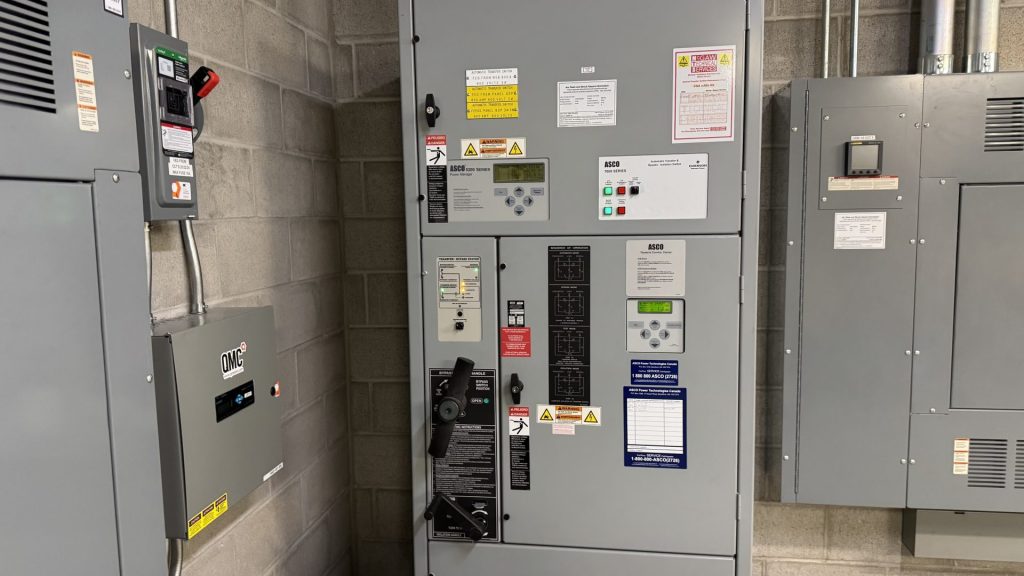 Photo by Nathan Drescher.
 -
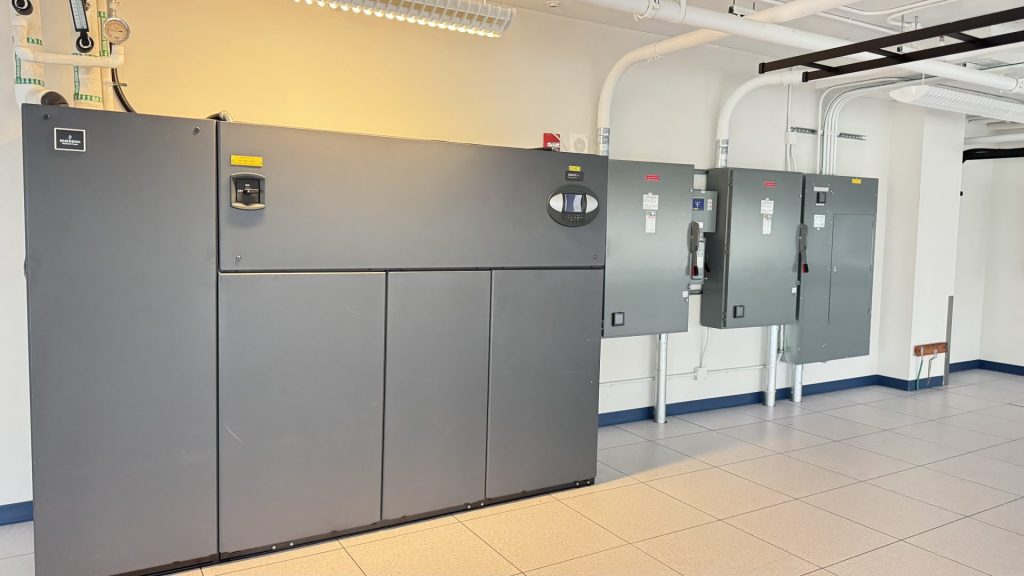 Photo by Nathan Drescher.
 -
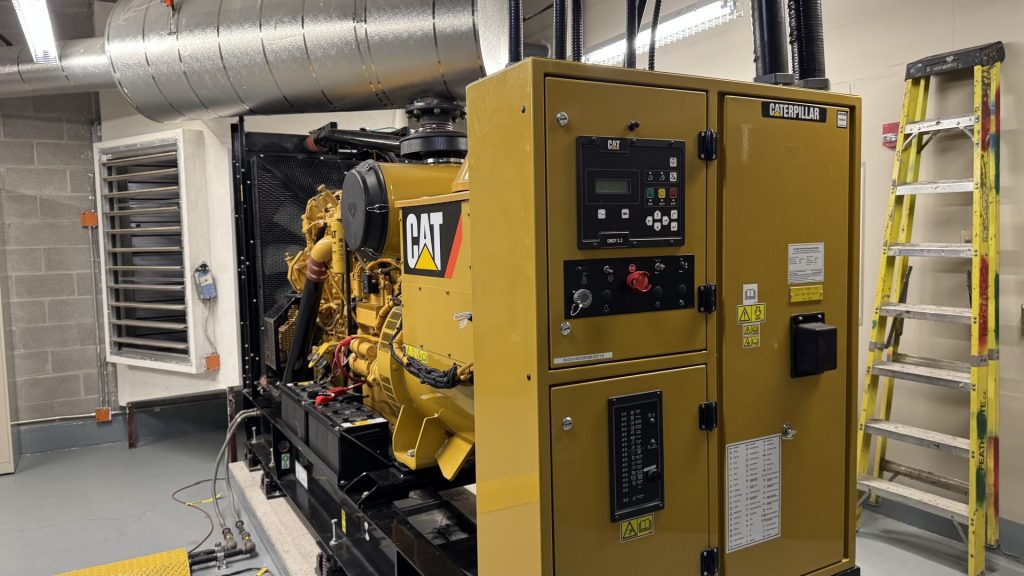 Photo by Nathan Drescher.
 -
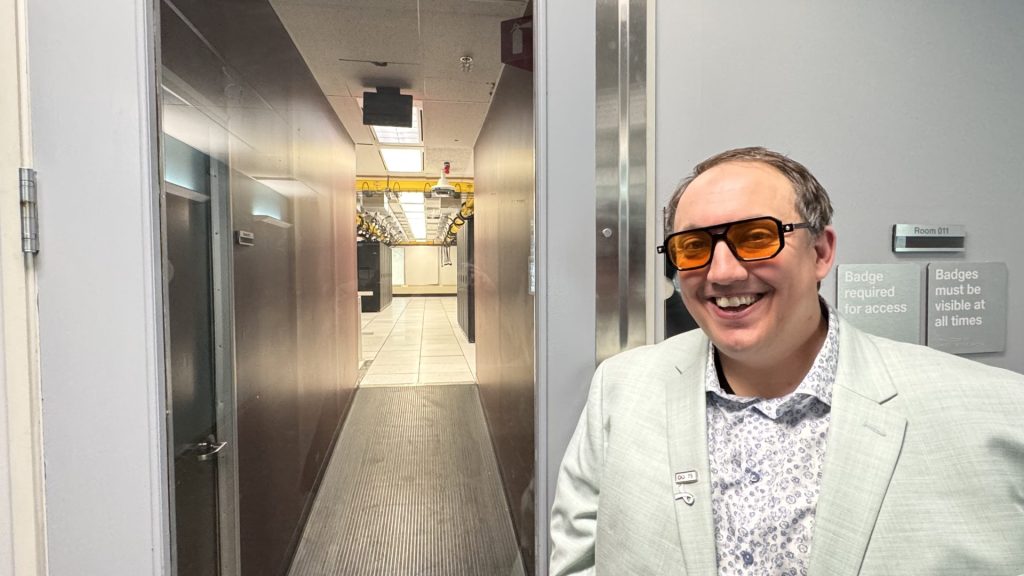 Photo by Nathan Drescher.
 -
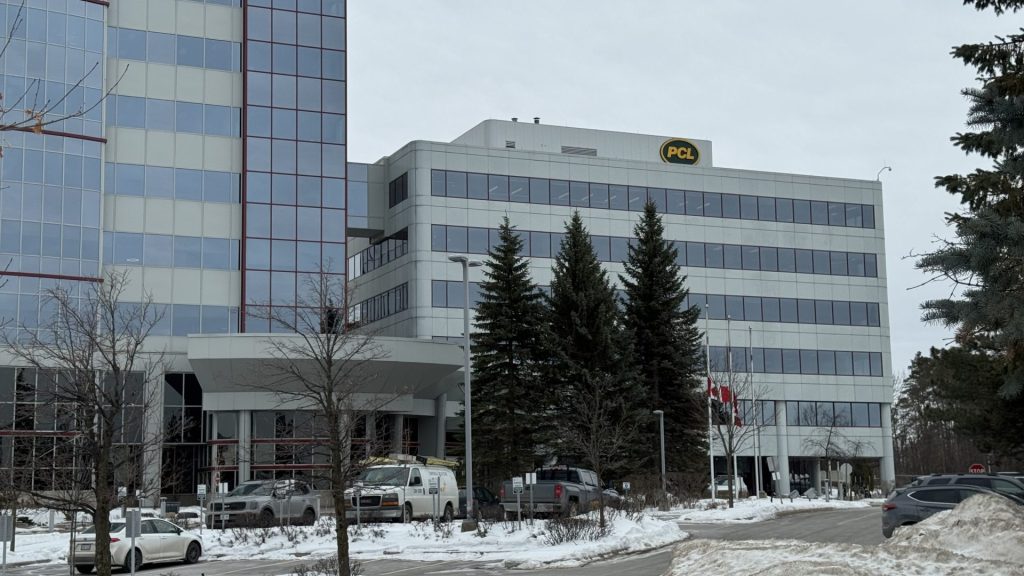 Photo by Nathan Drescher.
 -
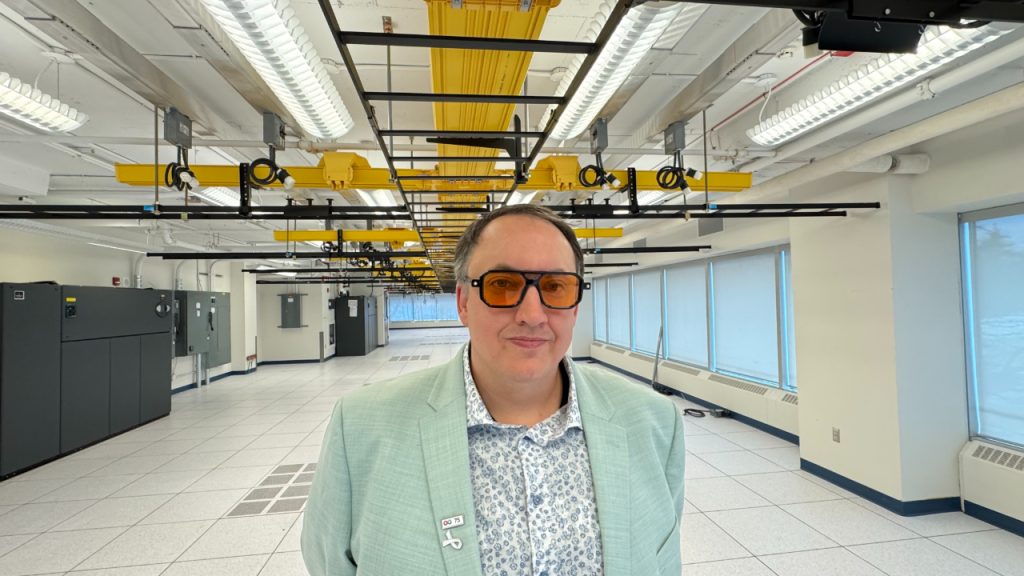 Mike Lalonde, co-founder of PureColo, at the company's data centre on Riverside Drive. Photo by Nathan Drescher.