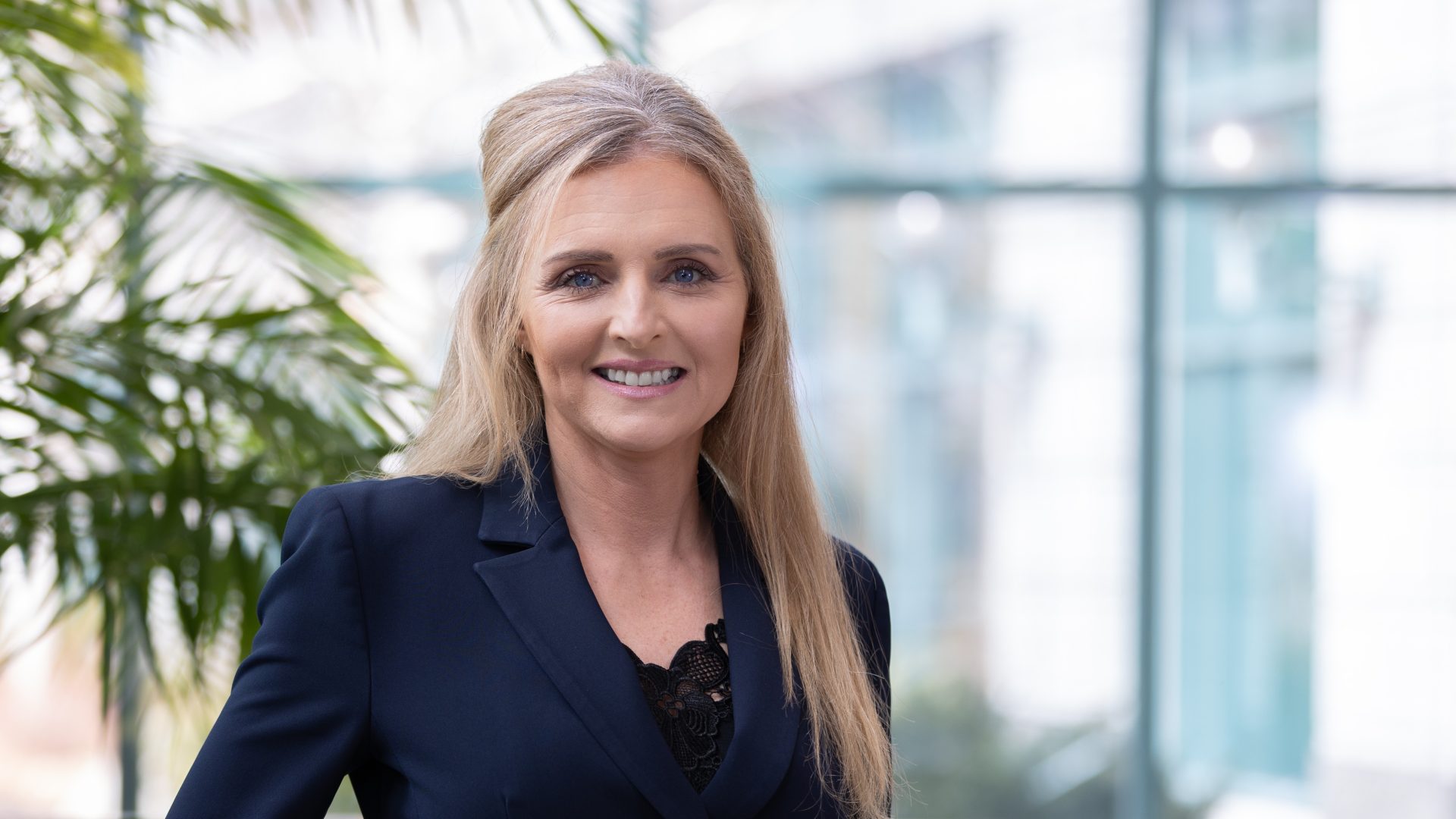
The hospitality industry has changed since Annie Corriveau first joined the Brookstreet Hotel in Kanata 20 years ago and human resources has had to change right along with it.
Now the vice-president of HR at Brookstreet, Corriveau said that, in a guest-facing industry, employee or “partner” well-being, in addition to diversity, equity and inclusion have become central to her role.
With a new generation graduating post-COVID and an influx of new Canadians learning English, training that focuses on soft skills like communication is increasingly important, she said.
Plus, she recognizes her own 20-year stint at Brookstreet as more of an anomaly than ever.
Corriveau sat down with OBJ to look back on her career at Brookstreet, the challenges of people management and how to help employees thrive in an ever-changing hospitality landscape.
This transcript has been edited for length and clarity.
Tell me about joining Brookstreet and how you got to where you are today.
AC: I was always in the hospitality industry. I started at age 17 and did a hospitality (diploma) in North Bay, Ont. I was there for three years, then did my bachelor in hospitality administration in Manchester, N.H. After that, I got to work pretty much anywhere in Canada and spent a summer in Alberta in housekeeping and another in New Brunswick, so, Fairmont properties. Then I spent time in the U.S. working for the Westin Hotel guest services. When 9/11 happened, I was at the Delta Hotel on Queen Street (in Ottawa), working the front desk. I joined Brookstreet in 2004 for a few months, then left for the Hilton Lac Leamy, before coming back (to Brookstreet) the next year in housekeeping.
Most of my background was in housekeeping, so I started in a supervisory role and moved up to management. There was a moment where I was like, how do I get better at my job? I had been there for a few years. You need to be a cheerleader and you need to know about health and safety, accounting inventory and how to pump up your team. So I decided to go back to school, Algonquin College, for human resources.
Initially, I was truly like, I need more skills to get better in my role as housekeeping manager. But there was a human resources manager at this time and, I did not know, but she was slowly grooming me to take over for her. I wasn’t really aware of it, it was all naturally happening. And one day, she announced she was leaving and I was crying. But she said, you should apply for the role. I was like no, I cannot be you, I don’t have the skillset. But I did. I moved to human resources and I finished my courses. I grew from there to where I am today and the company grew too.
What did you learn from housekeeping that you brought with you to HR?
AC: The relationship that managers have with — here we call them partners. That is beyond important. When you manage teams that are diverse, it is a skillset that you need to practise. Right now, in 2025, our teams are multi-generational, multicultural, and each individual is here in the workplace. Yes, we all come for our pay and everything, but internally, there is that little unique reason why you’re here. So as a leader of people, you lead everyone fairly but you need to have that important relationship with each of them that makes them feel special. Especially in housekeeping, it’s very important and that’s going to help you carry the operation every day. If you have that, it is truly the foundation to be able to run your operation positively. That was one thing that stayed with me. I see it now from far away — leaders who have or spend more time on building that skillset. Spending more time with each person has extra value.
What makes HR different in hospitality compared to other industries?
AC: What comes to mind is that we are customer-, guest-focused; that’s why we all have a job. And to be able to have happy, satisfied guests, our people need to be happy and satisfied. They are having the one-on-one interactions. We see it. It’s not just over the phone, it is in person. People, and I’ve seen it, they can feel it when they come to the hotel and have a positive experience. They can feel in the atmosphere that everybody loves working here.
One of the things we focus on now is engagement. The words retention and turnover, I think we’re hearing them less and less. It is there, but what we strive for is to have a workforce that is engaged. We’ve seen that when we really focus on that, there’s a change in our workforce. They want to participate. Here in HR, it’s been fun things. I’ve been here 20 years and I’ve been doing the quarterly recognition program four times a year for 20 years. And we’ve tweaked it to make it better and more engaging. And, generally, the turnout and attendance at those meetings that are not mandatory keeps rising and rising. It seems like people want to participate. We’re adapting and trying to make things so people want to come. It’s like we’re finally meeting both parties and that translates generally into how people feel in the workplace.
What are some of the things you’ve done to improve turnout and retention?
AC: In the past, we would celebrate five-, 10- and 20-year milestones for long-term service. But there are less and less employees that stay that long. Someone who stays 20 years, you’re in the minority. So as an example, one thing we’ve done is we now celebrate our partners that have been here for one year of service, just one. We make a big deal, we have a certificate and we have our leader take a photo and write a nice note that we post on LinkedIn. There was a time around COVID, and even a little bit before, where we would lose people around the one- and two-year mark. So now we highlight those yearly achievements. That’s been very well-received.
In the last year, we introduced an award for employees who have been with us for less than six months and have demonstrated our core values and gone above and beyond. We want to highlight them early. That’s been very well-received from the team and from the leaders, who really want to capture the early moments. People, they need to feel valued. And if you wait until the five-year mark, you’ll lose them.
In the last two years, we’ve also introduced diversity and inclusion training. I bring it up because it’s a training that partners have to participate in, however, they are participating with high enthusiasm and engagement. There are things that we’re adapting and adjusting based on what we’ve heard and seen. We hire many people with limited English skills and that can be very challenging and doesn’t work for all positions. So when we do training, they’re on their Google Translate and we’re doing the full session and it’s working. We need to adapt. We cannot just say no to this workforce that’s coming. They want to work, they just don’t have the language they need just yet. We have lots of great stories of our partners that have come from places like Ukraine and they’re here and you can’t just see how they’re progressing. And it’s like, wow, we’re part of it. It feels good.
What’s changed about HR in your time with the department at Brookstreet?
AC: Rules and paperwork. When you’re an independent hotel, when you open, you start with the health and safety rules and functionality rules. It takes many, many years to get to a level where everyone feels satisfied. In 2025, there is also a mix of technology. We want to have less paperwork, so we’re getting better with technology and getting better at doing things online.
We also have to look at leadership, our new leaders. When we have leadership roles open, we want to fill them internally as much as possible. We have a few new leaders that move from employees to shift leaders, which can be very challenging. There is a new skillset that needs to be explored and learned and practised and that’s been a focus for us. When people come to our door, they need some help having difficult conversations. They need help and there is demand for communications skills that need to be practised and guided.
I think this is a little the result of COVID, of not talking to anyone for many, many years. Now, they want to grow, they want to learn. That is the workforce that’s coming. They’re here and they want to be leaders. So then it’s, how do we help them? How do we guide them by giving them pieces of that skillset they can own and practise? I think there’s a lot of demand right now and it’s really top of mind.