

Michelle Groulx says it’s not difficult to spot the Ottawa neighbourhoods with their own business improvement area (BIA). That’s because, she says, BIAs are a visual and experiential representation of the essence of a neighbourhood.
“You can see a difference,” she explains, “When you have a community that’s investing in itself, that’s where you see growth and where you see momentum.”
That’s one big reason – as we enter an election year in 2026 – why the chief advocate with the Ottawa Coalition of Business Improvement Areas (OCOBIA) says her organization wants to help grow the number of BIAs in the city by five over the next four years.
What is OCOBIA?
OCOBIA was founded in 2019 and represents 18 BIAs and more than 7,000 businesses across the city, from Barrhaven and Bells Corners to Wellington West, Preston Street, Centretown, and the Heart of Orleans.
Its mission is to advocate for BIAs and their business members at each level of government, present a unified voice at City Hall, provide resources and tools to help BIAs grow, and partner with economic development agencies and other organizations to find funding and opportunities for members.
Having a unified, strong voice for main street businesses is important for such a spread-out city with numerous competing issues. Prior to OCOBIA’s founding “there were so many BIAs with varying voices coming from urban, suburban, and rural areas,” she explains, adding that it was difficult for some BIAs to get traction on various issues.
OCOBIA has helped solve that by providing common representation on shared issues across the city. Although it’s not always easy to agree on initiatives to prioritize, Groulx says several issues cut across all BIAs – including transit, crime prevention, homelessness, and their impact on businesses and employees.
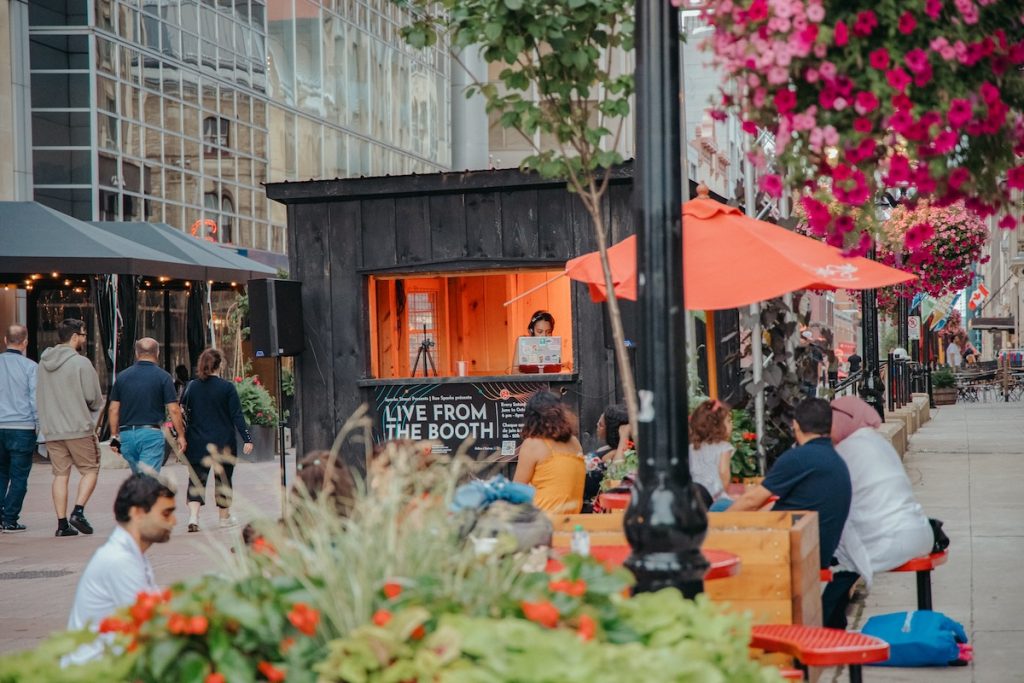
Growing the presence of local BIAs to improve local communities
Groulx says BIAs are vital for local businesses by pooling resources to enhance neighbourhood appeal, drive foot traffic, and strengthen economic competitiveness. Because they’re self-funded via levies (paid by the businesses in addition to commercial property taxes), they’re sustainable organizations that provide collective marketing, beautification, advocacy, and promotional activities that help local businesses compete more effectively.
Growing more local BIAs – which operate as local boards under the City of Ottawa through Ontario’s Municipal Act – will help provide similar benefits for underrepresented communities across the city.
While OCOBIA itself can’t expand the local BIA footprint, it provides support and advocacy for local businesses who can.
“It’s an initiative that’s completely led by a business-based steering committee,” she explains, adding that such committees must first conduct research alongside local businesses and build a solid case around forming a new BIA.
Groulx says she’s hoping the city adds at least five more BIAs by 2030, noting that current organizations are also expanding into larger districts, partially to help represent businesses not located along traditional main streets. The Bank Street BIA rebranded into Centretown BIA in 2023 and, as of 2026, has an expanded boundary throughout Ottawa Centretown, and Sparks Street BIA became the Downtown BIA in early 2025 following its expansion. Other recent expansions include Heart of Orleans BIA and Kanata Central BIA – growing their business member bases significantly.
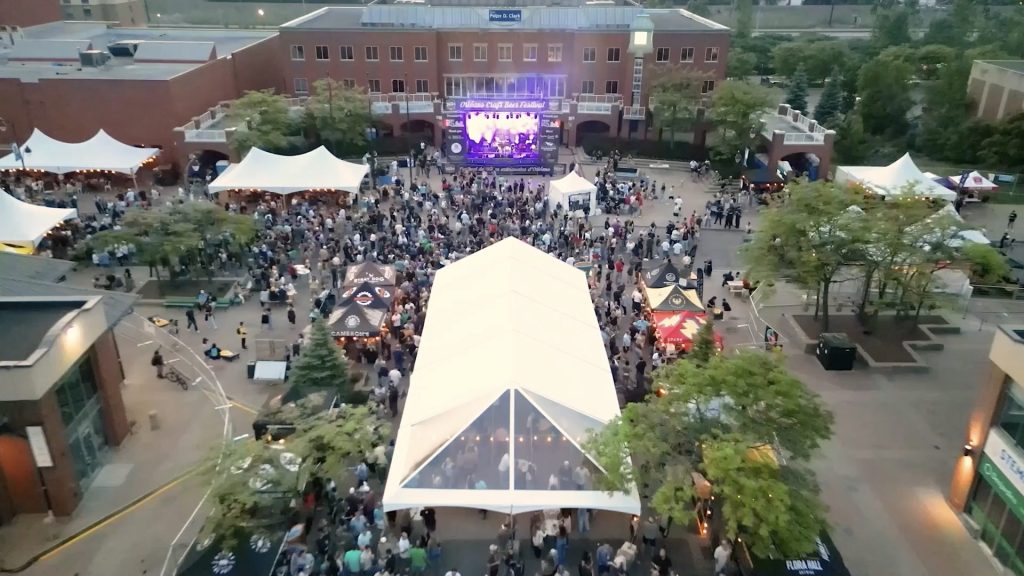
Gearing up for an election year in 2026
The election year in 2026 means plenty of community consultations for OCOBIA, which will conduct engagements with different segments of the city to gather information on what’s important for its members and what they’re looking for in the next Ottawa City Council.
Groulx says that while BIA board members – who are also up for re-election this year – are required to remain politically neutral and impartial, they’ll advocate strongly for their business members’ concerns.
“We’ll put together a list of issues, and we’ll be engaging with potential councillors and the Mayor’s Office on what we’re looking for on behalf of the businesses we represent,” Groulx says.
“We’re going to be talking about what we want from the City as the voice of businesses who are anchored here.”